Key Takeaways
- Discover the biggest rigid packaging challenges brands face today and why solving them early can directly impact product success, scalability, and long-term profitability. ‘
- Explore how rigid packaging innovation, sustainable packaging trends, and smart packaging technology are reshaping the future of product packaging development across industries.
- Learn the practical launch strategies, expert insights, and production-focused best practices that help brands avoid costly packaging mistakes before going to market.
Introduction
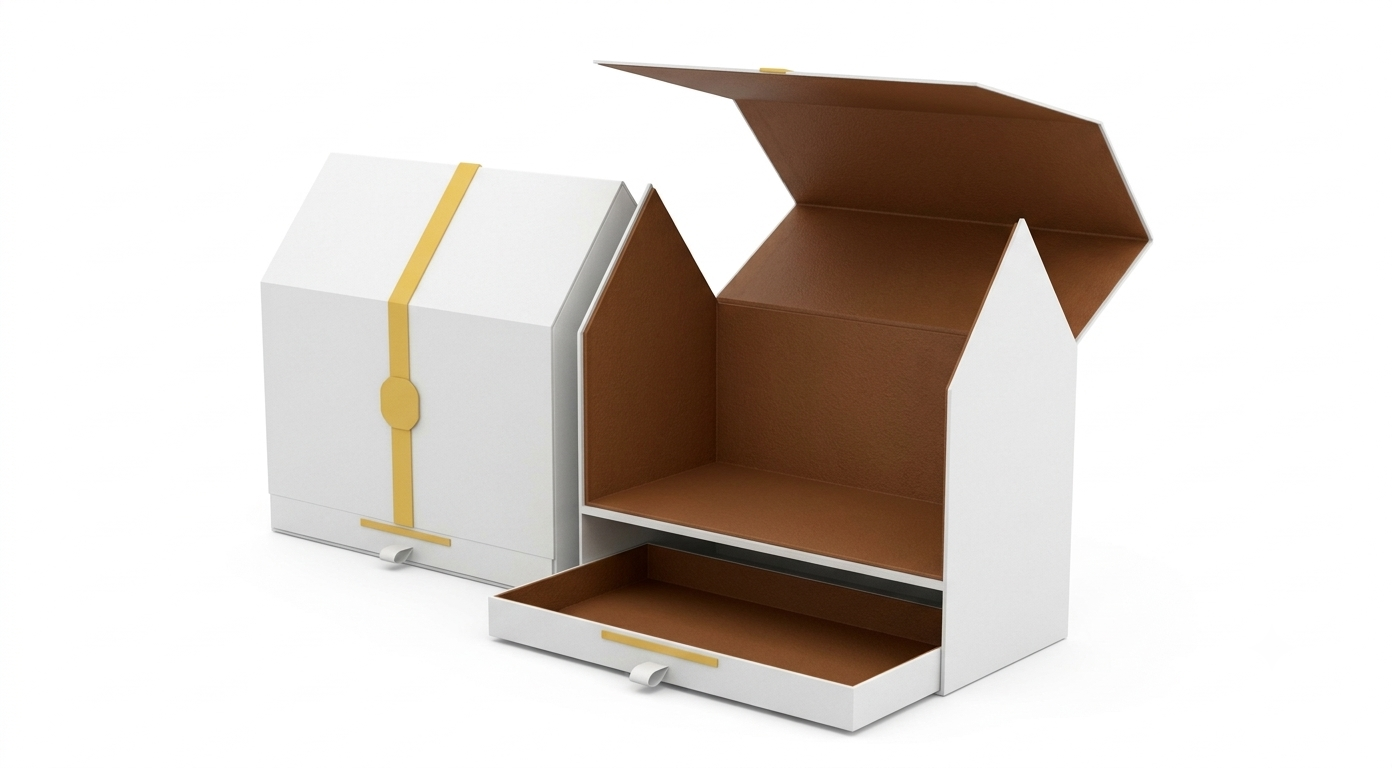
Launching a successful product today requires much more than attractive packaging. Brands must balance packaging durability, sustainability expectations, production efficiency, and customer experience while navigating increasingly complex packaging design challenges. This is why rigid packaging innovation has become a critical focus for businesses looking to create reliable, scalable, and market-ready packaging solutions.
From selecting eco-friendly packaging materials and improving packaging supply chain efficiency to optimizing the packaging manufacturing process, every decision impacts product performance, logistics, branding, and long-term operational costs. At the same time, emerging packaging trends and smart packaging technology are reshaping how brands approach product packaging development across industries.
In this blog, we’ll explore the most common rigid packaging challenges, practical launch strategies, and the essential checklist brands should follow before taking a new packaging solution to market.
Common Challenges in Rigid Packaging Innovation
While rigid packaging innovation offers significant advantages in product protection, branding, and sustainability, brands often face multiple technical and operational challenges during product packaging development. From balancing costs and sustainability goals to managing tooling complexity and changing consumer expectations, successful packaging innovation requires careful planning and strategic execution.
As markets evolve rapidly, businesses must build rigid packaging solutions that are not only visually appealing but also scalable, durable, and aligned with long-term operational efficiency.
Balancing Sustainability and Cost
One of the biggest packaging design challenges today is finding the right balance between sustainability and cost efficiency. Consumers increasingly expect environmentally responsible packaging, but eco-friendly packaging materials and recyclable rigid packaging solutions can sometimes increase production and sourcing costs.
The modern packaging industry faces a critical tug-of-war: balancing sustainability with the bottom line. While today’s consumers demand environmentally responsible options, the reality is that integrating eco-friendly materials and recyclable rigid solutions often drives up production and sourcing costs.
Brands often face trade-offs such as:
- Sustainable materials versus manufacturing affordability
- Lightweight packaging versus packaging durability
- Premium eco-designs versus packaging cost optimization goals
- Recyclability requirements versus production complexity
The challenge lies in creating packaging solutions that meet sustainability expectations without compromising product safety packaging, quality, or commercial scalability.
Managing Complex Tooling and Production
Rigid packaging production often involves highly specialized tooling and precision manufacturing processes. Complex mould designs, material behavior, and production scalability can create operational risks if not managed properly.
Common challenges include:
- High tooling investment costs
- Delays in packaging prototyping and validation
- Production defects such as warping or shrinkage
- Maintaining consistency across high-volume manufacturing
- Component stability across various environments.
Experienced technical support and plastic injection moulding services help brands improve the packaging manufacturing process while reducing production inefficiencies and long-term operational risks.
Keeping Up with Changing Consumer Expectations
Consumer expectations are changing faster than ever. Modern buyers expect packaging that combines functionality, sustainability, convenience, and strong visual appeal. This has increased pressure on brands to innovate continuously while maintaining operational efficiency.
Key expectations shaping rigid packaging innovation include:
- Sustainable process and recyclable rigid packaging
- Premium packaging branding design
- Smart packaging technology and interactive experiences
- Convenient, lightweight, and durable packaging formats
Brands that fail to adapt to evolving sustainable packaging trends risk losing customer engagement and market relevance.
Modern packaging innovation requires the same strategic thinking used in advanced exposure management frameworks. Businesses must proactively identify operational risks, production vulnerabilities, and supply chain inefficiencies early in the packaging development cycle to build more resilient and scalable packaging systems.
What Threat Exposure Management Product Leaders Should Know About EAP and AEV?
As packaging systems become more connected through smart packaging technology and digital manufacturing tools, brands must think beyond product design alone. Strong innovation strategies now include operational visibility, risk assessment, and proactive decision-making to reduce vulnerabilities across production and supply chain environments.
Best Practices for Successful Rigid Packaging Launch
Launching a rigid packaging solution successfully requires a balance of design innovation, manufacturing readiness, sustainability planning, and operational efficiency. Brands that plan strategically during the early stages of product packaging development are better positioned to avoid costly delays, reduce production risks, and create scalable packaging systems that perform reliably in the market.
The following best practices can help businesses improve launch outcomes while strengthening packaging durability, efficiency, and long-term brand value.
Collaborating Early with an Injection Mould Consultant
Bringing an injection mould consultant into the development process can significantly improve packaging quality, production efficiency, and overall project execution. Early collaboration helps brands identify design limitations, optimize tooling, and reduce manufacturing risks before production begins.
Key benefits include:
- Better packaging cost optimization through efficient mould design
- Improved packaging durability and structural consistency
- Faster packaging, prototyping and production readiness
- Reduced tooling modifications and production delays
- Consistent quality products during production.
Expert guidance also helps businesses align rigid packaging innovation with operational scalability and long-term manufacturing goals.
Prototype and Test Before Scaling
Packaging prototyping and product testing are critical steps before moving into full-scale production. Early validation helps brands identify functional issues, structural weaknesses, and production inefficiencies before they become expensive operational problems.
Testing helps evaluate:
- Product safety packaging performance
- Material strength and packaging durability
- Compatibility with filling, sealing, and transport systems
- Consumer usability and packaging branding design
- Compatibility with filling lines/assembly machines.
Thorough testing improves production confidence while reducing the risk of costly redesigns and launch failures.
Focus on Sustainability from Day One
Sustainability should be integrated into the packaging manufacturing process from the very beginning rather than added later as a corrective measure. Early sustainability planning helps brands avoid expensive redesigns and compliance challenges in the future.
Brands should prioritize:
- Eco-friendly packaging materials
- Recyclable rigid packaging structures
- Reduced material usage and packaging waste
- Sustainable packaging trends aligned with market expectations
- Ensuring least process variability to help minimize quality defects.
Building sustainability into packaging development early creates stronger long-term operational and branding advantages.
Leverage Technology for Design and Production
Advanced design and manufacturing technologies are helping brands accelerate rigid packaging innovation while improving production accuracy and efficiency. Digital tools make it easier to optimize designs, simulate production conditions, and reduce development timelines.
Common technologies include:
- CAD software for precise packaging design
- Simulation tools for stress and performance testing
- Digital production planning systems
- Smart packaging technology for enhanced functionality
These tools support faster product packaging development, improved manufacturing consistency, and better packaging supply chain efficiency across operations.
Conclusion
Rigid packaging innovation is becoming a defining factor in successful product launches and long-term brand growth. As businesses navigate evolving sustainability expectations, packaging design challenges, and changing consumer demands, the need for smarter and more scalable rigid packaging solutions continues to grow.
From packaging prototyping and smart packaging technology to recyclable rigid packaging and efficient manufacturing strategies, every stage of the packaging manufacturing process plays a critical role in product performance and market success. At the same time, experienced injection mould consultants help brands optimize tooling, improve packaging durability, reduce production risks, and accelerate time-to-market through better technical decision-making.
Brands that combine innovation, sustainability, and expert guidance are better positioned to create packaging solutions that not only protect products but also strengthen operational efficiency, customer experience, and long-term business value.
Frequently Asked Questions
What is the cost of injection moulding for packaging?What is the cost of injection moulding for packaging?
The cost of plastic injection moulding services depends on factors such as mould complexity, material selection, production volume, and packaging design requirements. Initial tooling costs may be higher, but efficient mould design and scalable production often help brands achieve long-term packaging cost optimization and improved manufacturing efficiency.
How long does it take to develop rigid packaging for a new product?
Rigid packaging development timelines can vary from a few weeks to several months depending on packaging complexity, prototyping requirements, tooling development, and testing processes. Proper packaging prototyping, material validation, and collaboration with experienced consultants can significantly reduce delays and improve overall product packaging development efficiency.
What are the common challenges in rigid packaging production?What are the common challenges in rigid packaging production?
Common packaging design challenges include material selection issues, tooling complexity, production defects, sustainability compliance, packaging durability concerns, and rising manufacturing costs. Managing packaging supply chain efficiency and balancing innovation with scalability are also major considerations during the packaging manufacturing process.
How does packaging impact product branding and sales?
Packaging strongly influences customer perception, shelf appeal, and purchasing decisions. Effective packaging branding design helps products stand out in competitive markets while improving product safety packaging, consumer trust, and overall brand recognition. Premium and innovative rigid packaging solutions can also enhance customer experience and long-term brand loyalty.
What factors should brands consider before selecting packaging solutions?
Brands should evaluate packaging durability, sustainability goals, product compatibility, logistics efficiency, manufacturing scalability, and overall packaging cost optimization. It is also important to consider recyclable rigid packaging options, consumer expectations, and production feasibility to ensure the packaging supports both operational performance and brand positioning.