Key Takeaways
- Discover how packaging automation and industrial automation are reshaping the packaging industry through smarter, faster, and more scalable production systems.
- Explore the growing role of injection mould consultants in Improving manufacturing efficiency, reducing waste, and optimizing packaging operations behind the scenes.
- Learn how AI, robotics, and advanced packaging machinery are transforming modern packaging lines and setting the stage for the future of manufacturing.
The packaging industry outlook is rapidly evolving as manufacturers face growing pressure to improve speed, sustainability, and operational efficiency. From changing consumer expectations to increasing supply chain complexity, businesses today are rethinking how packaging systems are designed, managed, and optimized.
As packaging industry trends continue shifting toward smarter production environments, companies are investing in packaging automation, advanced packaging machinery, and industrial automation technologies to improve manufacturing efficiency and reduce operational bottlenecks. At the same time, the role of injection mould consultants and system optimization experts is becoming increasingly important in helping manufacturers achieve better production consistency, cost reduction strategies, and long-term production optimisation.
In this blog, we’ll explore how automation systems, mould consulting expertise, and modern packaging components are shaping the future of the packaging industry and transforming manufacturing operations worldwide.
The Role of Automation in Modern Packaging
Automation has become a key driver of transformation across the packaging industry. As manufacturers aim to improve manufacturing efficiency, reduce operational costs, and manage increasing production demands, packaging automation is helping businesses create faster, smarter, and more reliable production environments.
Modern automation systems streamline repetitive processes, improve product consistency, and support production optimisation across packaging operations. From packaging machinery and robotic systems to AI-driven monitoring tools, automation is now central to overcoming common packaging challenges and maintaining long-term operational competitiveness.
How Automation Improves Efficiency and Reduces Costs
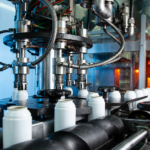
One of the biggest benefits of packaging automation systems is the ability to improve operational speed while lowering long-term production costs. Automated systems reduce manual intervention, minimize downtime, and create more stable production workflows.
For example:
- Automated filling and sealing systems can significantly increase packaging output during peak demand periods
- Smart conveyor systems help reduce material handling delays and improve supply chain optimisation
- Automated inspection systems reduce packaging defects and product wastage
These improvements help businesses implement effective cost reduction strategies while improving overall manufacturing efficiency and operational reliability.
Automation in Injection Moulding Processes
Automation is also transforming injection moulding operations by improving precision, cycle times, and production consistency. Modern moulding systems now integrate advanced monitoring tools, robotic handling, and automated quality control technologies to support smoother production processes.
An experienced injection mould consultant plays an important role in helping manufacturers optimize tooling performance, reduce defects, and align moulding operations with automated packaging workflows. Their expertise supports injection moulding process optimization by improving mould reliability, reducing production inefficiencies, and ensuring compatibility with packaging automation systems.
This combination of technical consulting and industrial automation helps manufacturers maintain better product quality while reducing operational risks and production delays.
Integration of Robotics and AI in Packaging Lines
Robotics and artificial intelligence are rapidly reshaping modern packaging lines. Manufacturers are increasingly using robotic systems and AI-powered technologies to improve production speed, flexibility, and quality control across packaging operations.
Common use cases include:
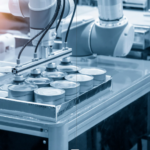
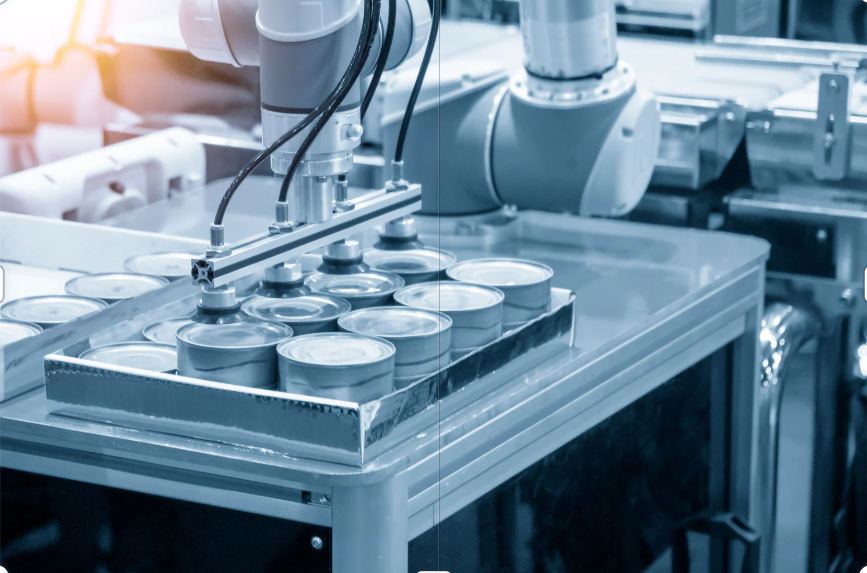
- Robotic pick-and-place systems for faster packaging
- AI-powered visual inspection systems for defect detection
- Automated palletizing and sorting operations
- Predictive maintenance systems that reduce equipment downtime
By combining robotics with industrial automation technologies, businesses can improve production optimisation, reduce manual dependency, and build more agile packaging environments that adapt quickly to changing market demands.
Why Businesses Need an Injection Mould Consultant Today
As packaging operations become more automated and technically complex, businesses need specialized expertise to maintain efficiency, consistency, and long-term production reliability. An experienced injection mould consultant helps manufacturers optimize tooling performance, reduce operational inefficiencies, and improve coordination between moulding and packaging systems.
Their expertise supports better manufacturing efficiency, lower material wastage, smoother production optimisation, and stronger ROI from packaging automation investments. In a competitive packaging industry outlook, consultants also help businesses adapt faster to evolving packaging industry trends and operational demands.
How Consultants Help Optimize Production and Reduce Waste
Injection mould consultants play a critical role in improving production performance and reducing unnecessary operational costs. Through technical audits, process analysis, and injection moulding process optimization, they help manufacturers identify inefficiencies that directly impact productivity and product quality.
Key areas of improvement include:
- Reducing material waste and defect rates
- Improving mould cycle times and output consistency
- Supporting cost reduction strategies across production lines
- Enhancing compatibility with packaging machinery and automation systems
- Improving overall manufacturing efficiency and process stability
Their expertise helps businesses create more reliable and scalable packaging operations while minimizing long-term production risks.
Choosing the Right Consultant for Packaging Automation
Selecting the right consultant is essential for achieving successful automation outcomes. Businesses should look for professionals with both technical moulding expertise and practical experience in packaging automation and industrial automation environments.
A good consultant should offer:
- Experience in injection moulding and packaging systems
- Strong process optimization and troubleshooting capabilities
- Knowledge of automation integration and packaging machinery
- Data-driven production improvement strategies
- Experience across different manufacturing and packaging industries
The right consulting partner can help businesses improve operational efficiency, reduce downtime, and maximize the long-term value of automation investments.
Quick Answer: What Threat Exposure Management Product Leaders Should Know About EAP and AEV
As industrial automation and connected packaging systems continue to grow, manufacturers are also becoming more exposed to digital and operational risks. Understanding exposure assessment and system vulnerabilities is increasingly important for businesses investing in smart manufacturing technologies and automated production environments.
Key Components of an Automated Packaging System
Modern packaging automation systems rely on multiple interconnected technologies that work together to improve manufacturing efficiency, reduce operational delays, and maintain consistent product quality. Each component plays a specific role in optimizing production workflows and supporting smoother industrial automation processes.
From material movement and quality inspection to predictive monitoring tools, these systems help businesses overcome packaging challenges while improving long-term production optimisation.
Material Handling Automation
Material handling systems are responsible for the smooth movement, storage, and transfer of products across packaging lines. These systems help reduce manual intervention and maintain continuous production flow throughout the packaging process.
Common components include:
- Conveyor systems for product transportation
- Automated storage and retrieval systems
- Robotic palletizing and sorting systems
- Smart loading and unloading equipment
By improving movement efficiency, these systems support supply chain optimisation and help businesses reduce operational bottlenecks in high-volume production environments.
Quality Control and Inspection Systems
Quality control technologies help manufacturers maintain packaging consistency and reduce product defects. Modern packaging machinery now uses advanced vision systems and automated inspection tools to monitor packaging quality in real time.
Key capabilities include:
- Defect detection through AI-powered vision systems
- Label verification and barcode inspection
- Leak testing and seal integrity checks
- Automated rejection of faulty products
These systems help improve manufacturing efficiency while reducing wastage, customer complaints, and costly product recalls.
Data Analytics and Monitoring Tools
Data analytics platforms and monitoring tools provide real-time visibility into packaging operations. These technologies help manufacturers track production performance, identify inefficiencies, and make faster operational decisions.
Modern systems support:
- Real-time production monitoring
- Predictive maintenance for packaging machinery
- Performance analytics and reporting
- Downtime tracking and operational insights
By combining analytics with packaging automation and industrial automation technologies, businesses can improve production optimisation, reduce equipment failures, and create smarter, more efficient manufacturing environments.
Benefits of Automation in the Packaging Industry
Automation is becoming one of the most important drivers of growth and operational improvement across the packaging industry. As businesses face increasing pressure to improve speed, quality, and sustainability, packaging automation helps create more efficient, scalable, and reliable production environments.
The benefits of packaging automation systems go beyond faster production. They also support better resource utilization, improved manufacturing efficiency, reduced operational risks, and stronger long-term production optimisation.
Improved Productivity and Scalability
One of the biggest advantages of packaging automation is the ability to increase production output without proportionally increasing labor or operational complexity. Automated systems allow manufacturers to manage larger production volumes with greater speed and accuracy.
For example:
- Automated packaging lines can operate continuously with minimal downtime
- Robotic handling systems significantly reduce production bottlenecks
- Smart packaging machinery improves workflow coordination across production stages
These improvements help businesses scale operations more efficiently while supporting long-term supply chain optimisation and manufacturing growth.
Cost Reduction and Waste Minimization
Automation also plays a major role in helping manufacturers control costs and reduce production waste. Precision-driven packaging systems minimize material loss, reduce errors, and improve resource utilization throughout the production cycle.
Key advantages include:
- Lower labor and operational costs
- Reduced packaging defects and product rejection rates
- Better material utilization and reduced wastage
- More energy-efficient production processes
These cost reduction strategies not only improve profitability but also support sustainability goals by reducing environmental impact and promoting more responsible manufacturing practices.
Enhanced Quality and Consistency
Maintaining consistent packaging quality is essential for customer satisfaction and brand reputation. Automated systems help manufacturers achieve greater precision and consistency across every stage of the packaging process.
Benefits include:
- Uniform packaging appearance and labeling
- Improved sealing, filling, and inspection accuracy
- Reduced human error during production
- Better compliance with quality standards and regulations
By improving product consistency and operational reliability, packaging automation helps businesses strengthen customer trust and create a stronger brand presence in competitive markets.
Conclusion: Why Automation and Expertise Are Key to Growth
As the packaging industry continues to evolve, businesses can no longer rely solely on traditional production methods to stay competitive. Rising operational pressures, changing packaging industry trends, and increasing demand for speed, quality, and sustainability are driving the need for smarter manufacturing strategies.
Packaging automation, advanced packaging machinery, and industrial automation technologies are helping manufacturers improve manufacturing efficiency, strengthen supply chain optimisation, and support long-term production optimisation. At the same time, experienced injection mould consultants play a critical role in ensuring systems, tooling, and processes work together efficiently to reduce waste, improve consistency, and maximize operational performance.
Businesses that combine automation with the right technical expertise are better positioned to overcome packaging challenges, adapt to future market demands, and build scalable, future-ready manufacturing operations.
FAQs
How is automation transforming the packaging industry?
Packaging automation is improving manufacturing efficiency by increasing production speed, reducing manual work, improving product consistency, and supporting smarter, data-driven production operations.
What does an injection mould consultant do?
An injection mould consultant helps optimize mould performance, improve production processes, reduce waste, and ensure smooth integration between moulding systems and packaging automation technologies.
How can automation reduce packaging costs?
Automation reduces packaging costs by minimizing labor dependency, reducing material waste, improving production optimisation, and lowering operational downtime across packaging lines.
What role does AI play in packaging automation?
AI supports packaging automation through predictive maintenance, quality inspection, defect detection, real-time monitoring, and smarter operational decision-making across production systems.
How to choose the right packaging automation solution?
Choosing the right packaging automation solution starts with a clear audit of your current process, defined outcomes, and a disciplined evaluation of equipment fit, integration, scalability, and total cost of ownership, not just the purchase price