Product Design and Development
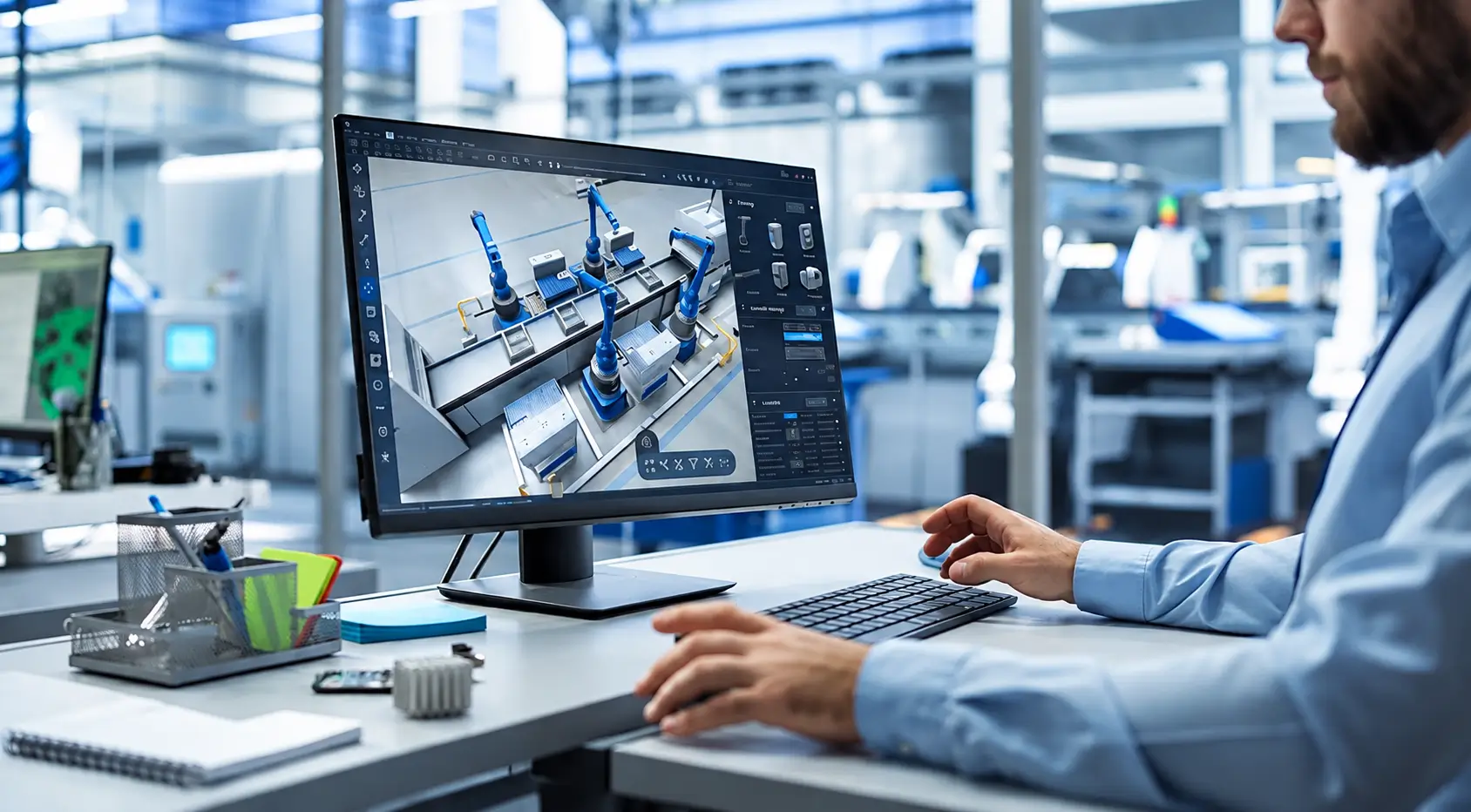
Product Design and Development Services for New Products
Turning an idea into a market-ready product takes a lot more than just developing a concept. Product design and development connects the initial idea to engineering, prototyping, testing, refinement, and production. It ensures the product is functional, manufacturable, and aligned with its intended application.
The process typically flows from, concept and product requirements to engineering design, prototype development, validation, and production readiness. Each stage help identifying design or manufacturing challenges early, reduce development risks, and establish a practical path to scale.
At Efficient Innovations, product design and development is supported through technical consulting, design and development engineering, rapid prototyping, testing, and project management capabilities, with experience spanning the lifecycle of plastic packaging products.
What Is Product Design and Development?
Finding a functional, manufacturable solution is at the core of the structured process of product design and development. While the terms are closely connected, each stage has a distinct role in moving a product from an idea towards production. Let’s take a quick look at each step.
- Product Design: Defines how the product should look, function, and interact with the user. It translates the initial concept into a clear product concept and design specification.
- Product Engineering: The design is converted into a technically viable product by addressing materials, dimensions, tolerances, components, performance, and manufacturability.
- Product Development: Brings design and engineering together through prototyping, testing, design refinement, and validation to develop a product that meets its intended requirements.
- Manufacturing Readiness: Ensures the validated product can be produced consistently at the required scale. This includes considerations such as tooling, production processes, quality requirements, equipment, and supplier capabilities.
Our Product Design and Development Process
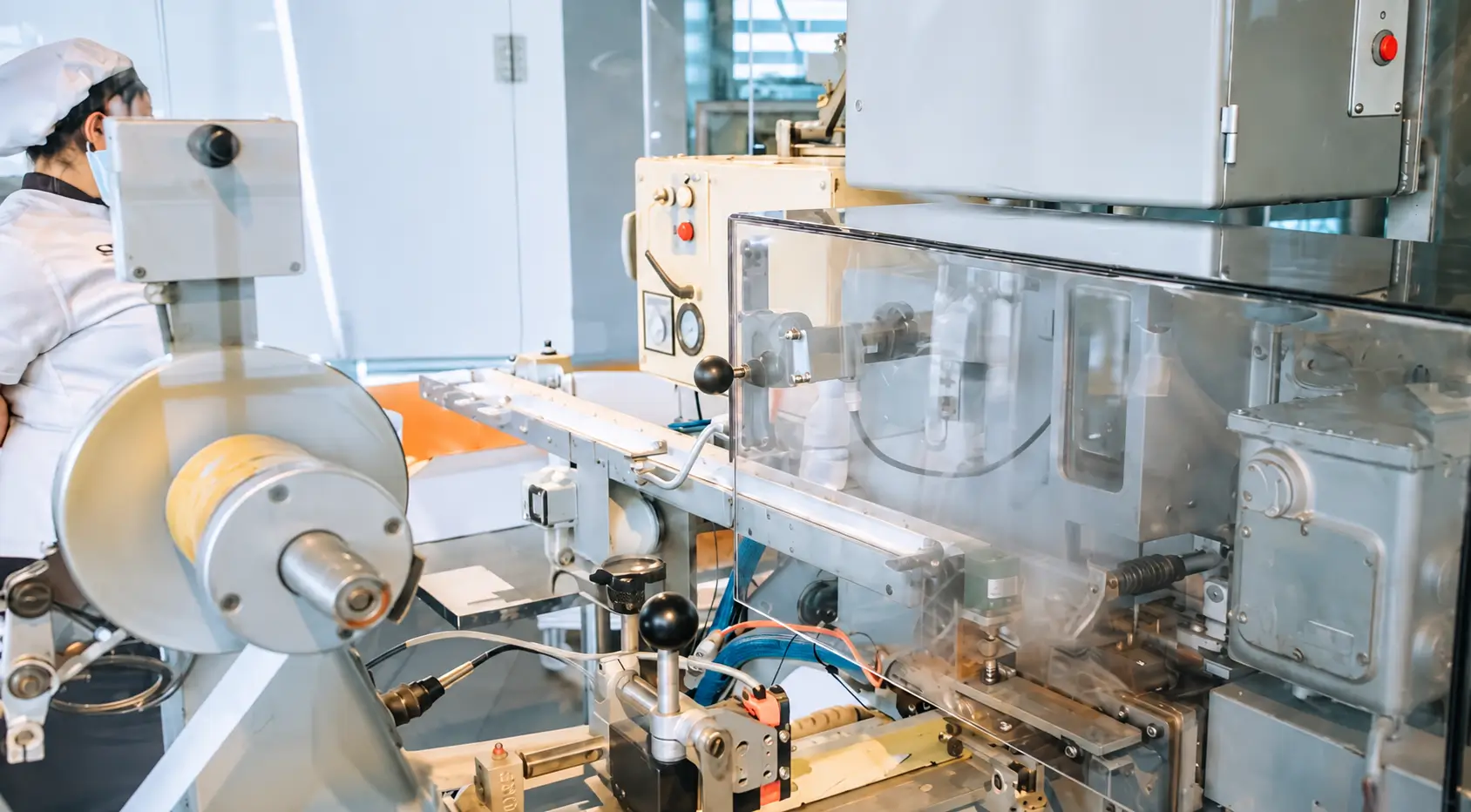
At Efficient Innovations, the process connects design decisions with engineering, prototyping, testing, tooling and manufacturing considerations, helping identify risks early and support a smoother transition to production. The company’s workflow also places emphasis on design review, technical inputs, tooling compatibility, trials, qualification and production readiness.
Requirement & Market Understanding
Various metrics like product brief, intended application, functional requirements, target users, material expectations, dimensional needs and production objectives are defined at the first step.
Concept Development
Initial ideas are then translated into multiple practical product concepts which are evaluated based on functionality, usability, aesthetics and manufacturing considerations.
Industrial/Product Design
The selected concept is developed into a defined product form, creating a balanced appearance, ergonomics, functionality and packaging requirements. In case of plastic products, design decisions are also considered alongside material behaviour, assembly requirements and eventual tooling needs.
3D CAD Design
A detailed 3D CAD model is developed for the product to establish geometry, interfaces and key dimensions. The CAD data provides the foundation for design review, engineering analysis, prototyping and subsequent tooling development.
Engineering Design
Product engineering creates a technically viable solution by addressing materials, tolerances, component interfaces, functionality, and manufacturability. Design reviews at this stage help identify technical risks and ensure compatibility with downstream tooling and production requirements.
Prototype Development
Prototypes are developed to assess physical form, fit, functionality, and key design assumptions before committing to full-scale production tooling.
Testing & Validation
The product is gauged against defined dimensional, functional, aesthetic and performance requirements. Part quality assessment, dimensional checks, process studies and trial-based evaluation are all a part of testing and validation.
Design Optimisation
Test results and technical findings are scrutinised, the designs are refined for performance, manufacturability, quality and production efficiency. This stage helps resolve issues before final tooling and supports a more robust product-development outcome.
Design for Manufacturing
The final design is reviewed with production in mind, considering tooling, material processing, equipment compatibility, cycle time, quality criteria and repeatable production. In Efficient Innovations’ workflow carries these considerations through tool design, qualification and commissioning, with production approval following successful validation and sign-off.
From Product Idea to Production
Idea
↓
Concept — Define the product form, function & requirements
↓
CAD — Develop the detailed 3D product design
↓
Prototype — Create and assess the physical product
↓
Testing — Validate dimensions, functionality, aesthetics & performance
↓
Refinement — Resolve issues and optimise the design
↓
Manufacturing — Finalise tooling, qualification & production readiness
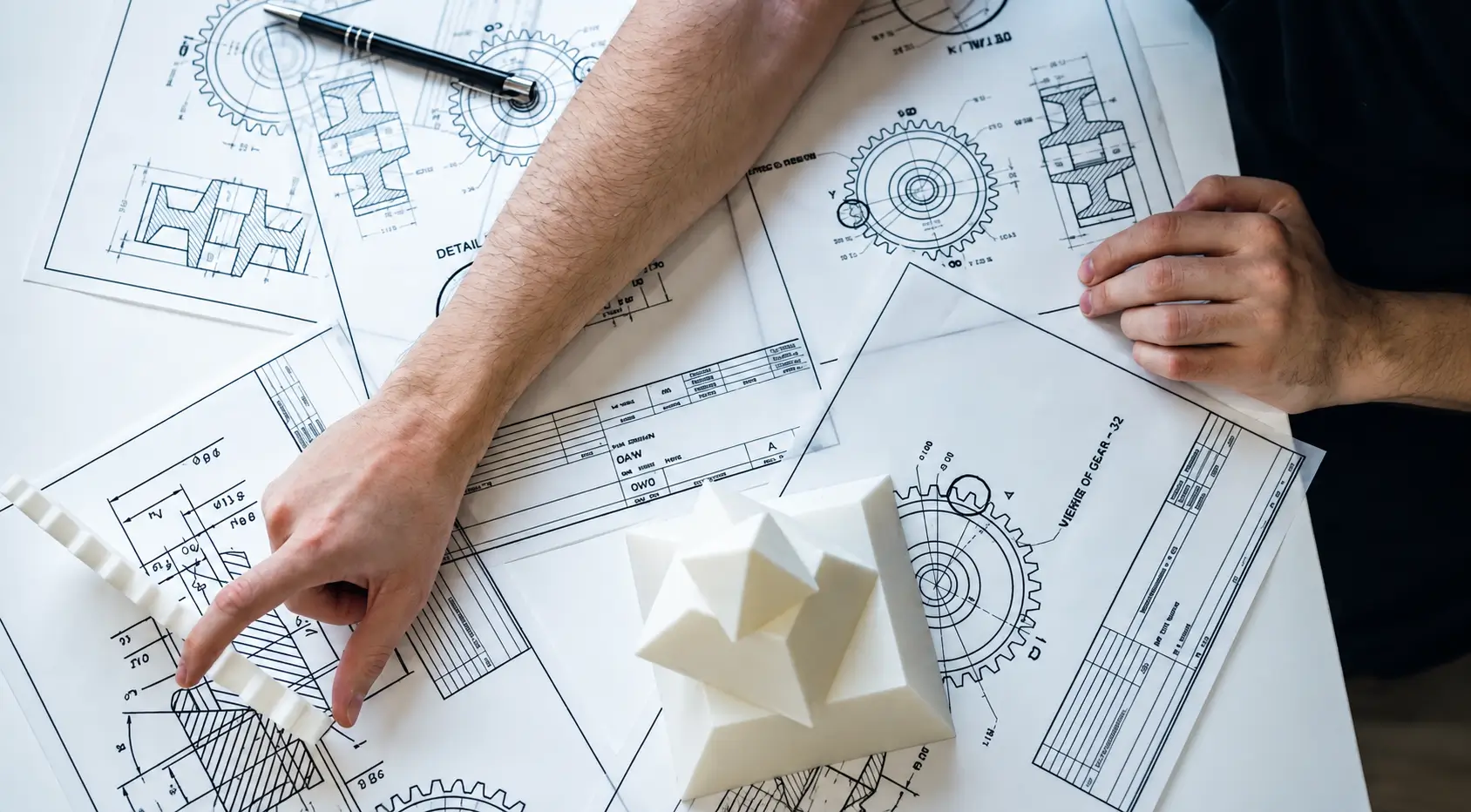
Key Considerations in Product Development
Effective product development is one which balances product performance with practical manufacturing and business requirements.
Key considerations include:
Functionality
Ensuring that the product performs its intended function consistently and meets defined performance requirements.
Materials
Based on product performance, application, processing requirements and material behaviour, materials are selected.
Usability
Ergonomics, handling, user interaction and ease of use throughout the design process are precisely worked upon.
Manufacturability
The product is developed with tooling, production processes, assembly requirements and manufacturing constraints in mind.
Cost
A balance is created in design, material, tooling and production requirements to achieve the intended product value without compromising essential performance.
Durability
The product’s ability to withstand expected use, handling and environmental conditions over its intended lifecycle is evaluated.
Scalability
Ensure the design can transition from prototyping to repeatable, high-volume production with consistent quality.
Product Design for Manufacturing
Designing a product for manufacturing is mostly about how the final design will be tooled, produced, assembled and qualified, more than just how it looks or functions.
Efficient Innovations’ approach connects product design with manufacturability, tooling requirements and production considerations.
Design for Manufacturing (DFM)
Evaluate the product design against manufacturing and tooling requirements early to identify potential production challenges before tool development.
Reducing Manufacturing Complexity
Simplify product geometry, tooling requirements and production steps wherever possible to support efficient and consistent manufacturing.
Material Selection
Material requirements are considered alongside product performance and processing needs so the chosen material is suitable for the intended manufacturing process.
Tolerances
Appropriate dimensional tolerances are defined to balance product functionality, quality requirements and practical manufacturing capability.
Assembly Considerations
Component interfaces, assembly requirements and equipment compatibility are accounted for during product development to ensure the design can transition smoothly into production.
Efficient Innovations’ work also includes product and mould design considerations alongside assembly machine requirements. This manufacturing-led approach helps create designs that are not only technically sound but also practical to tool, produce and scale.
Why Choose Efficient Innovations for Product Design and Development?
- End-to-End Technical Support — Support across product design, engineering, prototyping, validation, tooling and production readiness.
- Strong Plastics Expertise — Over 30 years of experience in the plastics industry, with a focus on plastic packaging and product lifecycle support.
- In-House Design & Development Capabilities — Experienced design and development engineers supported by CAD, rapid prototyping and testing capabilities.
- Manufacturing-Focused Approach – Product development is done connected with manufacturability, tooling, process requirements and production considerations.
- Data-Driven Validation – Design and product decisions can be supported through prototyping, functional testing, dimensional analysis and process studies.
- Global Project Experience – Experience supporting product and mould development projects across 50+ countries and working with global tool makers, converters and fillers.
- Integrated Technical Project Management – Structured coordination across design reviews, tooling development, trials, qualification and production handover.
Clients We Work With
We collaborate with forward-thinking clients across industries.
Together, we turn ideas into measurable results.






Product design and development is the process of transforming an initial product idea into a functional, engineered and production-ready solution. It typically combines concept development, industrial design, CAD, engineering, prototyping, testing, refinement and manufacturing considerations.
The main stages are idea, concept, CAD design, prototype development, testing, design refinement and manufacturing. Depending on the product, additional engineering, tooling and qualification activities may be required before production.
The product development timelines may vary based on product complexity, design requirements, material, prototype needs, testing, tooling and production requirements. Projects involving new mould development may also require design reviews, trials, qualification and commissioning before production begins.
DFM (Design for Manufacturing) is the practice of designing a product so it can be manufactured efficiently, consistently and within practical production requirements. It considers factors such as product geometry, materials, tolerances, tooling, production processes and assembly during the design stage.
Prototyping provides an opportunity to evaluate a product physically before moving into full-scale production. It can help assess form, fit, functionality and design assumptions, allowing issues to be identified and the design refined before production tooling and manufacturing.