The quality of any plastic pack relies on the process behind it. For plastic packaging, new product development involves taking a bottle, jar, or closure from a concept to consistent execution on the production line through design, material selection, tooling, and testing. Properly planning together ensures the best product quality, full cost control, and absence of unpleasant surprises in manufacturing, failure to do so leads to emerging problems as defects, delays, and costly mould changes late in the process.
At Efficient Innovations, we have first-hand experience of the challenges encountered while working with packaging brands as regards design reviews, tooling validation, and production trials. In this guide, we describe the entire process so you understand how it works from product design to production.
What Is New Product Development in Packaging?
New product development (NPD) in packaging refers to the process of taking a container, closure, or pack from initial concept to a manufacturable product. From an idea, the development moves through packaging design, engineering, selection of materials, moulding, and mould development until the final product is produced.
Quite often, product design and development of a product go together. A design that looks great in a visual image can prove to be hard to mould and fill in reality. Therefore, proper designing for mass production needs to be done in the beginning. It is necessary for the packaging material and the equipment used to make it to be developed simultaneously right from the start.
Key Stages of the New Product Development Process
Effective product development comprises six interdependent steps, whereby steps will mitigate risk factors one step at a time.
Requirement Analysis and Concept Development
Product development will begin from determining the area of application of the packaging: the contents of each pack, any constraints on the volume or technology of filling, desirable aesthetics and cost and legal standards it needs to comply with. Then concepts and feasibility studies will be generated based on the identified needs.
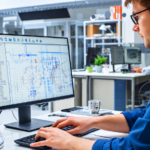
Product Design and 3D CAD Modelling
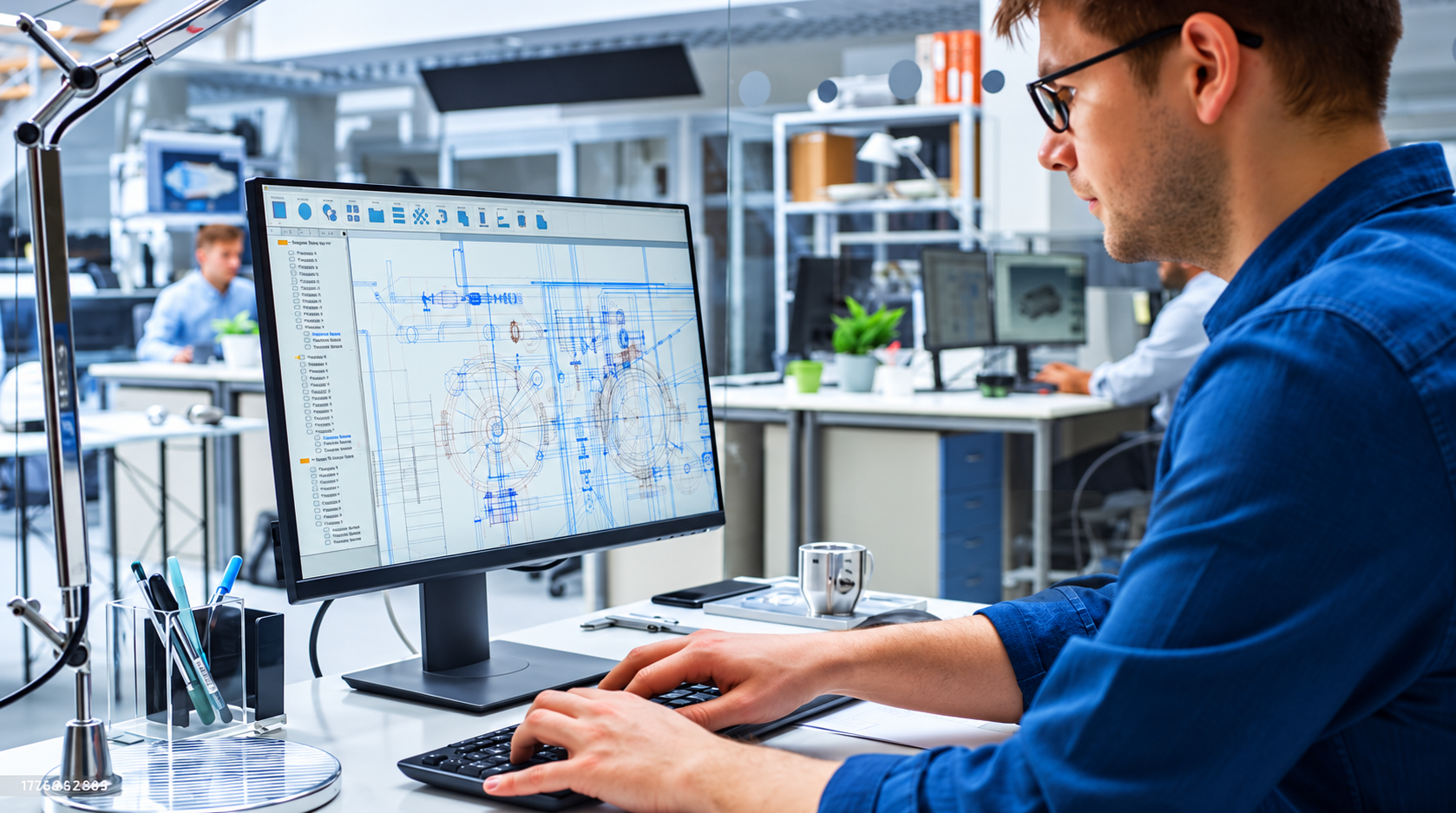
The selected idea gets transformed into an elaborate 3D CAD model. The process of structural simulations allows us to check the strength, stacking and functionality of the tool to be manufactured.
Material Selection and Design for Manufacturing
Polymer materials are coordinated with the product compatibility, barrier properties and sustainability goals. As part of the packaging manufacturing process, design for manufacturing (DFM) is involved in determining and improving wall thickness, draft angles and gating for the effective moulding of the part.
Mould Development and Prototyping
The construction of a tool is closely investigated, with the analysis of mould flow before the production of the mould begins. Prototypes are tested to evaluate the degree of accuracy, quality and functionality.
Product Validation and Manufacturing Trials
Manufacturing tests investigate the dimensional conformity, behaviour of materials, and reliability of functionality. There are necessary tests such as drop, strength tests and seal integrity tests that may encounter certain problems that will be solved before proceeding with production.
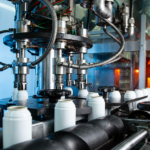
Production Readiness and Scale-Up
Finalising the processes, necessary quality tests and documentation, the plant is ready for stable and repeatable output in commercial volumes.
Key Factors to Consider in Packaging Product Development
A design that works well on paper doesn’t always produce a successful product during production. The right balance of the following elements determines whether a package design works in production and must be assessed before the tooling process starts:
- Product Functionality And Geometry: These aspects are crucial in determining if the design in production is successful:
- Material Properties And Compatibility: These aspects are crucial in determining if the design in production is successful:
- Moulding Feasibility And Tooling Requirements: Preparation of tooling should be preceded by checks of cavitation, cooling, gating, and mould complexity.
- Production Costs, Timelines And Volumes: Requirements for cycle time, weight of material and investment in tooling must conform with demand.
- Quality, Sustainability And Scalability: Quality consistency, light-weighting and recyclable materials should be taken into account from the very beginning of the project.
Common Challenges in Packaging Product Development
Predictable problems affect even veteran teams when design, tools and production do not align. These are often easy to avoid if recognised early, but quite expensive to remedy after the mould is manufactured. The typical ones include:
- Design And Manufacturability Issues: Feature that makes a great CAD model but not viable for an actual mould or assembly.
- Material And Tooling Limitations: Plastic part design that can’t withstand the necessary requirements in terms of mechanical properties, finish or cycle time.
- Product Defects During Trials: Defects like warpage, shrink marks, leaking or finishing issues which arise only at the stage of producing actual parts.
- Delays, Rework And Cost Overruns: The last-minute design change leads to tool changes, additional testing and missing the product launch.
Benefits of a Structured Product Development Process
The adoption of a simple process helps one manage the potential risks involved in one’s project. Each step of the design, material, and tooling process will ensure that there are no surprises down the road and will make the transition to production smooth. Here are some of its advantages:
- Improved Product Quality And Manufacturability: Initial checks are carried out on designs by comparing them with actual moulding conditions.
- Reduced Design Errors And Tooling Rework: Problems are detected using simulations and prototypes instead of costly materials.
- Better Cost Control And Faster Time To Market: If there are fewer surprises, it is easier to prepare reliable budgets and schedules.
- Smoother Transition From Product Design To Production: Validated designs and approval processes pass to factories almost without difficulties.
Applications of New Product Development in Plastic Packaging
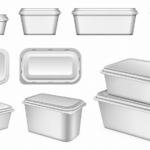
Structured product development helps with packaging in FMCG, food, cosmetics and personal care. Standard projects involve rigid containers, closures and dispensing solutions since they require leak-proofing, strong shelf appeal, compliance to regulations and reasonable costs of the tools. Efficient Innovations also caters to sustainable design needs for lightweight, recyclable packaging in these categories.
Why Choose Efficient Innovations for New Product Development?
Efficient Innovations has combined design, engineering, and validation in one place.
- Product Design And Development Expertise: Instead of hiring specialists from outside, they employ specialists available for work inside.
- Engineering-Led Design And Tooling Considerations: Key decisions in the design process are based on CAD simulations as well as on DFMEA/PFMEA analysis and mould flow verification.
- Manufacturing Feasibility And Validation Support: Reviews and testing of tools are performed to finalize their design before moving to the implementation stage.
- Focus On Production Readiness And Scalable Solutions: We ensure a seamless transition to implementation for all of its projects.
Ready to Move From Concept to Production?
Looking to take your packaging product from concept to production? Connect with Efficient Innovations for product design, development and manufacturing support.
FAQs About New Product Development
1. What Is New Product Development In Packaging?
Referring to the stage where an idea for packaging is transformed into a product that is ready to be made. The stages cover ideas, design, engineering, selection of materials, prototyping and checking the mould.
2. What Are The Main Stages Of The New Product Development Process?
In the process, materials need to be selected and a model needs to be developed. All these stages will be carried out step by step.
3. How Long Does Packaging Product Development Take?
This process will depend on the type of packaging, its model in relation to the complexity of designing.
4. What Factors Affect Product Development Costs?
The design will depend on the selection of materials, the complexity of design, the model, and the number of prototypes produced and quantity needed.
5. How Does A Product Move From Design To Production?
The finalised design is used to manufacture moulds and validated by means of production tests done before scaling up once the specifications and quality checks are established.