
Food Packaging Design
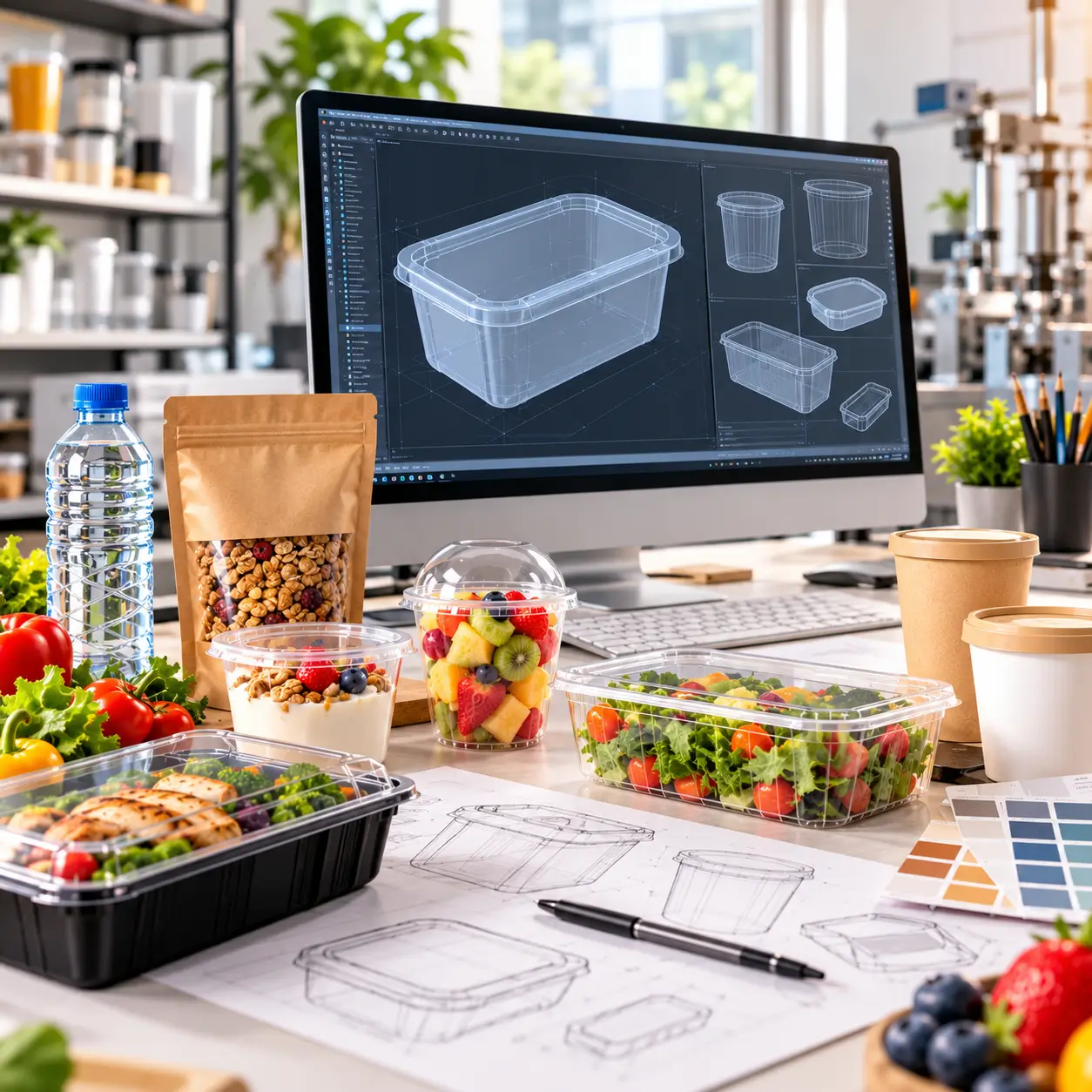
Food Packaging Design for Functional and Market-Ready Products
Food packaging is a lot more than creating a container to just hold a product. It needs to protect the contents, support convenient handling and communicate the product effectively at the point of use or purchase. In water and food packaging design, decisions and applications must balance protection, functionality, usability and visual appeal while remaining suitable for efficient manufacturing.
At Efficient Innovations, a variety of packaging development is done, extending to food and water packaging, including IC tubs and lids, alongside other rigid plastic packaging applications. This brings together product design, material and manufacturing considerations to develop packaging solutions that are practical, functional and ready for production.
For food products, effective packaging design can help deliver:
- Protection – Safeguard the packaged product through handling and distribution.
- Usability – Support practical opening, handling, dispensing, closing and everyday use.
- Shelf Appeal – Create a clear and appropriate visual presence on the shelf.
- Brand Communication – Use the packaging form and design to communicate the product and brand effectively.
The objective is to create market-ready food packaging designs where product requirements, user needs and manufacturing considerations work together from the early design stage.
What Is Food Packaging Design?
The process of developing packaging that balances product protection, functionality, usability and presentation. It considers the packaging structure, material, dimensions, closure and manufacturing requirements to create a practical solution for food applications.
At Efficient Innovations, packaging design is done connected with product development, tooling and manufacturing considerations.
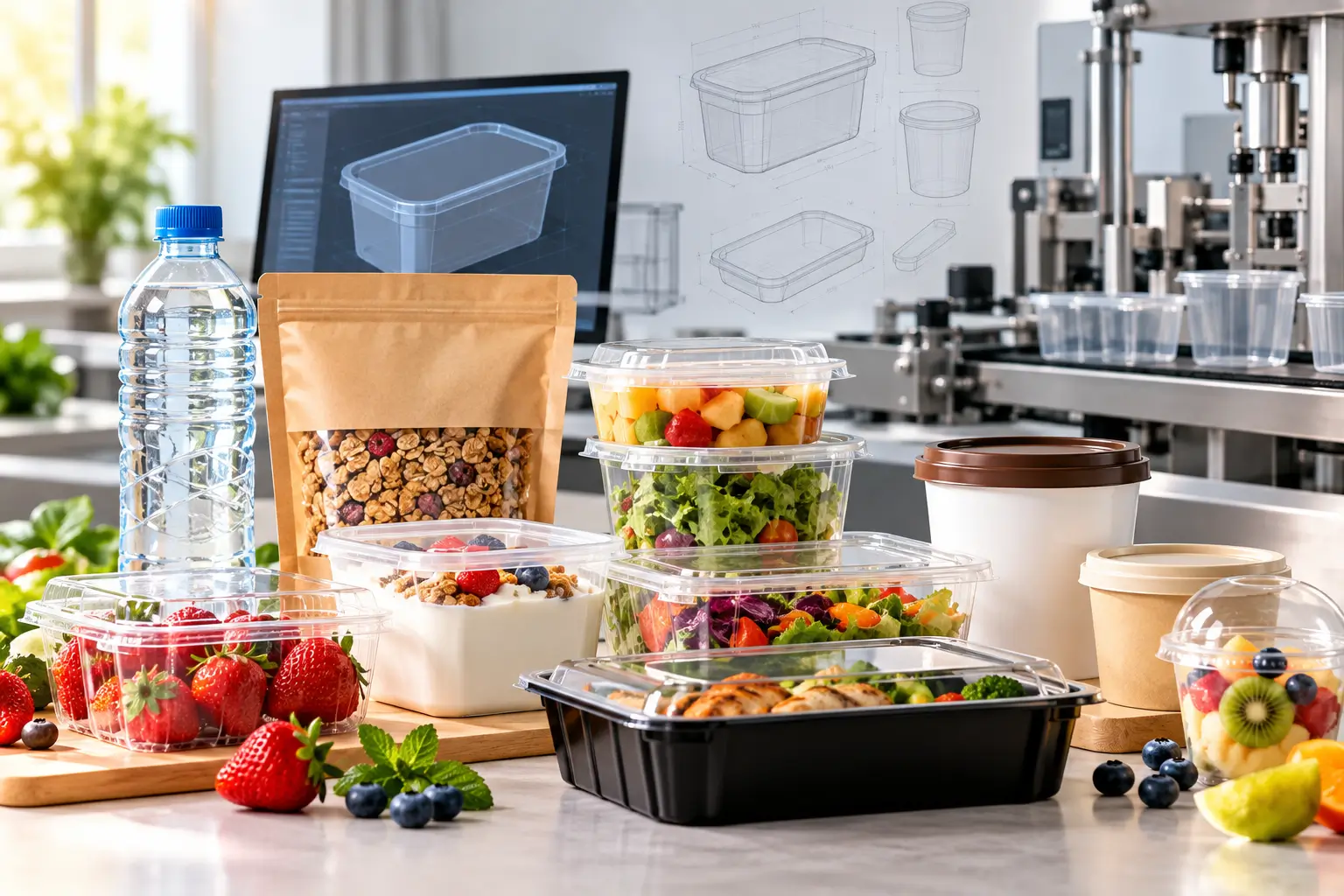
What Makes Effective Food Packaging Design?
Effective food packaging must bring together protection, convenience, visual presentation and material suitability to create packaging that works for both the product and the end user.
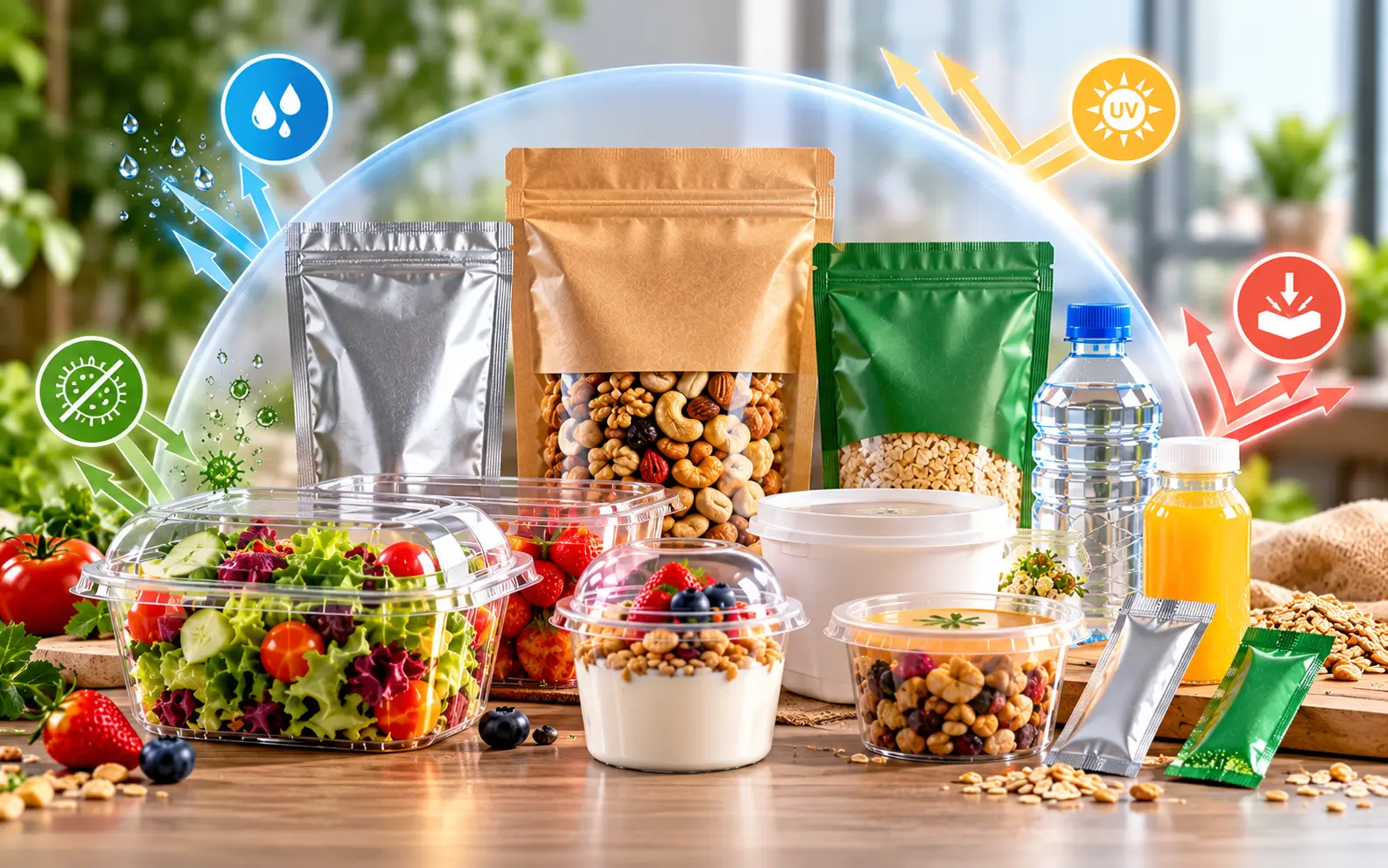
Product Protection
An appropriate barrier and structural protection should be provided by the packaging to help maintain the integrity of the food product during handling, storage and distribution.
Functionality & Convenience
Practical use should be given precedence, including easy handling, opening, closing, dispensing and storage, depending on the product and packaging format.
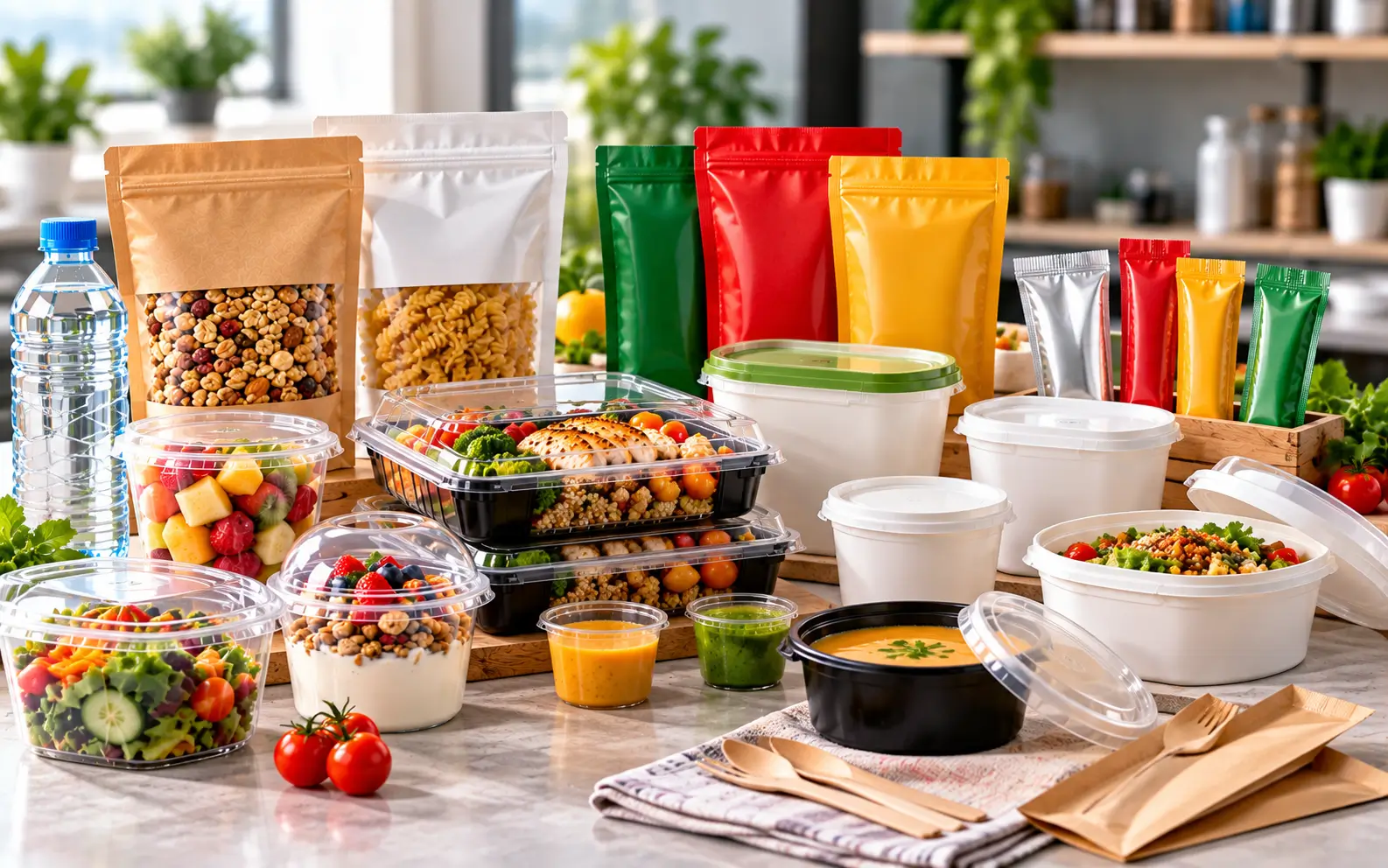
Visual Appeal
Overall presentation contributes to shelf presence and helps the package stand out while maintaining functional requirements, therefore, shape, proportions and surface finish become important.
Brand Communication
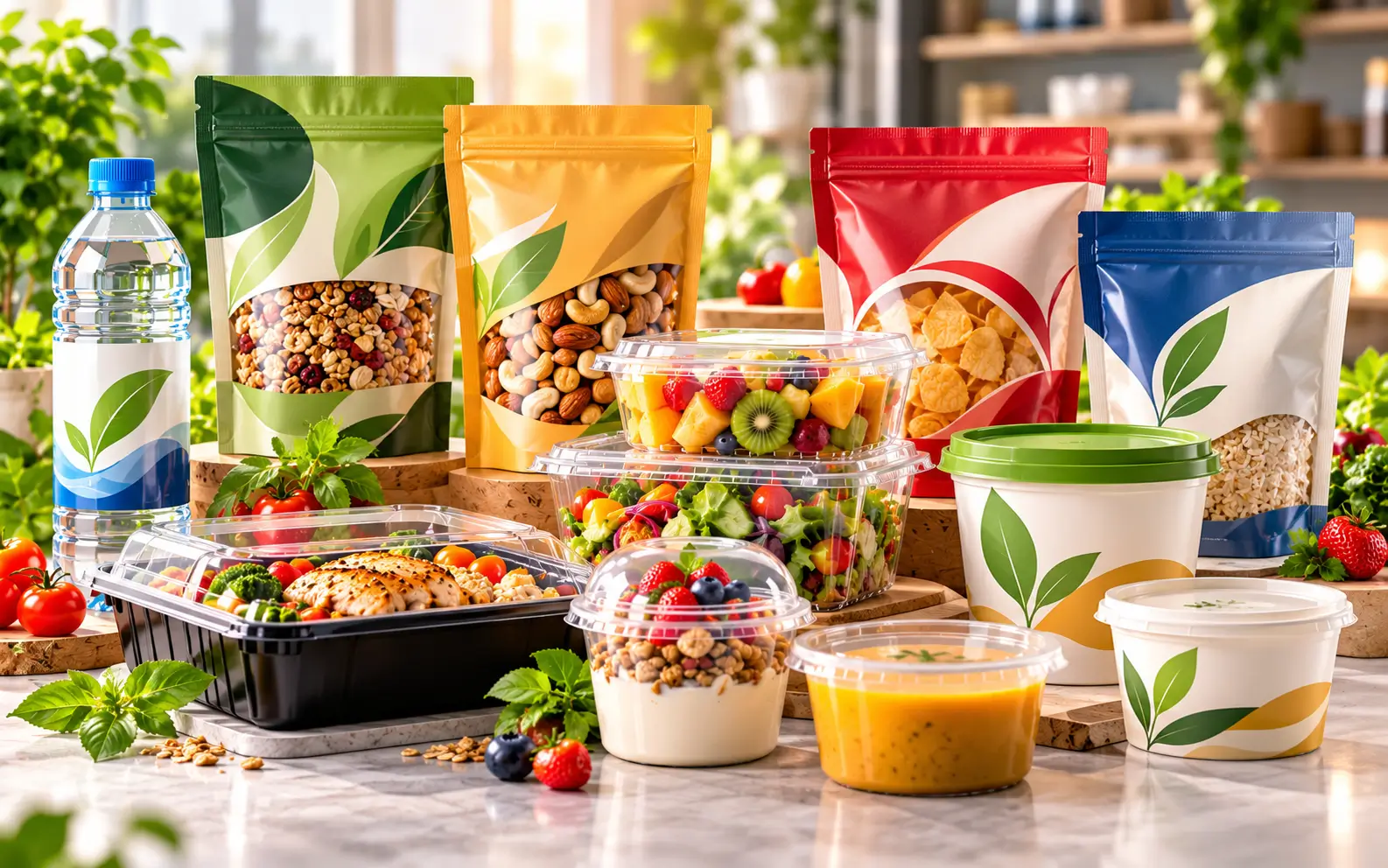
Packaging design should communicate the product identity and brand proposition clearly through its form, appearance and visual elements.
Material Selection
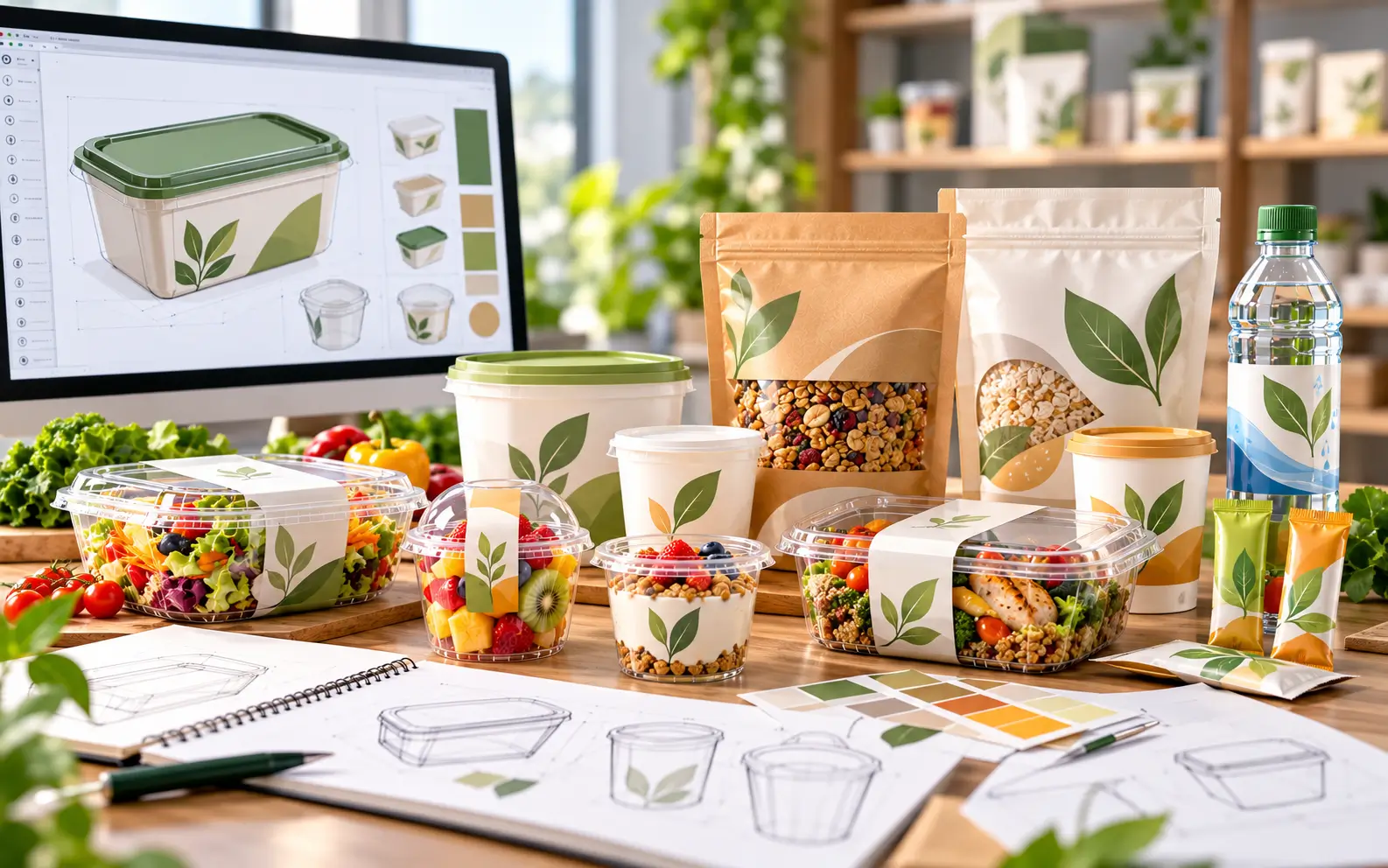
Material selection should align with the packaging application, product requirements and manufacturing process. For rigid plastic packaging, material decisions also need to work with the intended moulding and tooling requirements.
Our Food Packaging Design Process
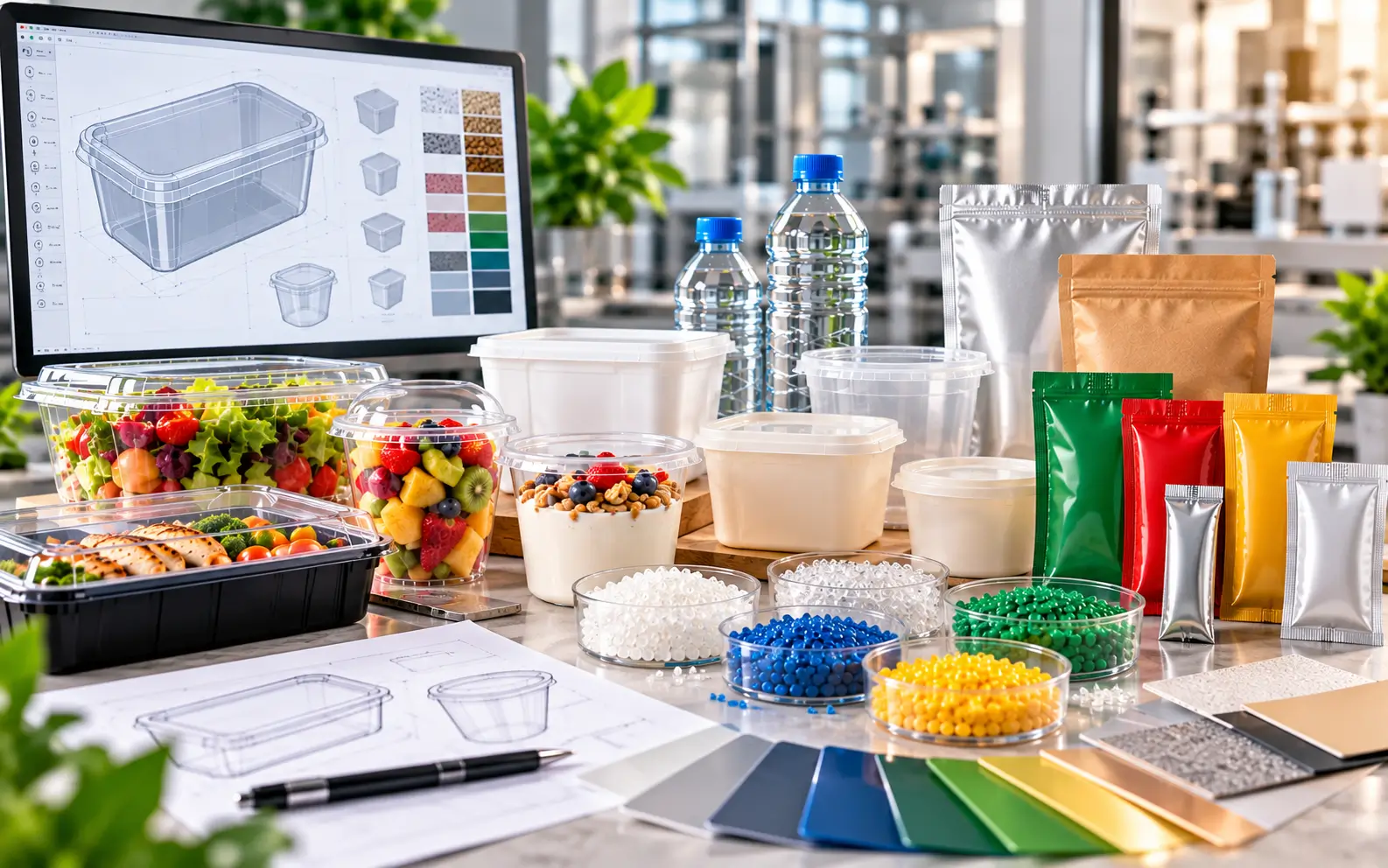
Our approach aligns packaging requirements with structural development, prototyping, testing and manufacturing considerations and creates a practical, production-ready solution.
Requirement Analysis
Define the product, packaging requirements, functional needs and production objectives to establish clear development criteria.
Packaging Concept
Develop packaging concepts around the intended application, usability, product requirements and overall form.
Structural Design
The selected concept is designed with detailed packaging geometry, dimensions, interfaces and structural features, with tooling and manufacturability in mind.
Graphics & Visual Direction
Where applicable, we establish the visual direction of the package, including its overall presentation and brand-facing elements. The shared company material supports industrial design, packaging concept design, detailing, renderings and presentations.
Material Consideration
Material requirements are evaluated alongside product performance, packaging structure and the intended manufacturing process.
Prototype
In-house 3D printing and rapid prototyping capabilities help develop prototypes or mock-ups to review the physical concept and identify potential design issues before final tooling.
Testing
Packaging is validated against relevant dimensional, functional and quality requirements through testing and technical assessment.
Finalisation
In the finalisation process, validation findings are incorporated. The design is finalised and prepared for tooling, qualification and production. The documented workflow progresses through tool design, trials, qualification, commissioning and production start.
Types of Food Packaging We Design
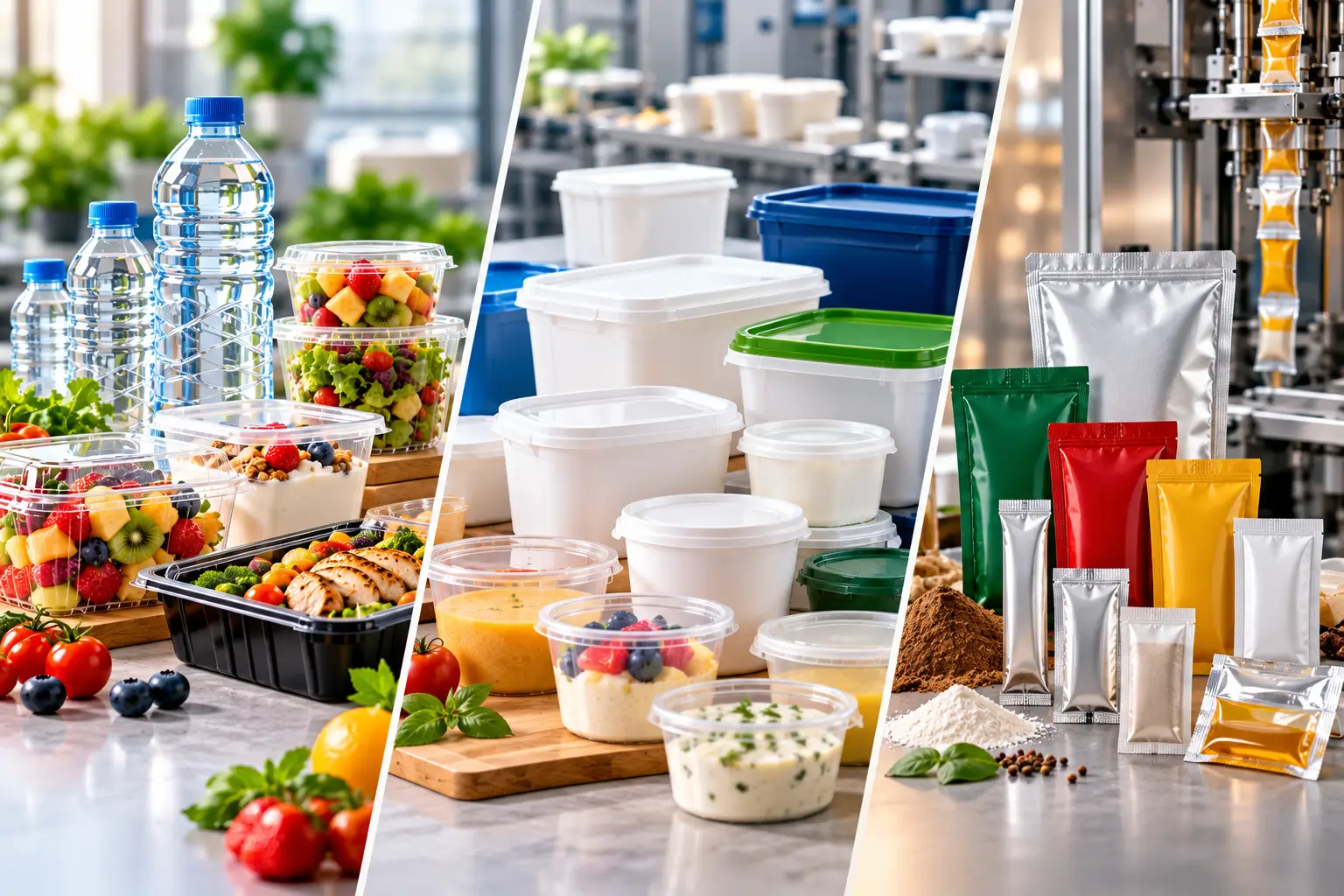
Efficient Innovations has experience across food and related packaging applications, including rigid plastic formats and sachet-based solutions. This experience covers different product requirements while connecting packaging development with tooling and qualification.
- Food & Water Packaging – Packaging applications developed for food and water products, with consideration for product and production requirements.
- IC Tubs & Lids – Rigid plastic tub-and-lid formats supported through product development and tooling expertise.
- Sachets – Liquid and powder sachet applications supported through sachet filling machine development and qualification.
Food Packaging Design Considerations
Food packaging can only be considered effective when it accounts for the product’s requirements throughout its development, handling and use. Key considerations include:
Food Safety
Packaging materials and design requirements relevant to the intended food application and product-contact condition is considered.
Shelf Life
The packaging structure and material should support the product’s required storage period and help maintain its intended quality.
Protection
Packaging should protect the product from physical damage and maintain package integrity during handling.
Transportation
Strength, dimensions and structural performance during movement and distribution are accounted for in the packaging.
Storage
Consider how the package will perform during stacking, handling and storage throughout its intended lifecycle.
Usability
Designing is done for the package for practical handling and use, including opening, closing and other relevant user interactions.
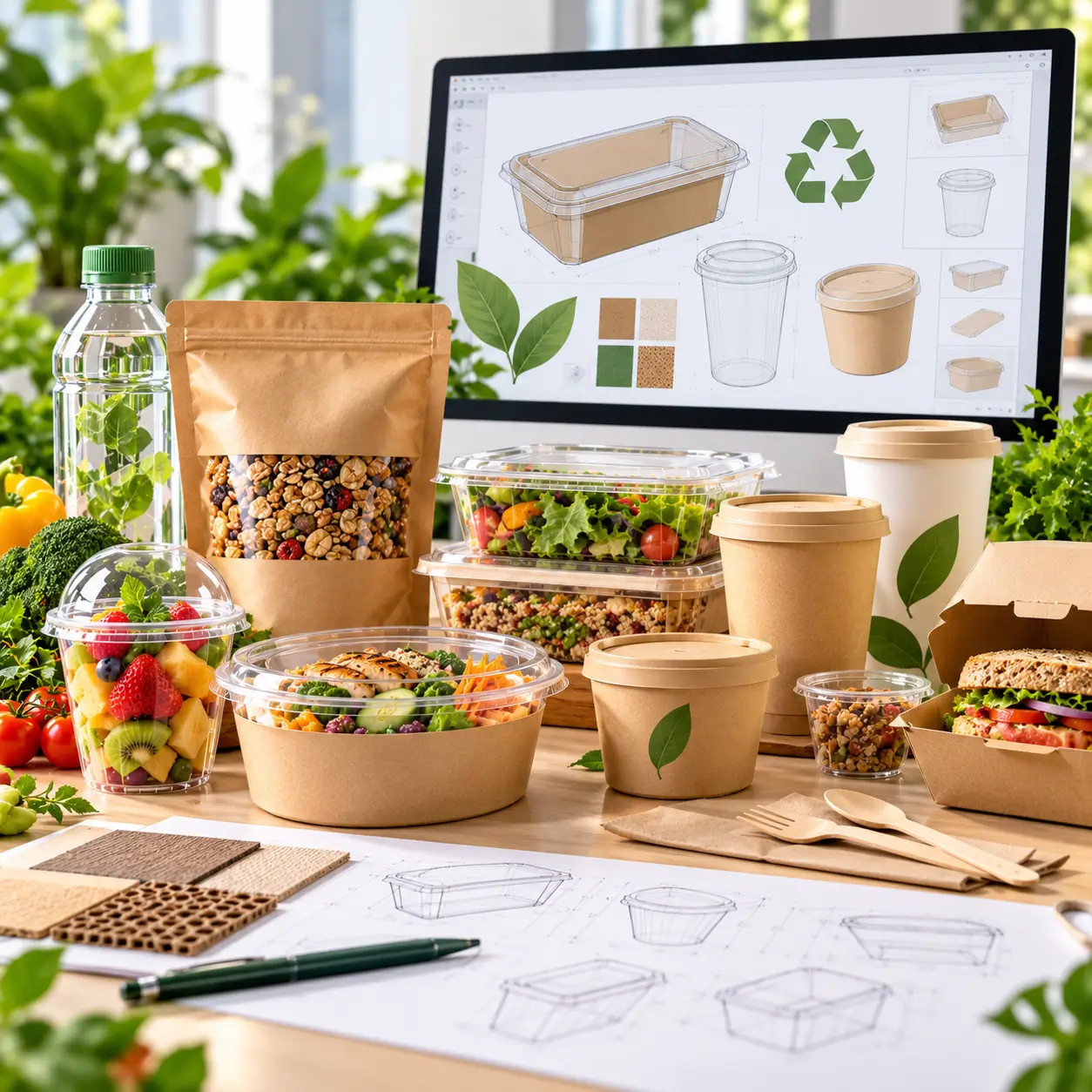
Sustainability
Consider opportunities for material efficiency, weight reduction and improved packaging performance. Efficient Innovations’ work includes plastic weight-reduction projects and post-consumer resin applications.
Sustainable Food Packaging Design
True sustainable food packaging design focuses on reducing material use and improving packaging efficiency at the same time. It also doesn’t compromise the product’s functional requirements. Efficient Innovations’ sustainability work includes plastic weight reduction, packaging development and testing, data analysis, qualification, and post-consumer resin applications.
- Recyclable & Recycled Materials – Consider materials and material choices that support end-of-life and recycling objectives.
- Lightweight Packaging – Reduce unnecessary packaging weight while maintaining the required strength, functionality and performance.
- Material Efficiency – Optimise material usage through packaging geometry, design refinement and weight reduction to minimise unnecessary plastic consumption.
- Sustainable Alternatives – Evaluate alternative materials or design approaches where they can meet the required packaging performance and manufacturing requirements. Efficient Innovations’ R&D support also includes exploring materials and process technologies as part of product development.
Common Food Packaging Design Mistakes
Even a well-conceived package can face production and performance issues when key design and manufacturing factors are overlooked. Common mistakes include:
Designing Without Manufacturing in Mind
Developing a packaging geometry without considering tooling, mould design, machine compatibility or production requirements can create avoidable mistakes later.
Overlooking Material Behaviour
Selecting material without considering its processing characteristics, dimensional behaviour and intended application can affect part quality and consistency issues.
Insufficient Prototype and Trial Validation
Moving too quickly from design to production without adequate trials can allow dimensional, functional or aesthetic issues to surface later in development.
Ignoring Cycle Time and Process Performance
A package may meet the design brief but still create production inefficiencies if process conditions, cooling and cycle time are not evaluated during qualification.
Inadequate Design Review
Missing critical reviews before tool development can result in design changes, tooling issues or downstream delays. Structured design reviews and risk identification can help address these challenges earlier.
Poor Documentation of Development Data
Failing to capture process parameters, trial findings, quality criteria and validation results can make future troubleshooting, revalidation and production handover more difficult.
Focusing Only on the Package, Not the Production System
Packaging performance also depends on the mould, processing conditions, equipment and qualification process, making a broader product-to-production view essential.
Why Choose Efficient Innovations?
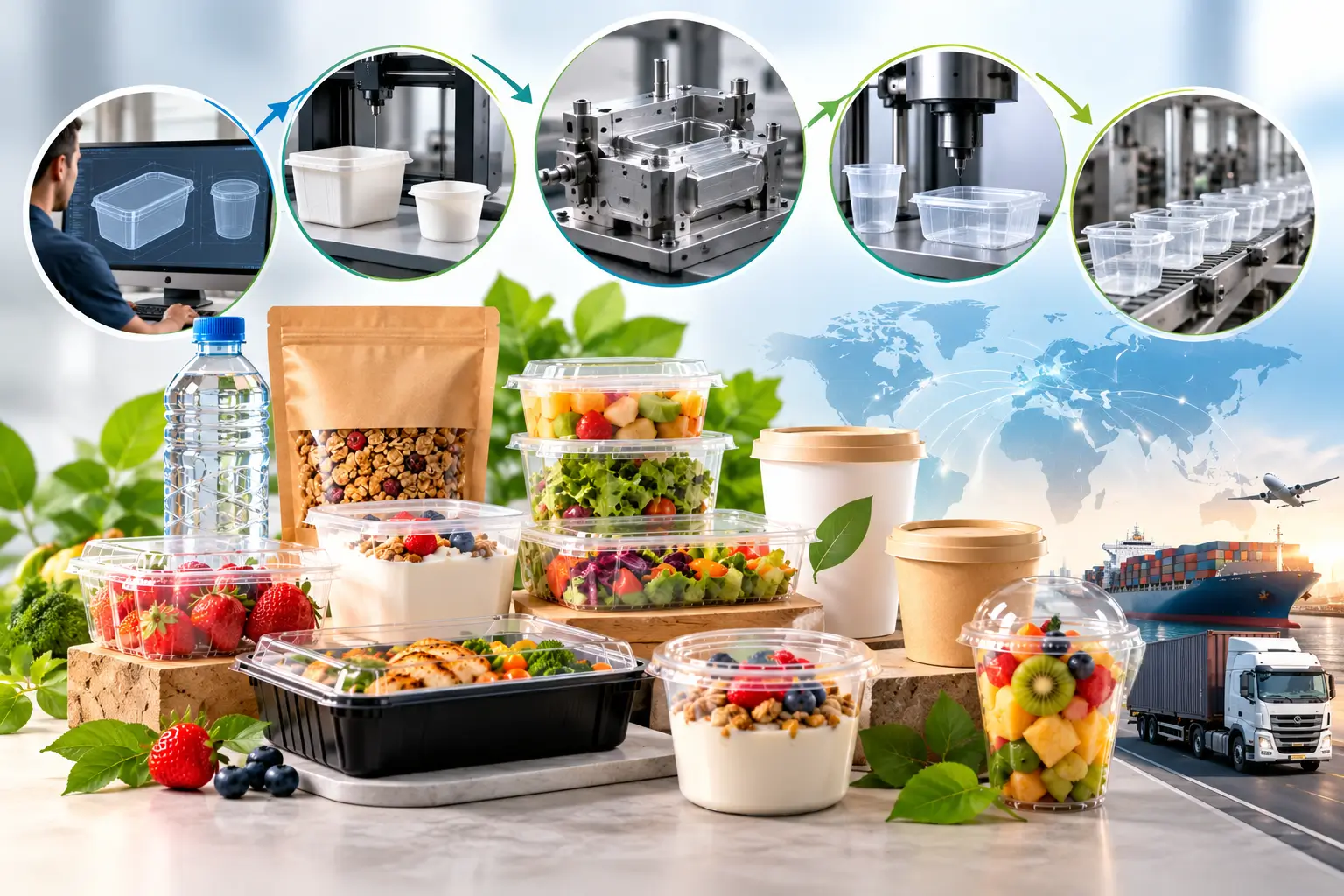
Efficient Innovations brings together product development, packaging design, tooling expertise and technical project management to support packaging from concept through qualification and production.
- Packaging & Plastics Expertise – Experience across food and water packaging, rigid plastic formats and other packaging applications.
- End-to-End Technical Support – Support spanning design review, prototyping, tooling, qualification and commissioning.
- Manufacturing-Focused Approach – Packaging decisions are evaluated alongside tooling, processing, equipment compatibility and production requirements.
- Testing & Validation Capabilities – In-house technical resources support prototyping, testing and data-driven validation.
- Global Project Experience – A dedicated technical team supports projects across multiple markets and works with global tool makers, converters and suppliers.
Clients We Work With
We collaborate with forward-thinking clients across industries.
Together, we turn ideas into measurable results.






FAQs
Looking to Get Food Packaging Solutions? Connect With Efficient Innovations Today!
Food packaging design is the process of developing packaging that supports product protection, usability, material requirements, visual presentation and manufacturing. It combines packaging structure with product and production considerations to create a functional, market-ready solution.
Efficient Innovations’ food packaging experience includes food and water packaging, IC tubs and lids, and sachet-based applications for liquid and powder products.
Key considerations include product requirements, material selection, structural design, usability, protection, manufacturing requirements, testing and scalability. Packaging should also be evaluated in relation to tooling and production processes.
Prototyping helps evaluate the physical design before final production tooling. It can be used to review form, fit, functionality and key design assumptions, allowing changes to be made earlier in development.
Sustainable packaging can focus on material efficiency, lightweighting, weight reduction and the use of recycled or alternative materials where appropriate. Efficient Innovations also works on plastic weight-reduction projects and post-consumer resin applications.
Efficient Innovations supports packaging development through product design, prototyping, testing, tooling and technical qualification, helping connect the packaging concept with manufacturing and production requirements.