Key Takeaways
- Discover how microscopic tooling precision can dramatically influence aerosol can quality, production reliability, and long-term manufacturing efficiency.
- Explore how advanced carbide inserts in tooling, predictive maintenance, and industrial automation tooling are reshaping the future of high-speed aerosol manufacturing.
- Learn why leading manufacturers rely on injection mould consultants and tooling optimization services to reduce downtime, improve durability, and maintain consistent production excellence.
At production speeds exceeding 250–400 cans per minute, a tooling error of only a few microns can become thousands of rejected cans before operators even detect the problem. Manufacturers often blame the press, material or machine settings, when the real root cause lies inside the tooling.
In high-speed aerosol manufacturing, tooling is not just another production component—it determines product quality, line efficiency, maintenance costs, and ultimately profitability.
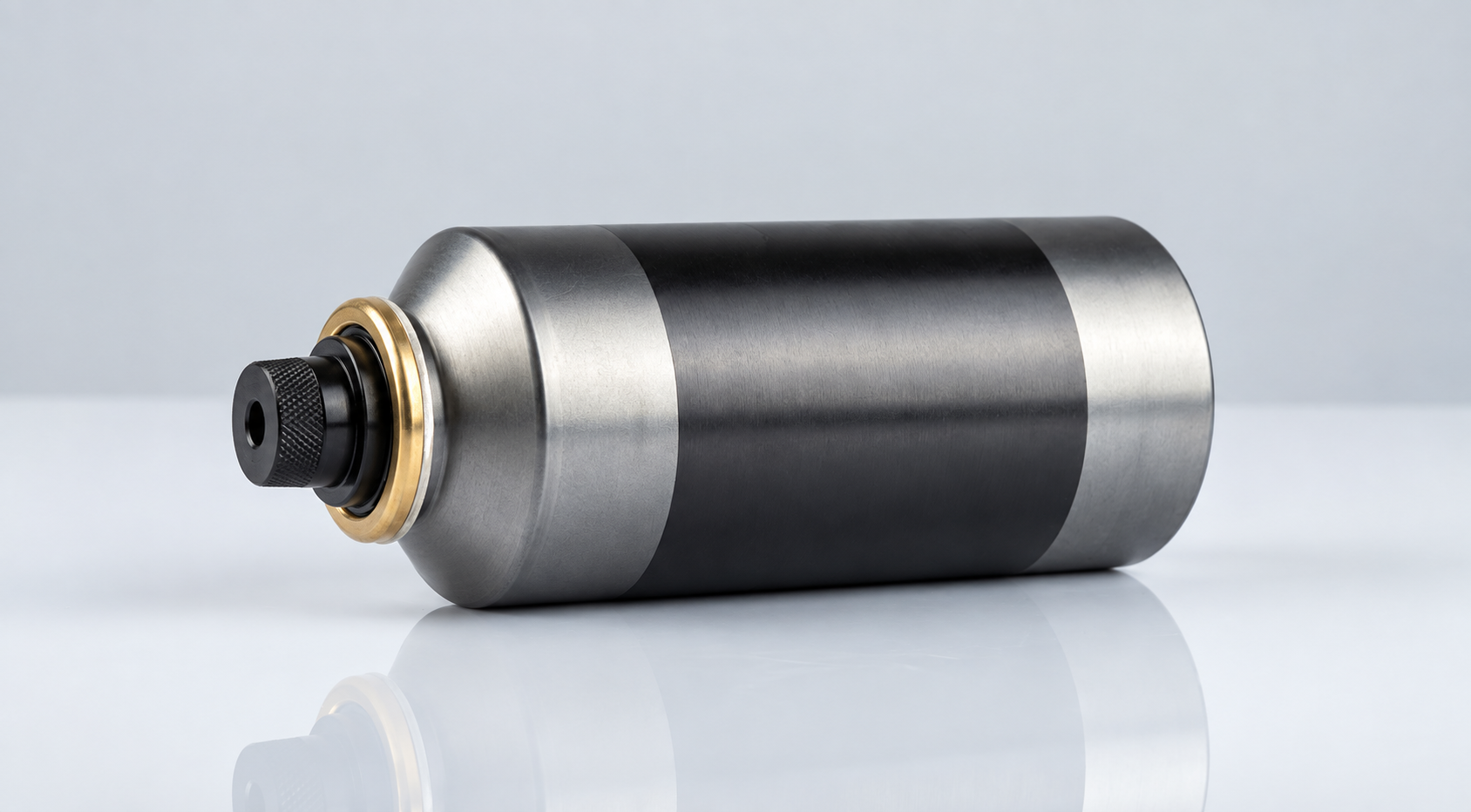
Modern aerosol can manufacturing processes now rely heavily on precision dies manufacturing; carbide inserts in tooling, and advanced industrial tooling solutions to maintain consistent output in high-speed production environments. At the same time, growing expectations around tooling durability, production downtime reduction, and industrial automation tooling are pushing manufacturers to rethink traditional tooling strategies.
In this blog, we’ll explore how expert consultants, tooling optimization services, and evolving high-performance tooling technologies are shaping the future of aerosol manufacturing while helping businesses achieve greater operational efficiency, product consistency, and long-term cost control.
What Role Does a Tooling & Packaging Consultant Play in Tooling Excellence?
In the aerosol can manufacturing process, tooling precision is critical because even microscopic inaccuracies can affect can structure, sealing integrity, pressure resistance, and overall product safety. Small deviations in aerosol can tooling can lead to leakage, uneven wall thickness, weak structural performance, and increased production waste, especially in high-speed manufacturing environments.
This is where an experienced injection mould consultant becomes essential. Their role goes beyond basic tooling support. They help manufacturers optimize tooling geometry, improve die and insert manufacturing accuracy, and ensure production systems maintain consistent dimensional tolerances throughout large-scale operations.
By focusing on precision tooling in manufacturing, consultants help businesses improve:
- Can strength and pressure stability
- Product consistency across production runs
- Tooling durability and wear resistance
- Manufacturing efficiency and reduced material waste
- Production downtime reduction through proactive tooling optimization
Consultants also support tooling optimization services by identifying performance gaps, improving alignment accuracy, and recommending high-performance tooling solutions such as carbide inserts in tooling for better long-term operational stability.
As industrial automation tooling systems continue to evolve, the expertise of injection mould consultants is becoming increasingly important for manufacturers looking to maintain quality, safety, and cost-efficiency in competitive aerosol production markets.
Tool Wear and Maintenance Issues
Tool wear is one of the most significant operational challenges in aerosol can tooling and high-speed manufacturing environments. Continuous production cycles expose tooling components to intense pressure, friction, and thermal stress, gradually affecting precision, alignment, and overall tooling durability.
Over time, worn or poorly maintained tooling can create:
- Dimensional inconsistencies in aerosol cans
- Misalignment during forming and shaping operations
- Increased material waste and defect rates
- Frequent maintenance shutdowns and production downtime
- Higher operational and tooling replacement costs
These issues directly impact manufacturing efficiency and can reduce overall production reliability if not addressed proactively. Proper tooling optimization services and regular maintenance strategies are essential for maintaining stable high-performance tooling operations.
Precision Loss and Its Impact on Product Quality
Even minor precision loss in precision dies manufacturing can significantly affect aerosol can quality and safety. As tooling surfaces wear down or become misaligned, manufacturers may experience inconsistencies in can dimensions, wall thickness, and sealing accuracy.
Common causes of precision loss include:
- Repetitive mechanical stress during production
- Surface wear on dies and carbide inserts in tooling
- Poor alignment and calibration issues
- Inadequate maintenance and inspection schedules
These problems can lead to leakage risks, weak pressure resistance, and reduced structural integrity. Prevention strategies such as predictive maintenance, regular tooling inspections, alignment correction, and the use of carbide tooling benefits like improved wear resistance help manufacturers maintain production consistency and reduce costly defects.
How Injection Mould Consultants Solve Tooling Challenges
Injection mould consultants play a critical role in identifying and resolving tooling-related production issues before they escalate into large-scale operational problems. Their expertise helps manufacturers improve precision tooling in manufacturing while minimizing defect generation and unnecessary downtime.
Consultants support manufacturers through:
- Tooling performance analysis and optimization
- Root-cause identification for recurring production defects
- Alignment correction and dimensional accuracy improvements
- Recommendations for high-performance tooling upgrades
- Implementation of industrial automation tooling strategies
By improving tooling stability and production reliability, consultants help businesses reduce defect rates, extend tooling life, and achieve better manufacturing efficiency across the aerosol can manufacturing process.
Tool Design Optimization and Material Selection
Effective aerosol can tooling depends not only on precision engineering but also on selecting the right tooling materials and optimization strategies for long-term operational performance. Poor tool design or incorrect material selection can increase wear rates, create dimensional inconsistencies, and reduce overall manufacturing efficiency across the aerosol can manufacturing process.
This is where expert-driven tooling optimization services become essential. Injection mould consultants help manufacturers identify the right balance between tooling durability, production speed, cost efficiency, and long-term operational stability. Through precision tooling in manufacturing, they help businesses improve tooling performance while minimizing production risks and maintenance-related disruptions.
Lifecycle Management of Dies and Inserts
The operational lifecycle of precision dies and carbide inserts directly affects production consistency, maintenance costs, and tooling reliability. Without proper lifecycle management, tooling systems can experience accelerated wear, frequent breakdowns, and reduced production accuracy.
Consultant-led lifecycle management focuses on:
- Monitoring wear patterns and tooling degradation
- Scheduling preventive maintenance and inspections
- Improving die and insert manufacturing quality
- Optimizing replacement intervals for carbide inserts in tooling
- Extending tooling durability through performance analysis
These improvements help manufacturers achieve better production downtime reduction and more stable high-performance tooling operations.
Cost Optimization Without Compromising Quality
Reducing tooling costs should never come at the expense of product quality or production reliability. Manufacturers that focus only on short-term savings often face higher operational expenses due to frequent maintenance, tool failures, and inconsistent production quality.
Injection mould consultants help businesses optimize costs through:
- Smarter maintenance and replacement cycles
- Selection of durable tooling materials with longer operational life
- Improved tooling geometry for reduced wear and friction
- Better process stability across high-volume production runs
By leveraging carbide tooling benefits and precision dies manufacturing expertise, businesses can improve cost efficiency while maintaining consistent aerosol can quality and operational performance.
Reference Architecture Brief: ExposureManagement
Modern tooling optimization requires a proactive, ROI-driven approach similar to exposure management frameworks used in advanced manufacturing operations. Manufacturers that continuously monitor tooling performance, identify operational vulnerabilities, and optimize maintenance strategies are better positioned to reduce downtime, improve manufacturing efficiency, and maintain long-term production stability.
Quick Answer: What Threat Exposure Management Product Leaders Should Know About EAP and AEV
As industrial automation tooling systems become more connected and data-driven, manufacturers must adopt smarter operational visibility and risk management strategies. Proactive performance monitoring and predictive tooling analysis help reduce operational exposure while improving long-term manufacturing reliability and efficiency.
Benchmarking: Why CHOSEN Leads vs Competitors in Tooling Excellence
Manufacturers that prioritize precision tooling in manufacturing, advanced carbide inserts in tooling, and consultant-led optimization strategies consistently achieve stronger production reliability, lower downtime, and higher operational efficiency compared to competitors relying on traditional tooling approaches.
Efficient Innovations vs Competitors: Precision, Durability, Cost Efficiency
In the highly competitive world of aerosol can tooling, manufacturers evaluate tooling partners based on precision, tooling durability, operational reliability, and long-term cost efficiency. While many companies offer industrial tooling solutions, differences in engineering expertise, material quality, lifecycle optimization, and manufacturing support significantly impact production performance.
Efficient Innovations positions itself strongly through its focus on precision dies manufacturing, advanced carbide inserts in tooling, and consultant-led tooling optimization services designed for high-speed aerosol can manufacturing environments.
Comparative Industry Positioning
Factor | Efficient Innovations | Competitors |
Precision tooling accuracy | High-focus on micron-level precision | Varies by supplier |
Tooling durability | Advanced carbide tooling integration | Standard wear resistance |
Production downtime reduction | Proactive optimization approach | Mostly reactive maintenance |
Cost efficiency | Lifecycle-driven tooling strategy | Higher replacement frequency |
Consultant-led support | Strong technical consultation | Limited process involvement |
High-performance tooling capability | Optimized for large-scale production | Dependent on tooling grade |
Industrial automation tooling readiness | Strong integration capability | Limited automation compatibility |
Custom die and insert manufacturing | Highly specialized | Standardized solutions |
Long-term tooling lifecycle management | Performance-focused optimization | Basic maintenance models |
Manufacturing efficiency support | Process optimization driven | Equipment-focused only |
By combining consultant expertise, tooling optimization services, and precision tooling in manufacturing, Efficient Innovations helps manufacturers improve production stability, reduce operational inefficiencies, and maintain consistent aerosol can quality across demanding production environments.
Future Trends in Aerosol Can Tooling
The future of aerosol can manufacturing process technologies is moving toward smarter, more durable, and highly automated tooling systems. Manufacturers are increasingly adopting advanced industrial automation tooling strategies to improve precision, operational visibility, and production scalability.
Emerging trends include:
- AI-driven tooling performance monitoring
- Predictive maintenance systems for production downtime reduction
- Increased use of carbide inserts in tooling for extended operational life
- Smart tooling systems integrated with industrial automation platforms
- Advanced precision dies manufacturing using digital simulation technologies
Companies that invest early in high-performance tooling, consultant-led optimization, and automation-ready industrial tooling solutions are likely to gain stronger operational efficiency, lower maintenance costs, and long-term competitive advantages in the evolving aerosol manufacturing industry.
Role of Advanced Materials and Smart Tooling
The future of aerosol can tooling is increasingly being shaped by advanced materials, industrial automation tooling, and intelligent manufacturing technologies. As production environments become faster and more data-driven, manufacturers are adopting smarter tooling systems that improve precision, tooling durability, and long-term manufacturing efficiency.
Modern industrial tooling solutions now combine high-performance tooling materials with automation technologies that allow manufacturers to monitor tooling conditions, predict maintenance needs, and reduce operational disruptions before they impact production. Smart inserts, sensor-enabled tooling systems, and AI-driven analytics are becoming critical components of the evolving aerosol can manufacturing process.
These innovations help manufacturers improve production stability, reduce maintenance costs, and maintain higher consistency across high-volume aerosol production lines.
Automation and Predictive Maintenance in Tooling
Automation is transforming how manufacturers manage tooling performance and operational reliability. AI-driven monitoring systems and predictive maintenance technologies are helping businesses move from reactive maintenance to proactive tooling management strategies.
Key innovations include:
- Real-time monitoring of tooling wear and alignment
- Predictive maintenance alerts for carbide inserts in tooling
- Automated performance analytics for production optimization
- Smart tooling systems integrated with industrial automation platforms
These technologies help manufacturers achieve production downtime reduction while improving tooling durability and operational efficiency across large-scale production environments.
Best Practices to Maintain Tooling Quality
Maintaining tooling quality requires a combination of preventive maintenance, precision monitoring, and continuous process optimization. As Industry 4.0 technologies continue to evolve, manufacturers are increasingly using connected systems and data-driven strategies to improve tooling performance.
Best practices include:
- Regular inspection of precision dies manufacturing components
- Scheduled maintenance and calibration routines
- Use of high-quality carbide inserts for extended tooling life
- Integration of predictive analytics and smart monitoring systems
- Continuous tooling optimization services to improve production stability
By combining advanced materials with Industry 4.0 manufacturing strategies, businesses can maintain high-performance tooling systems that support long-term manufacturing efficiency, product consistency, and operational reliability.
Regular Inspection and Calibration
Consistent tooling performance depends heavily on regular inspection, calibration, and preventive maintenance practices. In high-speed aerosol can manufacturing environments, even small alignment or dimensional inaccuracies can gradually affect product quality, tooling durability, and overall manufacturing efficiency.
Manufacturers should implement structured inspection routines to monitor wear patterns, alignment precision, and tooling stability throughout production cycles. Proactive maintenance helps reduce unexpected failures, minimize production downtime, and improve long-term operational reliability.
Key actionable practices include:
- Conduct routine inspections of precision dies and carbide inserts
- Monitor tooling alignment and dimensional tolerances regularly
- Use predictive maintenance systems to identify wear early
- Schedule calibration checks for high-performance tooling systems
- Track tooling lifecycle data to optimize replacement timing
These strategies help manufacturers maintain consistent aerosol can quality while supporting production downtime reduction and improved operational efficiency.
Choosing the Right Tooling Partner or Consultant
Selecting the right tooling partner or injection mould consultant is essential for maintaining long-term production stability and tooling performance. Experienced consultants help manufacturers implement preventive maintenance strategies, optimize tooling systems, and identify potential production risks before they escalate into costly operational issues.
A reliable tooling partner should provide:
- Expertise in aerosol can tooling and precision dies manufacturing
- Strong knowledge of carbide inserts in tooling and wear management
- Preventive maintenance and tooling optimization services
- Support for industrial automation tooling integration
- Data-driven recommendations to improve manufacturing efficiency
Working with the right consultant helps businesses reduce maintenance-related disruptions, improve tooling durability, and maintain higher production consistency across evolving manufacturing environments.
Conclusion: Why Precision Tooling Defines Product Excellence
Precision tooling is the foundation of a reliable aerosol can manufacturing process. From precision dies manufacturing to carbide inserts in tooling, every component directly impacts product quality, tooling durability, manufacturing efficiency, and production consistency.
As manufacturers aim to reduce downtime and improve operational performance, high-performance tooling and proactive tooling optimization services have become essential for long-term success. Advanced industrial automation tooling and predictive maintenance strategies are also helping businesses improve production reliability and cost efficiency.
An experienced injection mould consultant plays a key role by optimizing tooling design, improving lifecycle management, and helping manufacturers maintain consistent product quality across high-speed production environments. Companies that invest in precision tooling and expert guidance are better positioned to achieve stronger operational stability, reduced production downtime, and long-term manufacturing excellence.
At Efficient Innovations, we partner with manufacturers to bridge the gap between tooling design and production performance. Our consultants provide independent technical expertise across tooling validation, root cause analysis, lifecycle optimization, supplier qualification, and manufacturing process improvement, helping businesses maximise the return on their tooling investments while ensuring consistent product quality.
FAQs
What does an tooling consultant do?
Aerosol tooling consultant helps optimize tooling design, improve manufacturing efficiency, reduce defects, and implement tooling optimization services for better production consistency and cost control.
How can tooling impact production costs?
Poor tooling can increase downtime, maintenance costs, material waste, and defect rates. High-performance tooling improves operational efficiency and reduces long-term production expenses.
How often should tooling be replaced or maintained?
Tooling maintenance schedules depend on production volume, tooling material, and wear conditions. Regular inspections and predictive maintenance help extend tooling durability and reduce unexpected failures.
What are the latest trends in aerosol manufacturing tools?
Current trends include AI-driven tooling systems, predictive maintenance, carbide inserts in tooling, smart monitoring technologies, and industrial automation tooling integration.
How do I choose the right tooling consultant?
Choose a consultant with expertise in aerosol can tooling, precision dies manufacturing, lifecycle optimization, and industrial tooling solutions for high-speed production environments.