
Plastic Mould Design Services for Precision Manufacturing
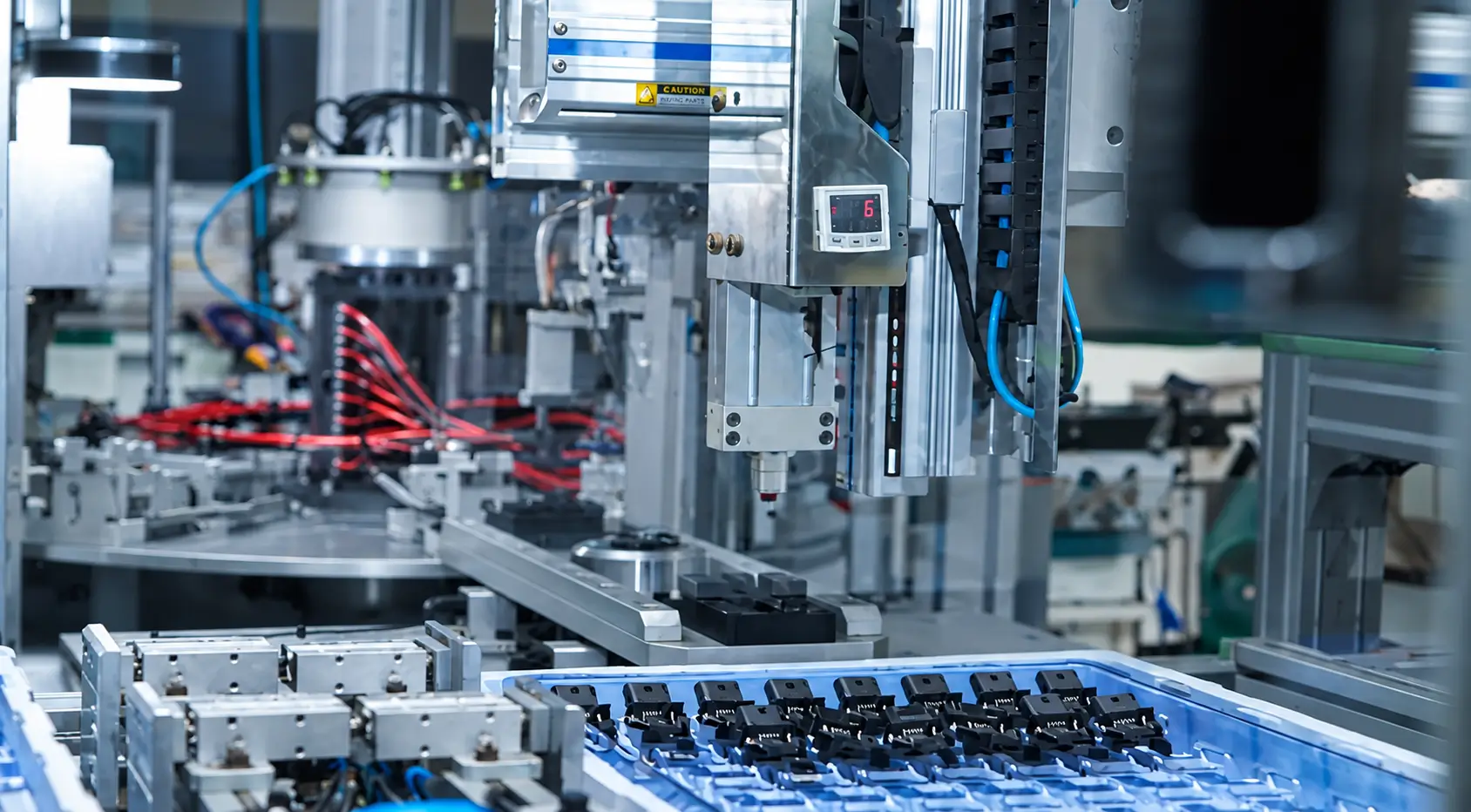
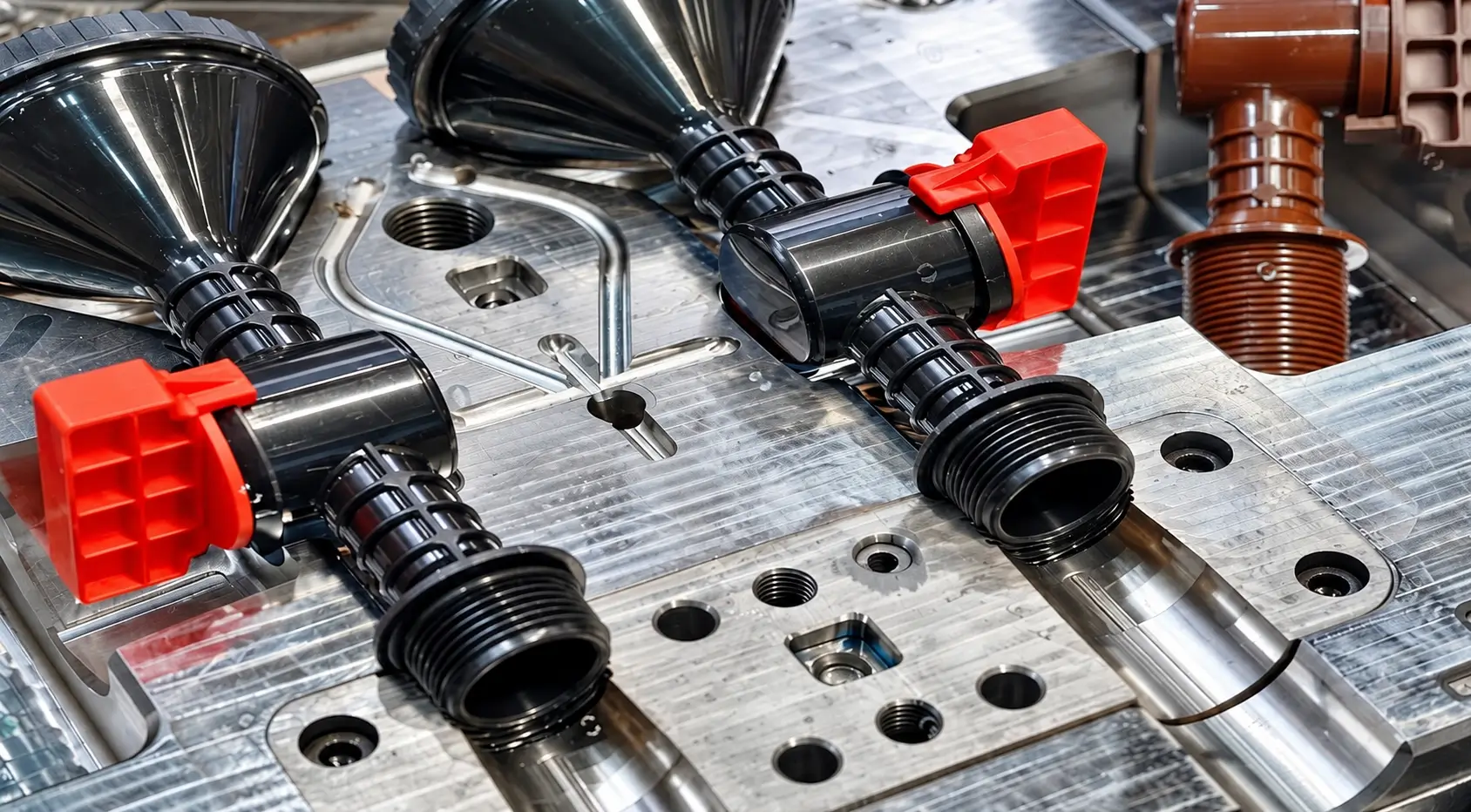
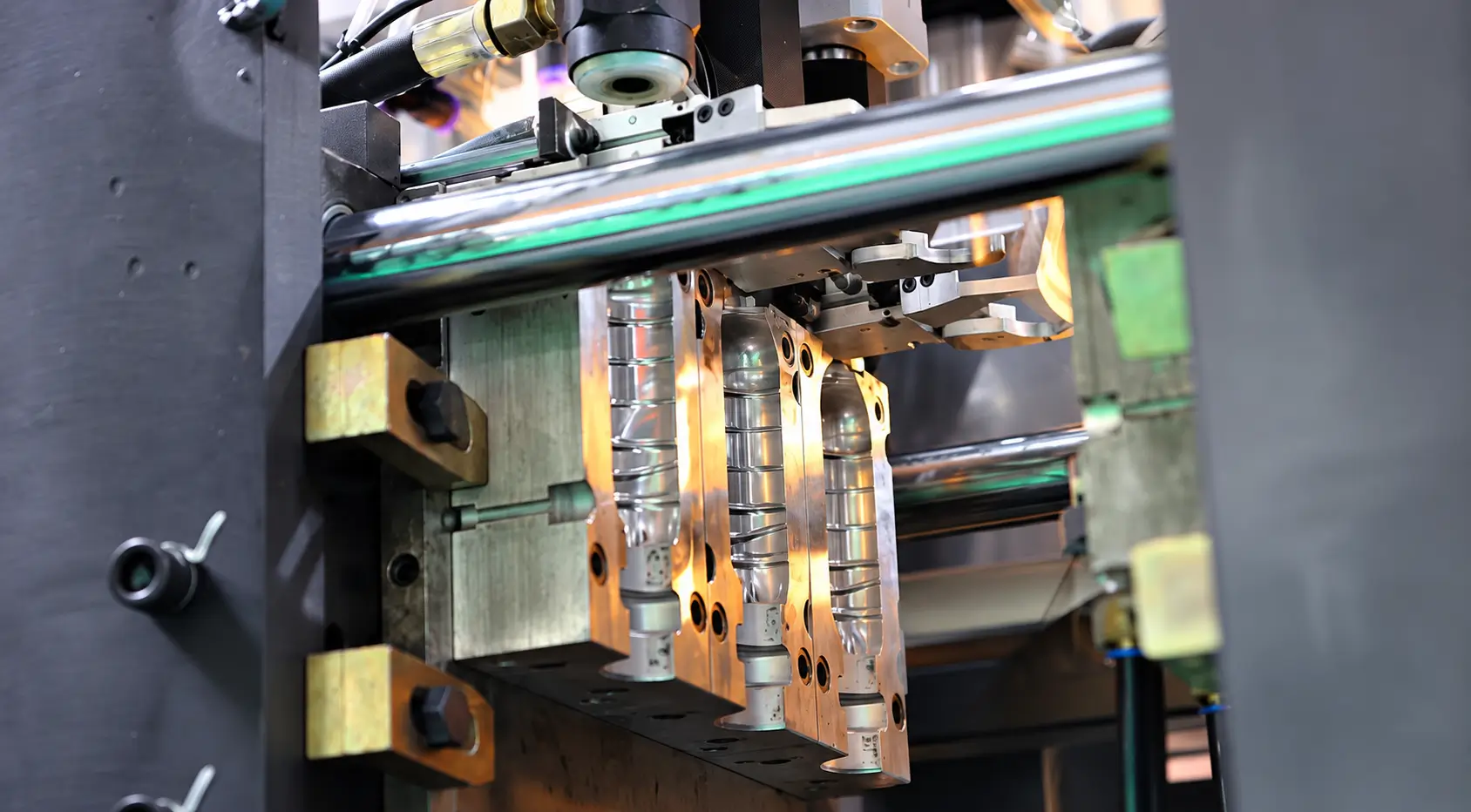
The foundation of any packaging is laid at the Plastic mould design stage, it enables plastic products to be manufactured accurately, consistently, and efficiently. Product geometry, material behaviour, mould construction, cooling, ejection, and production requirements are the key factors of a well-designed mould.
The accuracy of plastic mould design is the foundation that leads to achieving consistent product quality. It also results in reducing manufacturing issues, material waste, cycle times, and costly tooling modifications. The right design creates a strong connection between the product, the mould, and the overall manufacturing process, supporting reliable production at the required scale.
At Efficient Innovations, we combine engineering expertise with practical manufacturing experience to develop plastic mould solutions, aligned with product requirements, quality expectations, and production objectives.
What Is Plastic Mould Design?
The engineering process of plastic mould design is about developing a mould around the geometry, material, and production requirements of a plastic component. It plays a critical role in determining how the product will be formed, cooled, ejected, and produced consistently during manufacturing.
Product design and mould design particularly share an important relationship. Product geometry, wall thickness, draft angles, tolerances, and material selection can directly influence mould construction and manufacturability. Effective plastic mould design therefore helps translate a product concept into a reliable, repeatable plastic manufacturing process.
Our Plastic Mould Design Process
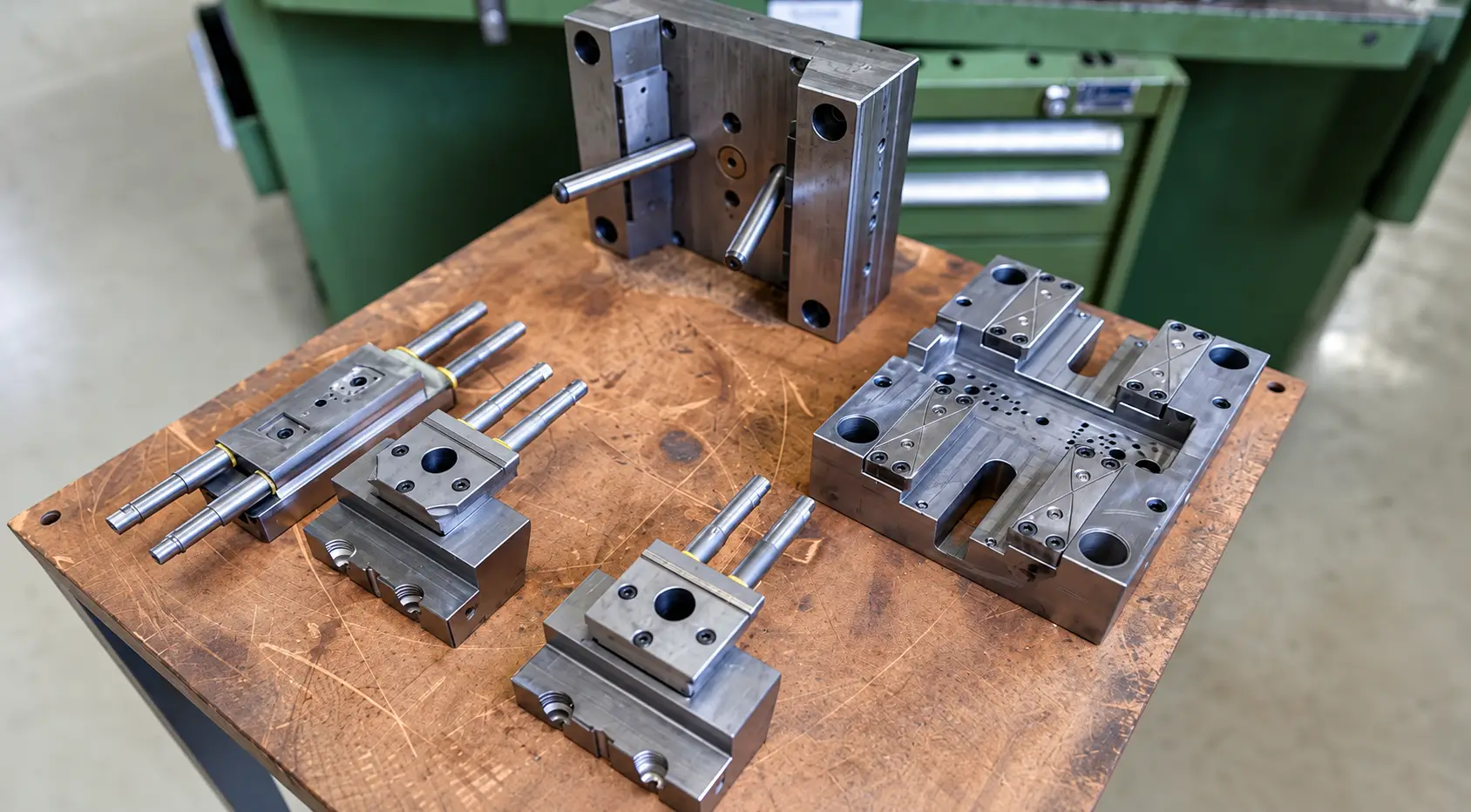
Our approach moves the plastic mould design, from requirement assessment through a detailed design and validation, and then only the mould is released for manufacturing. A structured design process helps ensure that the mould is aligned with the product, material, production volume, and manufacturing objectives from the outset.
Product & Design Requirement Analysis
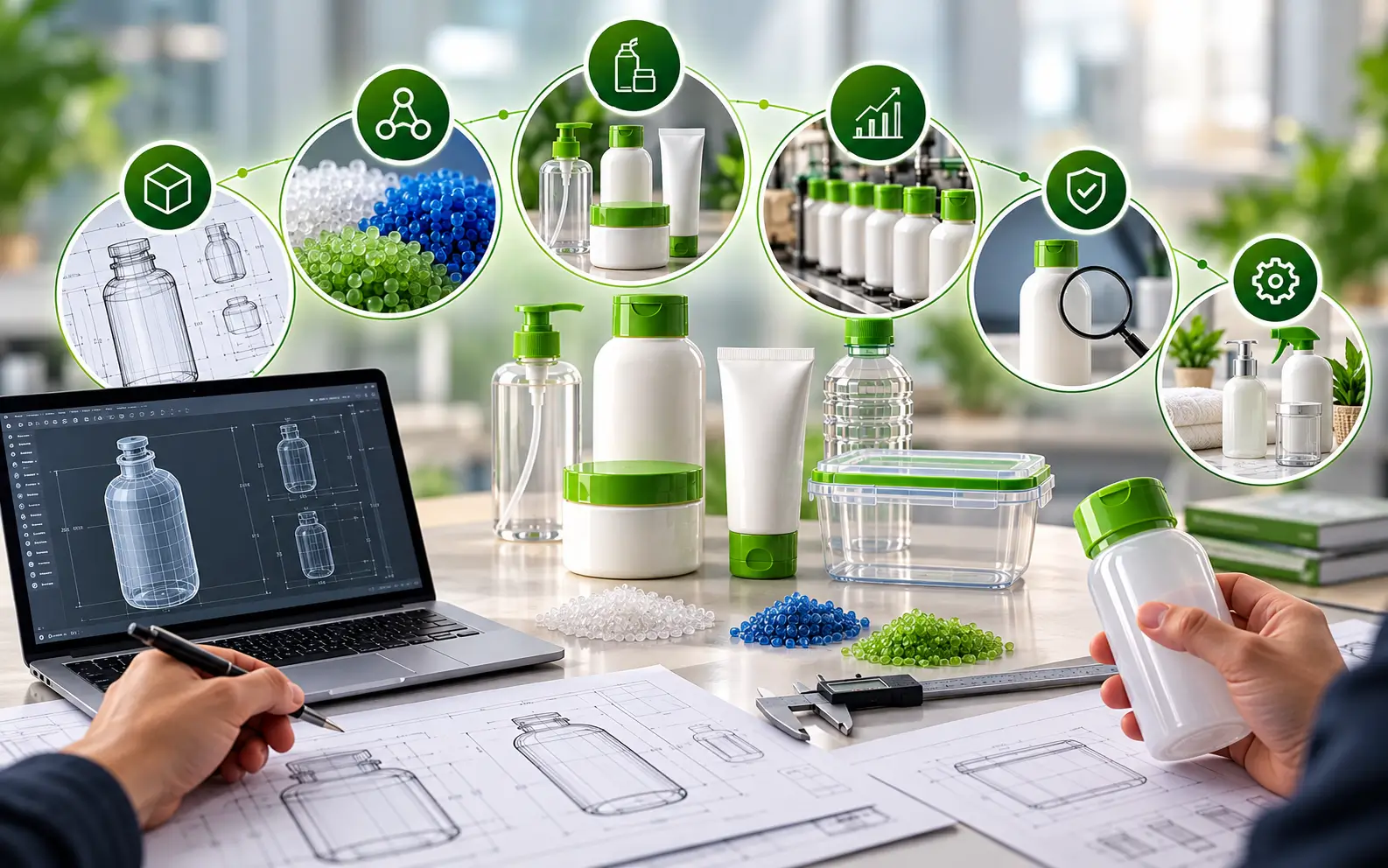
Reviewing the part geometry, material, dimensional requirements, production volume, quality expectations, and application conditions is where everything begins. This establishes the key design criteria and identifies potential manufacturing challenges early for the plastic mould design process.
3D CAD Modelling
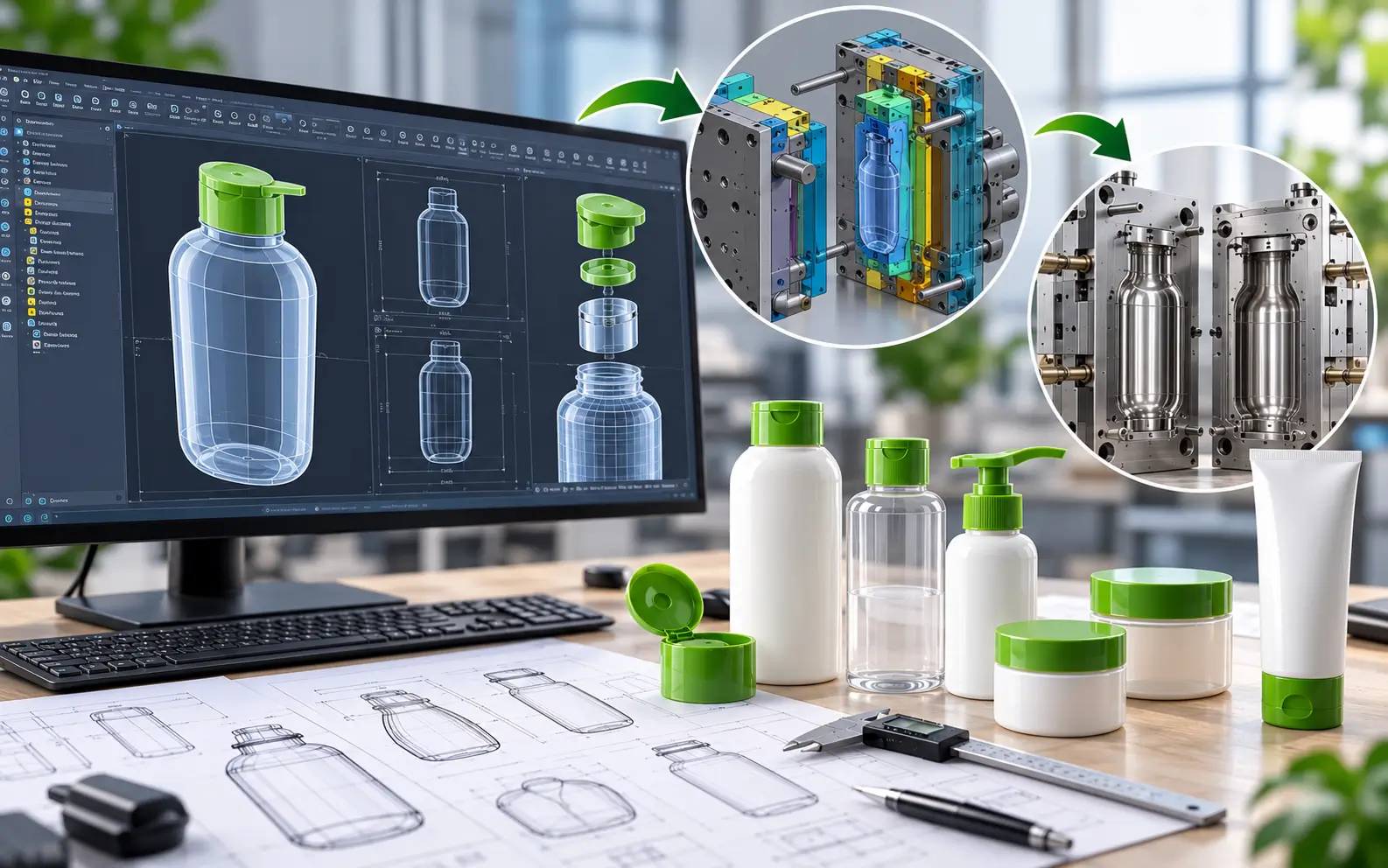
The development of components and moulds is done using 3D CAD to define accurate geometry and establish how individual mould elements will integrate. This provides a clear basis for design review, refinement, and downstream manufacturing.
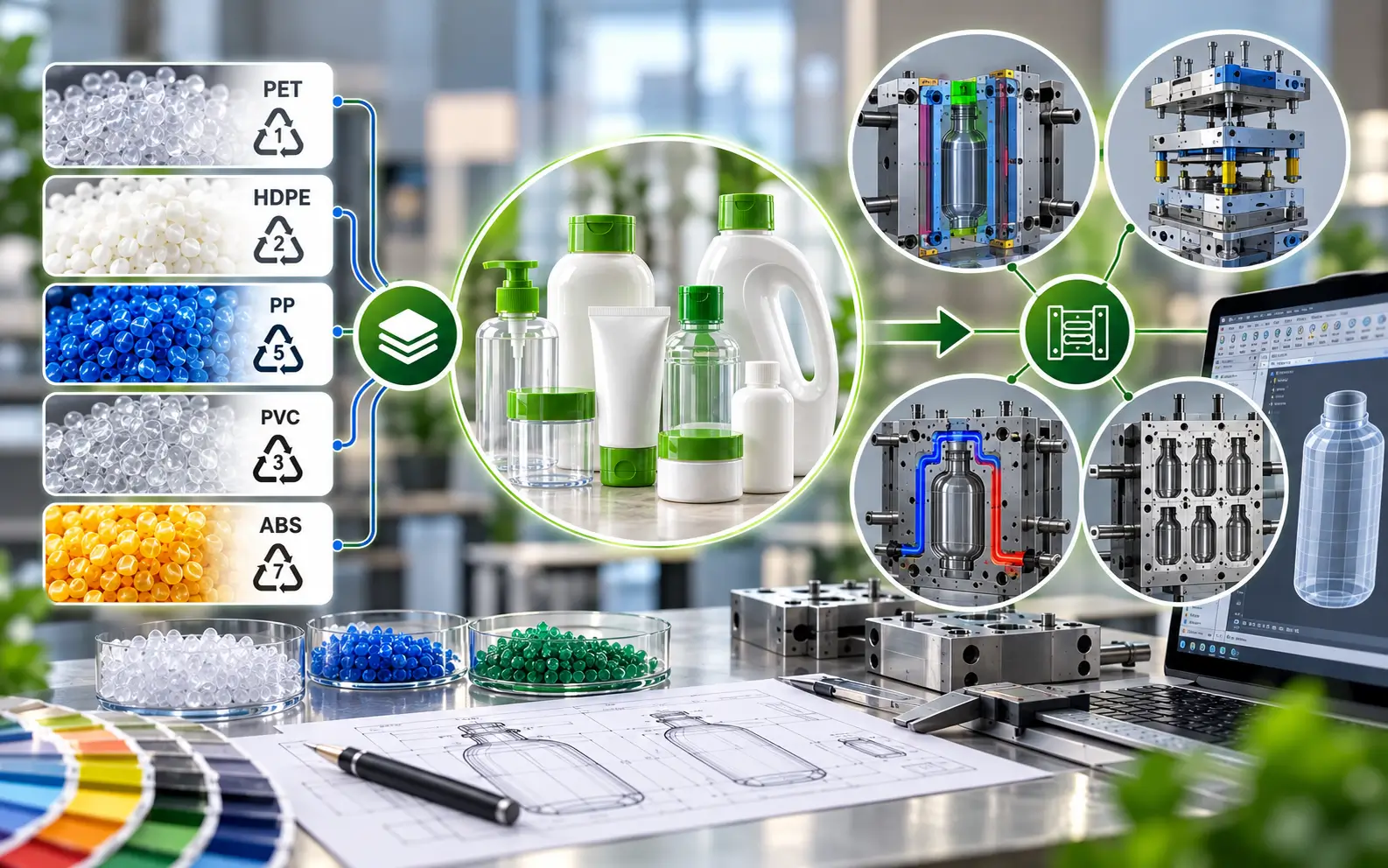
Material and Mould Concept Selection
The characteristics, production requirements, part complexity, and expected mould life of the material guide the selection of an appropriate mould concept. The objective here is to balance performance, manufacturability, durability, and overall tooling requirements.
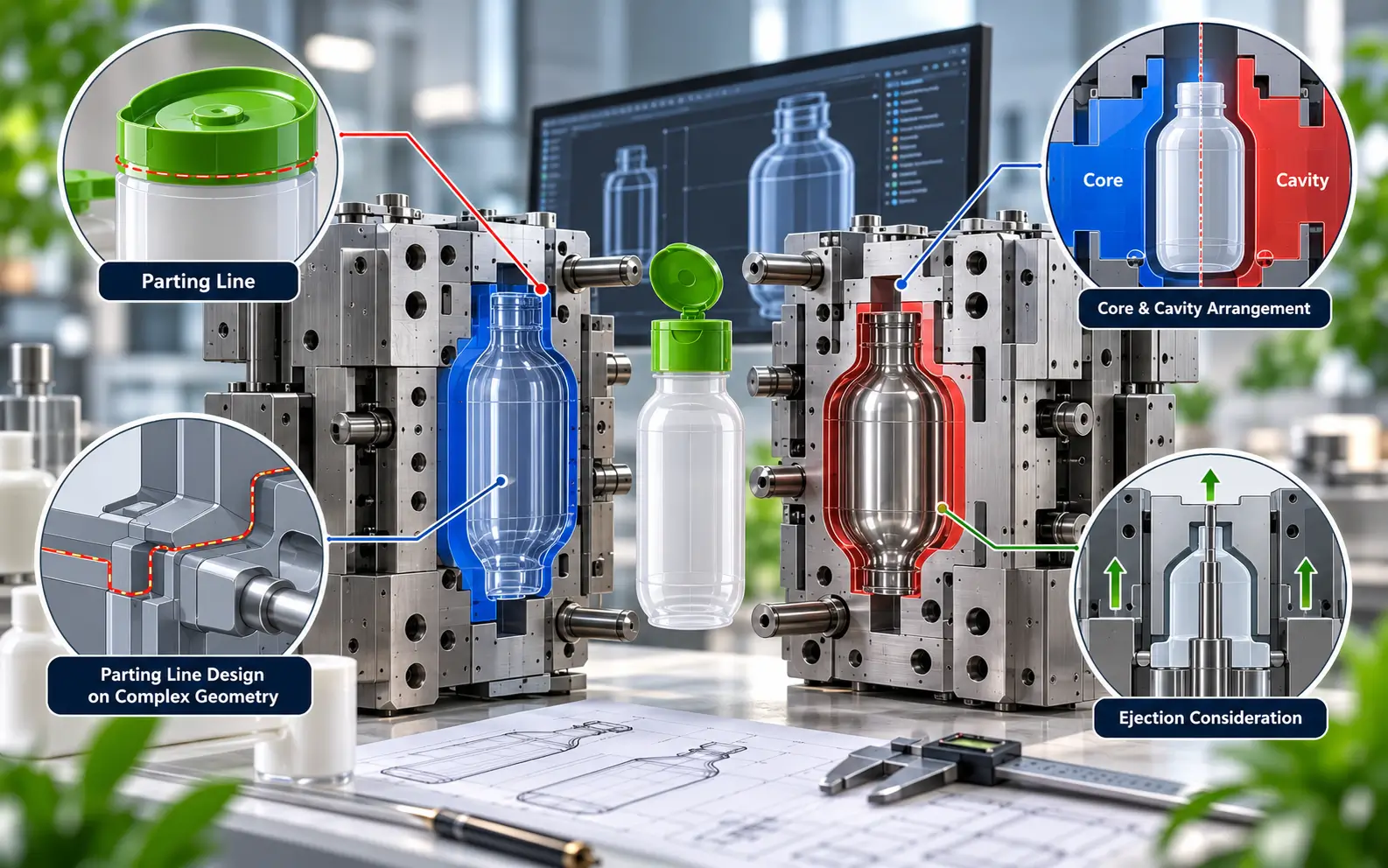
Parting Line and Core-Cavity Design
The parting line and core-cavity arrangement of the plastic mould design are established to achieve reliable mould opening, clean part release, and practical tooling construction. Geometry and ejection requirements are considered together to minimise potential production issues.
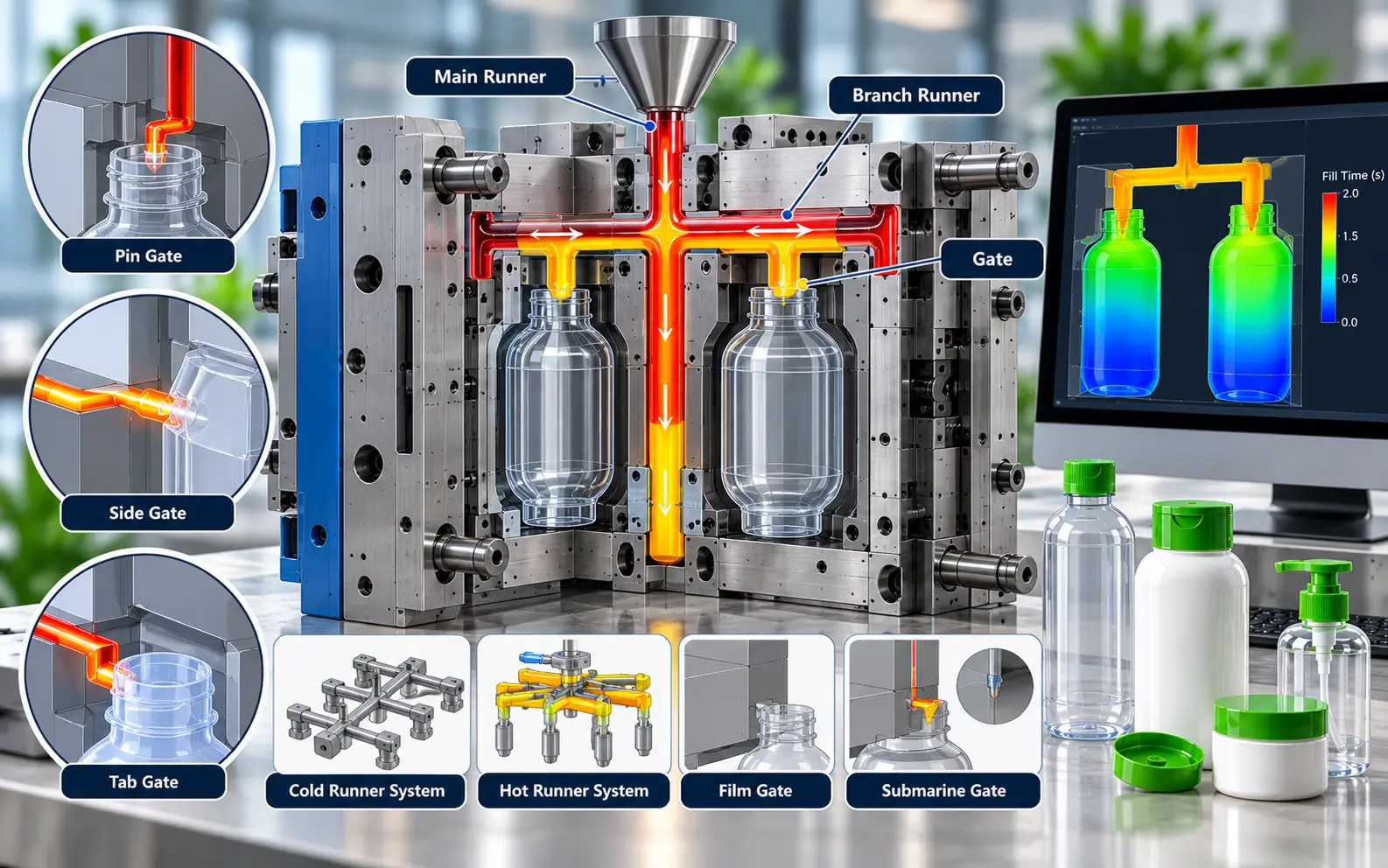
Runner and Gate Design
Runner and gate locations are planned to provide controlled and consistent filling of the cavity. The design considers flow behaviour, part geometry, weld lines, filling balance, and material usage.
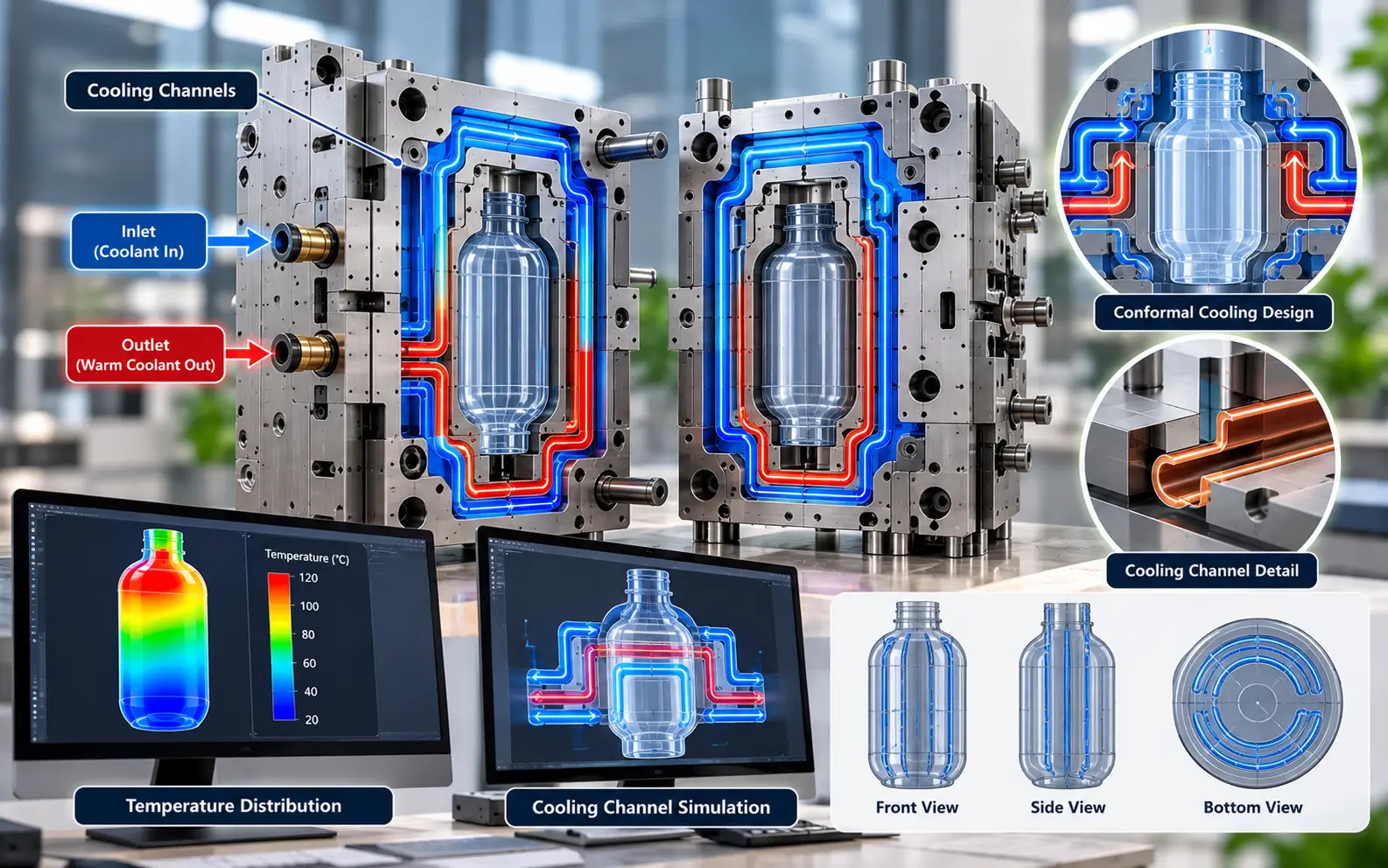
Cooling System Design
Cooling channels are positioned to support uniform heat removal across the mould. Effective cooling helps control cycle time, dimensional stability, and part consistency during production.
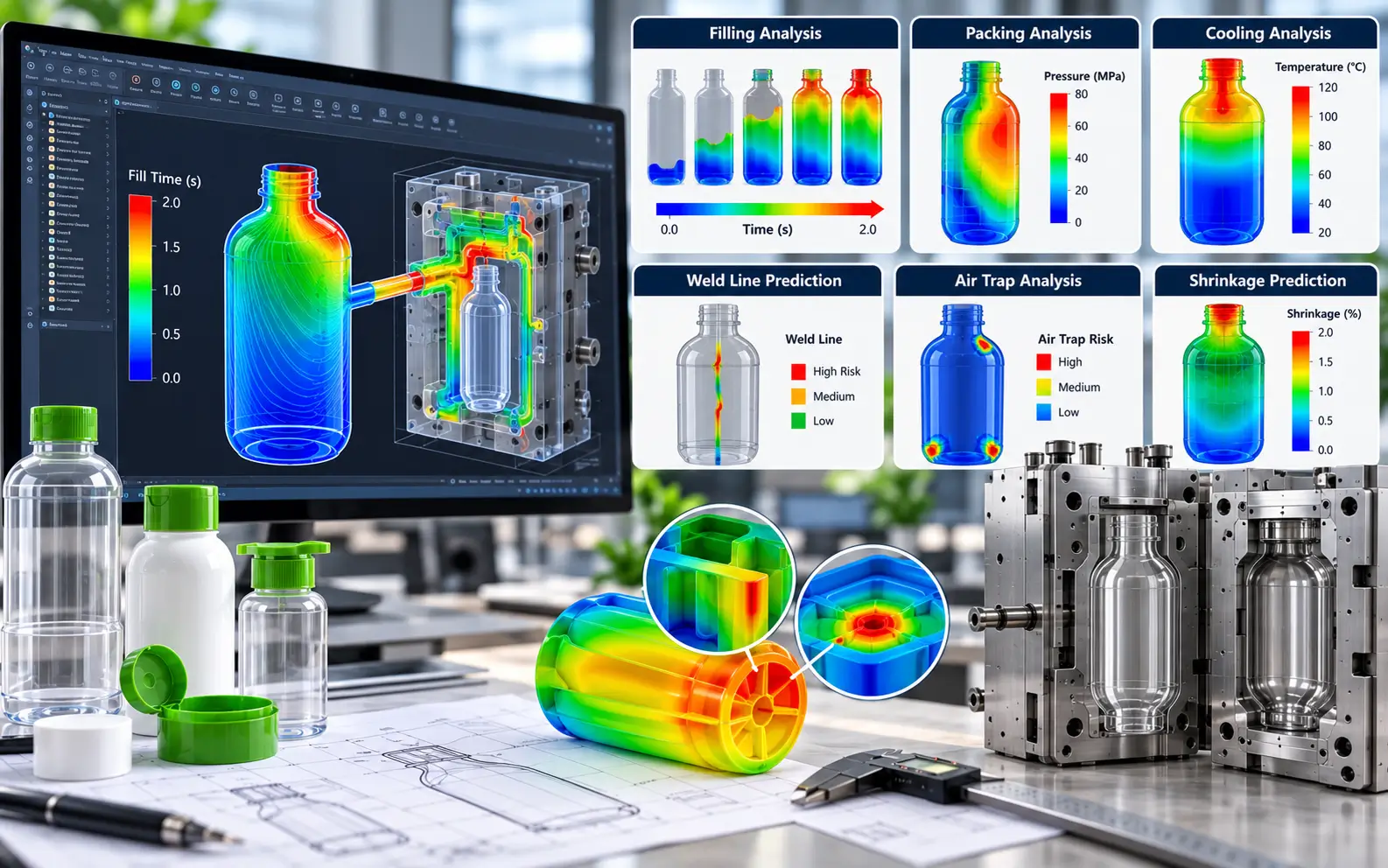
Mould Flow / Design Validation
Where required, mould flow analysis is used to assess filling, packing, cooling, and potential defects before tooling is manufactured. Findings from the analysis can be used to refine critical design parameters.
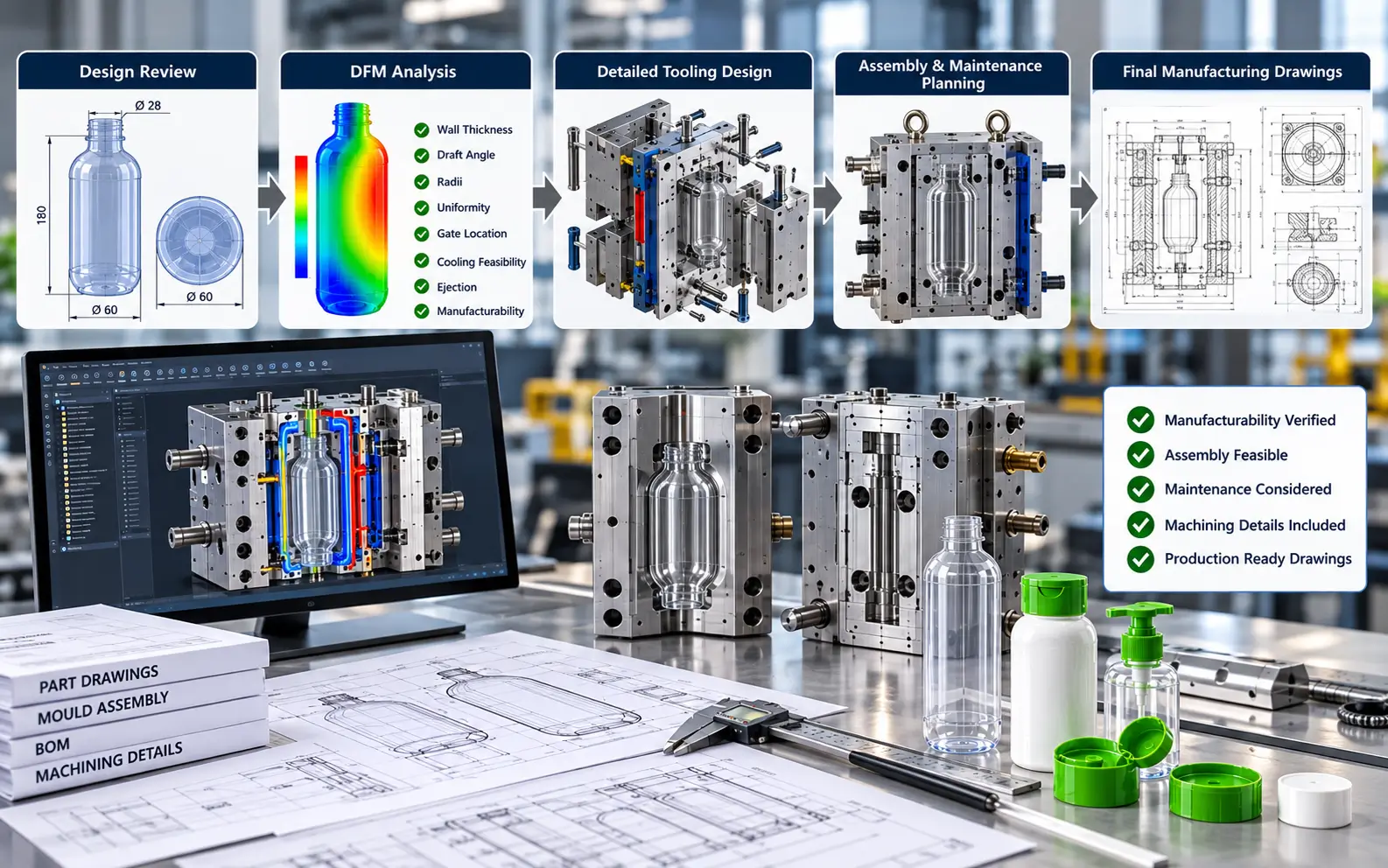
Final Design for Manufacturing
On the completion of a design, it is reviewed for manufacturability, assembly, maintenance, machining, and production requirements. Once the design is validated, detailed tooling information is prepared for plastic mould design to make it manufacturing ready.
Key Elements of Effective Plastic Mould Design
Effective mould design brings out a chain of interconnected elements together, helping achieve consistent part quality, efficient cycles, and reliable tool performance. Key considerations include:
Cavity and Core
Define the external and internal geometry of the component while supporting accurate moulding and part release.
Parting Line
Determines where the mould separates and should be positioned to minimise flash, simplify ejection, and maintain the required part appearance.
Gates
Control where molten plastic enters the cavity, influencing filling behaviour, weld lines, and gate marks.
Runners
Direct material from the sprue to the gates while maintaining balanced and efficient flow across the cavities.
Cooling Channels
Remove heat from the mould and help maintain consistent cycle times and dimensional stability.
Ejector System
Enables the moulded component to be released safely without damaging critical surfaces or features.
Draft Angles
Provide sufficient clearance for the part to separate from the mould surfaces without sticking or deformation.
Wall Thickness
Consistent, appropriately designed wall sections help reduce shrinkage, warpage, sink marks, and other moulding issues.
Factors to Consider When Designing a Plastic Mould
A plastic mould design should be done keeping in mind both the product requirements and the realities of production. Several factors influence the tooling concept, construction, cost, and long-term performance.
Plastic Material:
Each material comes with distinct properties such as shrinkage, flow behaviour, processing temperature, and reinforcement content influence cavity design, gating, cooling, and material selection.
Product Geometry:
Inclusion of complex features, undercuts, wall sections, ribs, bosses, and surface requirements can determine the mould configuration and ejection approach.
Production Volume:
Expected output influences the choice of mould construction, number of cavities, automation, and level of tooling investment.
Tolerances:
Required dimensional accuracy must be considered alongside material behaviour, mould construction, process variation, and expected shrinkage.
Cycle Time:
Multiple factors like cooling efficiency, mould layout, ejection, and machine settings all contribute to cycle time and overall production efficiency.
Mould Life:
Expected tool usage helps determine material grades, component specifications, surface treatments, and construction standards.
Machine Compatibility:
The mould must suit the injection moulding machine’s platen dimensions, clamping capacity, injection capacity, mould height, and other relevant operating parameters.
Common Plastic Mould Design Challenges
Challenges are inevitable; that is why even a well-planned tooling concept can encounter challenges. When material behaviour, part geometry, mould construction, and processing conditions interact, various shortcomings can emerge. Identifying these issues during the design stage can help improve part quality and reduce production problems.
- Warpage: Uneven shrinkage or residual stresses can cause the moulded component to distort after ejection. Balanced filling, wall thickness, and cooling are important for dimensional stability.
- Shrinkage: Plastic contracts as it cools, and the extent varies by material, geometry, and processing conditions. Appropriate shrinkage allowances help maintain the required dimensions.
- Air Traps: Air may become trapped within the cavity during filling, potentially causing burn marks, short shots, or surface defects. Proper venting and gate placement help provide an effective escape path.
- Uneven Cooling: Differences in cooling across the mould can lead to inconsistent shrinkage, warpage, and longer cycle times. Cooling channel layout and thermal balance are therefore critical.
- Sink Marks: Localised depressions can occur where thicker sections cool and contract unevenly, particularly around ribs and bosses. Wall thickness and packing conditions should be considered during design.
- Difficult Ejection: Insufficient draft, excessive moulded-in stress, or unsuitable ejector placement can make part removal difficult. The ejection system should provide controlled release without damaging the component.
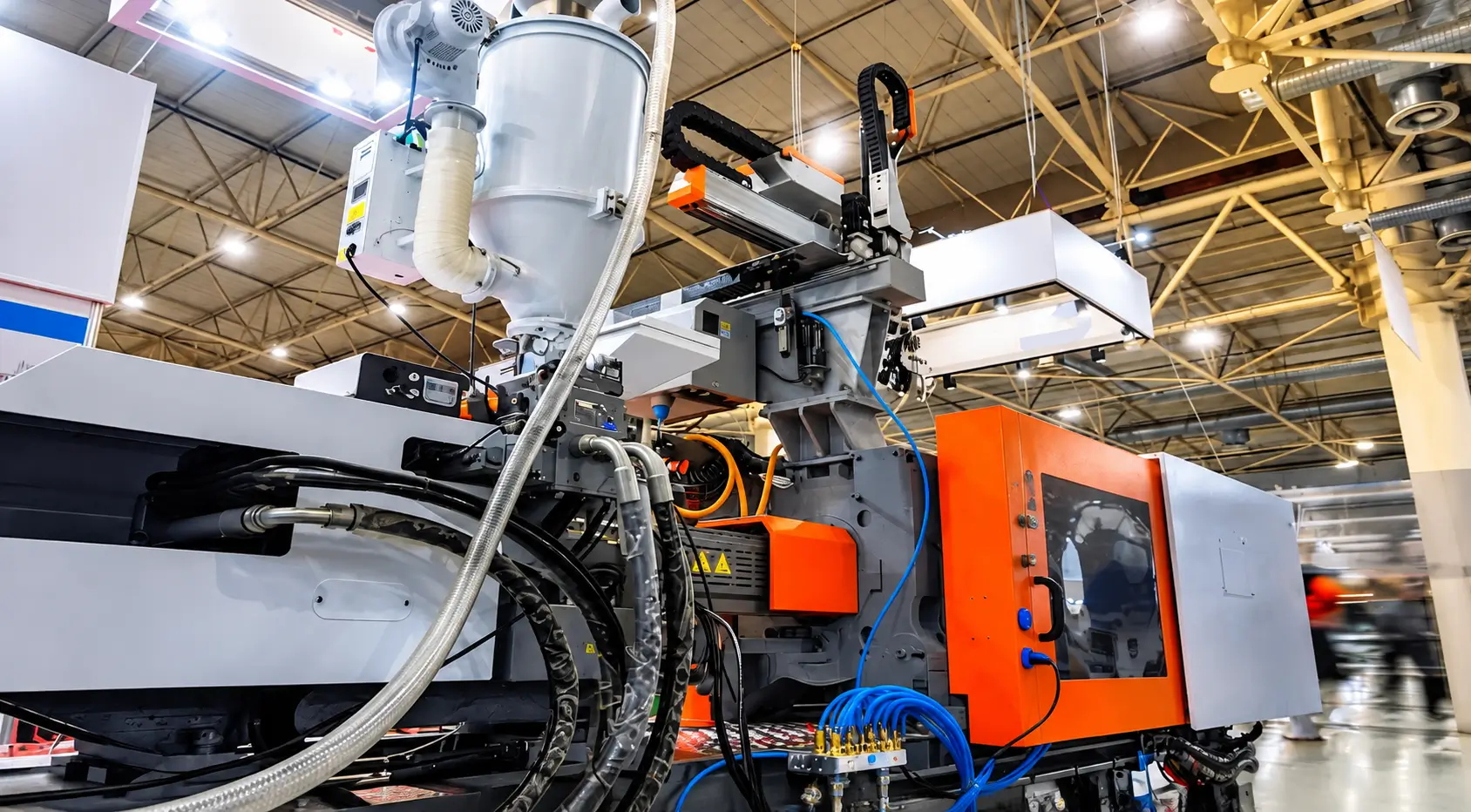
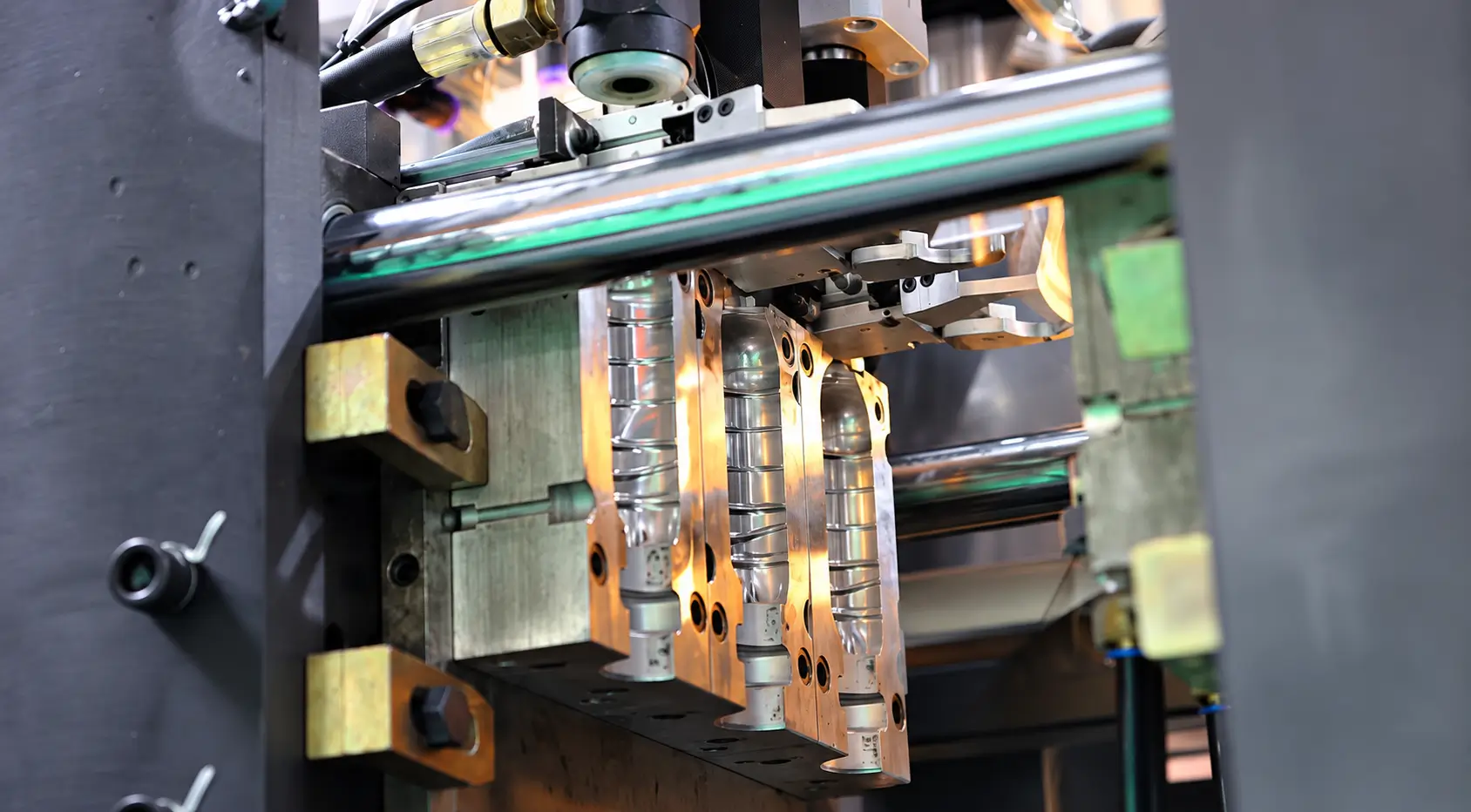
Benefits of Professional Plastic Mould Design
A well-engineered mould design results in a lot more than just accurate part production. It can improve process stability, tooling performance, and manufacturing efficiency throughout the mould’s operating life.
- Manufacturing Accuracy: Precise tooling geometry and appropriate tolerances help achieve consistent part dimensions, fit, and repeatability.
- Reduced Defects: Careful consideration of material flow, cooling, venting, ejection, and part geometry can minimise common moulding defects and rework.
- Better Cycle Times: Efficient runner layouts, cooling systems, and ejection mechanisms can contribute to shorter and more consistent production cycles.
- Longer Mould Life: Suitable tool materials, robust construction, and attention to wear-prone components can improve durability over repeated production cycles.
- Cost Efficiency: Reducing defects, downtime, maintenance, material waste, and unnecessary tooling modifications can lower the overall cost of production.
Applications of Plastic Mould Design
Plastic mould design plays an important role across rigid packaging and consumer product applications. Consistent dimensions, reliable moulding, and high-volume production are essential. Based on Efficient Innovations’ product development and tooling experience, relevant application areas include:
- Personal Care: Bottles, containers, closures, and other packaging components for personal care products.
- Deodorant & Aerosol Packaging: Actuators, roll-ons, spray components, and aerosol can tooling applications.
- Baby Care: Plastic packaging formats developed for baby care products across different sizes and configurations.
- Household Care: Bottles, containers, closures, and packaging formats used for detergents, fabric care, and household cleaning products.
- Oral Care: Toothbrush components and related moulded parts, supported by mould design review, qualification, and process optimisation.
- Food & Water Packaging: Rigid plastic packaging applications for food and water-related products.
- Skin Care, Beauty & Nutraceuticals: Product and packaging development requiring functional, dimensional, and aesthetic considerations.
- Refill & Reuse Packaging: Moulded packaging solutions supporting weight reduction, reuse, and more sustainable packaging approaches.
Why Choose Efficient Innovations for Plastic Mould Design?
Choosing the right technical partner for plastic mould design is crucial. It can directly influence tooling performance, product quality, and manufacturing efficiency. Efficient Innovations combines plastics industry expertise with design, development, mould qualification, and project management capabilities to support the complete tooling lifecycle.
- 30+ Years of Plastics Industry Experience
- End-to-End Technical Support
- Experienced Design & Engineering Team
- Global Tooling Expertise, with projects in 42+ countries
- Proven Mould Qualification Experience with 1,300+ injection moulds qualified & 23,500+ mould cavities qualified
- Data-Driven Validation & Testing
- Focus on Mould Lifecycle
With a combination of engineering expertise, global project experience, qualification capabilities, and lifecycle-focused support, Efficient Innovations helps businesses develop and manage plastic moulding solutions with greater technical control and consistency.
Clients We Work With
We collaborate with forward-thinking clients across industries.
Together, we turn ideas into measurable results.






FAQs About Plastic Mould Design
Looking for reliable plastic mould design support? Talk to Efficient Innovations.
Plastic mould design is the engineering process of developing a mould. The design is based on the product geometry, material, production requirements, and manufacturing process. It defines key elements such as the core, cavity, parting line, gating, cooling, and ejection system.
Software like CAD and various mould-design platforms such as Siemens NX, CATIA, PTC Creo, SolidWorks, and Autodesk Moldflow. The choice depends on the complexity of the component, design requirements, and validation needs.
The timeline depends on various factors, such as part complexity, mould configuration, number of cavities, material, tolerances, and validation requirements. A straightforward mould may require less design time, while complex tooling can require several design iterations and validation stages.
Factors like plastic material, product geometry, production volume, dimensional tolerances, cycle time, expected mould life, machine compatibility, cooling requirements, gating, and ejection affect the plastic mould design. These factors influence both the mould configuration and its manufacturing performance.
Mould design involves engineering the tooling concept, components, dimensions, layouts, and functional systems. Mould manufacturing is the physical production and assembly of those designed components through processes such as machining, EDM, fitting, and finishing.