Key Takeaways
- Discover why aerosol can tooling precision plays a much bigger role in product quality, pressure resistance, and manufacturing efficiency than most manufacturers realize.
- Explore how precision dies manufacturing and carbide inserts in tooling are transforming high-speed aerosol production through improved durability, accuracy, and reduced downtime.
- Learn the hidden tooling challenges that impact production performance and how expert optimization strategies help manufacturers achieve more reliable and cost-efficient operations.
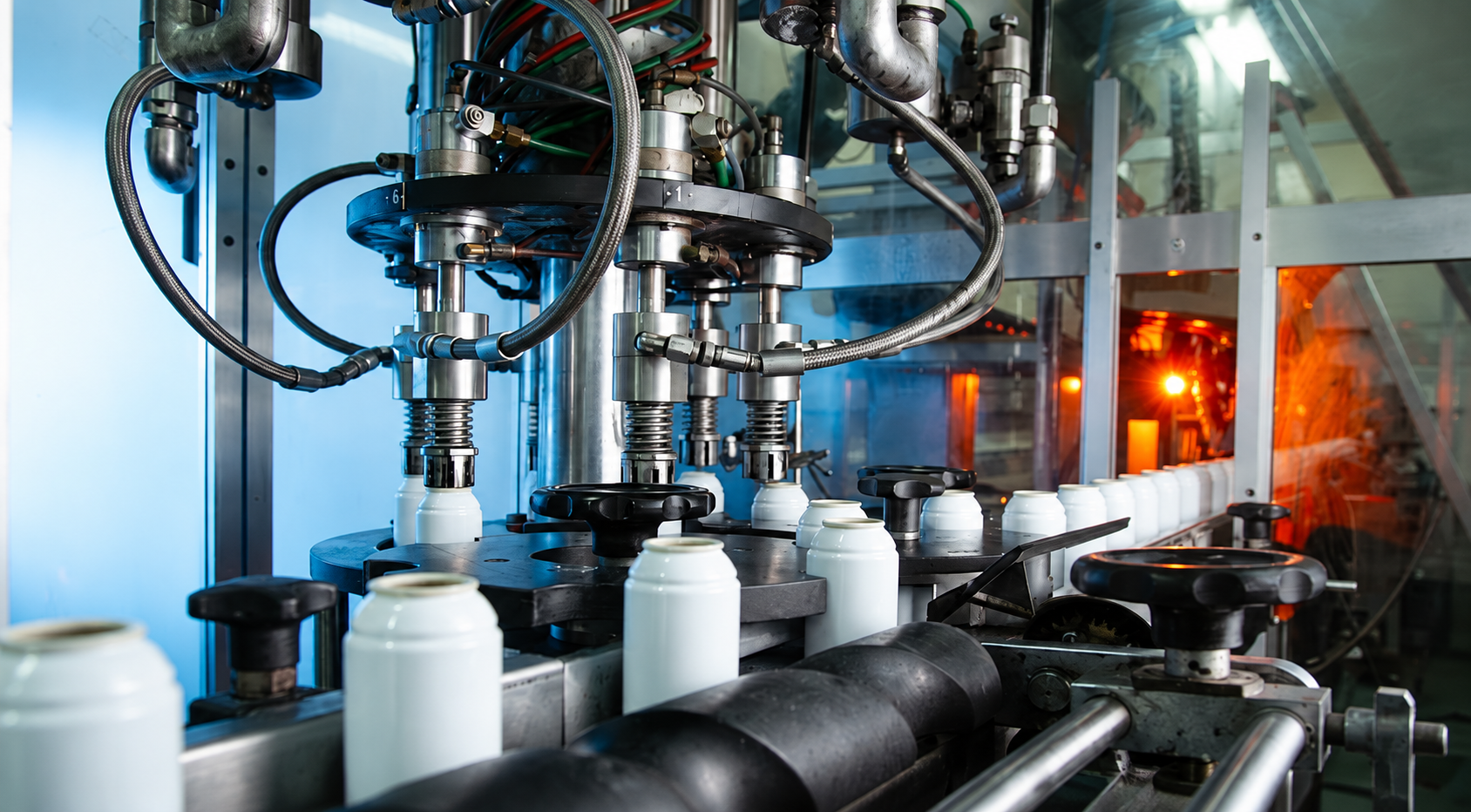
The quality of an aerosol can depends heavily on the precision and reliability of the tooling used throughout the manufacturing process. In high-speed production environments, even minor tooling inconsistencies can affect can shape, sealing performance, structural strength, and overall product quality. This is why aerosol can tooling, precision dies manufacturing, and carbide inserts in tooling play such a critical role in modern production systems.
Precision-engineered dies help maintain dimensional accuracy and consistency across millions of units, while carbide inserts improve tooling durability, wear resistance, and long-term operational stability. Together, they support manufacturing efficiency, production downtime reduction, and high tooling performance across demanding production cycles.
An experienced aerosol tooling consultant further strengthens the process by optimizing tooling design, improving die and insert manufacturing strategies, and identifying opportunities for tooling optimization services that enhance product consistency, operational efficiency, and long-term cost control.
Backbone of Aerosol Can Manufacturing
The aerosol can manufacturing process involves multiple high-precision stages including forming, trimming, necking, shaping, and sealing. Each step requires tooling systems capable of operating with extreme accuracy and consistency under continuous production conditions.
Precision tooling in manufacturing is essential because even the smallest deviation can lead to defects such as leakage, uneven wall thickness, poor sealing, or structural weakness. These issues not only affect product quality but can also increase material waste, maintenance costs, and production downtime.
This is where industrial tooling solutions such as precision dies manufacturing and carbide inserts in tooling become critical. Their ability to maintain dimensional stability and long-term tooling durability directly impacts manufacturing efficiency and overall production reliability.
An experienced tooling consultant can help manufacturers optimize tooling performance, improve production consistency, and implement industrial automation tooling strategies that support scalable and cost-efficient aerosol can production.
Understanding Precision Dies in Aerosol Can Production
Precision dies are one of the most critical components in the aerosol can manufacturing process. They are responsible for shaping, trimming, forming, and refining aerosol cans with high dimensional accuracy and consistency across large-scale production environments. The quality of aerosol can tooling directly depends on how well these dies perform under continuous operational pressure.
Modern precision dies manufacturing focuses not only on accuracy but also on tooling durability, wear resistance, and long-term manufacturing efficiency. Poorly designed or worn-out dies can lead to defects, material waste, production downtime, and inconsistent product quality.
An experienced tooling consultant plays an important role in improving tooling design, optimizing die performance, and extending tooling lifecycle through specialized tooling optimization services. Their expertise helps manufacturers reduce operational risks, improve die and insert manufacturing quality, and maintain stable high-performance tooling systems that support scalable aerosol production.
Types of Precision Dies Used in Aerosol Manufacturing
Different stages of aerosol can production require specialized die systems designed to perform under high-speed manufacturing conditions while maintaining tight tolerances and consistent output quality.
Precision tooling in manufacturing focuses heavily on:
- Tight dimensional tolerances for consistent can geometry
- High wear resistance for extended tooling durability
- Superior material quality for pressure handling and reliability
- Reduced maintenance needs and production downtime reduction
These industrial tooling solutions are essential for maintaining production accuracy and operational efficiency throughout the aerosol can manufacturing process.
How Die Accuracy Impacts Can Performance and Safety
Die precision directly affects the structural integrity, pressure resistance, and sealing reliability of aerosol cans. Even small inaccuracies can create defects that compromise both product quality and consumer safety.
Common precision dies used in aerosol production include:
- Trimming dies for accurate can height and edge finishing
- Doming dies for strengthening the can base and improving pressure stability
- Redraw dies for refining can dimensions and wall consistency
High die accuracy helps manufacturers reduce leakage risks, improve can performance, and maintain consistent product quality across high-volume production runs.
Carbide Inserts: The Game-Changer in Tool Durability
Carbide inserts in tooling have become essential for improving tooling durability and maintaining long-term production stability in demanding manufacturing environments. Their superior hardness and wear resistance make them ideal for high-speed aerosol can production operations.
Key carbide tooling benefits include:
- Improved resistance to wear, heat, and pressure
- Longer tooling life with reduced replacement frequency
- Better dimensional consistency across production cycles
- Reduced production downtime and maintenance interruptions
By improving tooling stability and precision, carbide inserts help manufacturers prevent leakage issues, maintain pressure resistance, and support more reliable aerosol can tooling performance over extended production periods.
Why Carbide Inserts Are Preferred Over Traditional Materials
In high-speed aerosol can tooling operations, tooling materials must withstand constant pressure, friction, and repetitive production cycles without losing precision. This is why carbide inserts in tooling are widely preferred over traditional materials such as standard tool steel in modern aerosol can manufacturing processes.
Carbide materials offer significantly higher hardness, superior wear resistance, and longer operational life compared to conventional tooling materials. These properties make carbide inserts ideal for demanding industrial tooling solutions where dimensional accuracy, tooling durability, and consistent production quality are critical.
Key carbide tooling benefits include:
- Exceptional resistance to wear and deformation
- Higher thermal stability during continuous production
- Improved dimensional precision over longer production runs
- Reduced maintenance frequency and tooling replacement costs
These advantages help manufacturers maintain high-performance tooling systems while improving manufacturing efficiency and long-term operational reliability.
Impact of Carbide Inserts on Production Efficiency
The difference between steel tooling and carbide tooling becomes especially noticeable in high-volume aerosol can production environments. Traditional steel inserts tend to wear faster under repetitive stress, leading to dimensional inconsistencies, frequent maintenance, and increased production downtime.
In comparison, carbide inserts provide:
- Longer tooling lifespan and fewer production interruptions
- More stable production tolerances across extended runs
- Reduced downtime for tooling replacement and repairs
- Higher production output with consistent quality performance
By improving tooling precision and operational reliability, carbide inserts directly support production downtime reduction and more efficient industrial automation tooling systems.
Common Tooling Challenges in Aerosol Manufacturing
Aerosol can manufacturers often face tooling-related challenges that can impact production quality, operational speed, and cost efficiency. High-speed manufacturing environments place extreme stress on tooling systems, making durability and precision critical for stable operations.
Common challenges include:
- Tool wear causing dimensional inaccuracies
- Frequent maintenance interruptions and downtime
- Leakage risks due to inconsistent forming precision
- Reduced can strength and pressure resistance
- Higher operational costs from repeated tooling replacements
Using carbide inserts in tooling helps manufacturers overcome many of these issues by improving tooling durability, maintaining precision under pressure, and enabling higher output with fewer production disruptions.
Tool Wear and Maintenance Issues
Tool wear is one of the most common operational challenges in the aerosol can manufacturing process. Continuous high-speed production places significant stress on aerosol can tooling, leading to gradual wear, dimensional inaccuracies, and declining tooling performance over time. If not managed properly, these issues can directly impact product quality, manufacturing efficiency, and overall production stability.
Common tooling problems include:
- Wear on precision dies and carbide inserts
- Tool misalignment affecting can dimensions and sealing accuracy
- Surface damage caused by friction and repetitive production cycles
- Increased maintenance frequency and unplanned downtime
These challenges often result in higher operational costs, material waste, and reduced production efficiency. Poor tooling performance can also create inconsistencies in can thickness, pressure resistance, and overall product reliability.
Implementing tooling optimization services and using high-performance tooling materials such as carbide inserts in tooling can significantly improve tooling durability and reduce maintenance-related disruptions. Proper maintenance schedules, alignment monitoring, and precision tooling in manufacturing also help manufacturers achieve production downtime reduction while maintaining stable, high-quality output across large-scale aerosol production lines.
Conclusion
Precision tooling is at the heart of a reliable and efficient aerosol can manufacturing process. From precision dies manufacturing and carbide inserts in tooling to advanced industrial tooling solutions, every component plays a critical role in maintaining product quality, tooling durability, and manufacturing efficiency across high-speed production environments.
As aerosol production demands continue to grow, manufacturers must focus on reducing production downtime, improving tooling performance, and maintaining consistent can integrity through high-performance tooling systems. The use of carbide inserts, precision tooling in manufacturing, and proactive tooling optimization services can significantly improve operational stability and long-term cost efficiency.
Companies like Efficient Innovations support manufacturers with specialized expertise in aerosol can tooling, die and insert manufacturing, and tooling lifecycle optimization, helping businesses achieve greater production reliability, operational efficiency, and long-term manufacturing performance.
FAQs
What is aerosol can tooling and why is it important?
Aerosol can tooling includes the precision dies, inserts, and forming components used throughout the aerosol can manufacturing process. These tooling systems are essential for maintaining dimensional accuracy, can strength, sealing quality, and manufacturing efficiency during high-speed production. Proper aerosol can tooling also helps reduce defects, downtime, and long-term operational costs.
How do precision dies affect aerosol can quality?
Precision dies manufacturing directly impacts aerosol can shape, wall thickness, pressure resistance, and sealing consistency. Accurate dies help manufacturers maintain stable production quality while reducing material waste and operational inefficiencies. Poor die precision can lead to leakage, structural weakness, dimensional inconsistencies, and increased production downtime across manufacturing operations.
What are carbide inserts used for in manufacturing?
Carbide inserts in tooling are used to improve wear resistance, cutting precision, and tooling durability in demanding manufacturing environments. In aerosol can production, they help maintain dimensional accuracy, reduce maintenance frequency, and support high-performance tooling operations under continuous production pressure and repetitive forming cycles.
Why are carbide inserts better than steel tools?
Carbide inserts offer greater hardness, superior wear resistance, and longer operational life compared to traditional steel tools. They maintain precision for extended production runs, reduce tooling replacement frequency, and improve manufacturing efficiency. These carbide tooling benefits help manufacturers achieve production downtime reduction and more reliable high-speed industrial automation tooling performance.
What are common problems in aerosol can tooling?
Common problems in aerosol can tooling include tool wear, die misalignment, dimensional inaccuracies, surface damage, and inconsistent forming quality. These issues can lead to leakage, weak can structures, production downtime, and higher maintenance costs. Poor tooling durability and improper die and insert manufacturing can also reduce manufacturing efficiency and increase material waste during high-speed aerosol can production.