
Plastic Injection Moulding Company
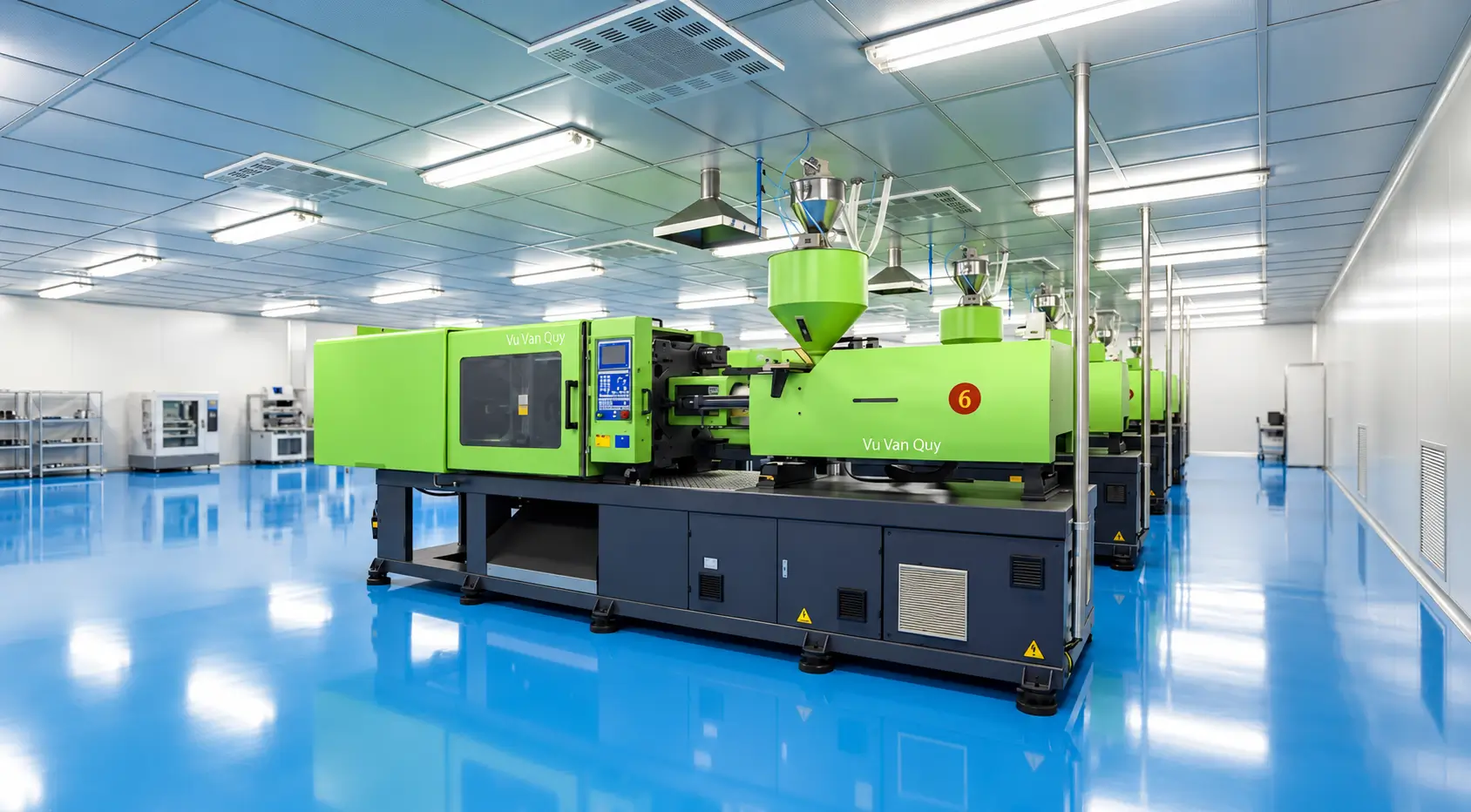
Plastic Injection Moulding Company for Precision Manufacturing
Efficient Innovations is a leading plastic injection moulding company focused on technical consultancy, mould qualification and manufacturing support for rigid plastic packaging and injection moulding applications. Our expertise covers various services like, injection mould design review, Scientific Injection Moulding, process optimisation, mould qualification, troubleshooting and production readiness, helping convert tooling and process requirements into stable manufacturing outcomes.
We have worked across a range of plastic packaging components and products, including deodorant packs, personal care products, household care packaging, food and water packaging, IC tubs and lids, oral care products and toothbrushes.
Our industry experience spans FMCG and consumer packaging applications, including personal care, deodorant, baby care, household care, food and water, oral care, skin care, beauty and nutraceutical products.
At Efficient Innovations, we provide services from mould design review and process setup to qualification, commissioning and production support. We bring engineering, tooling and process expertise together to support reliable injection moulding at production scale.
What Is Plastic Injection Moulding?
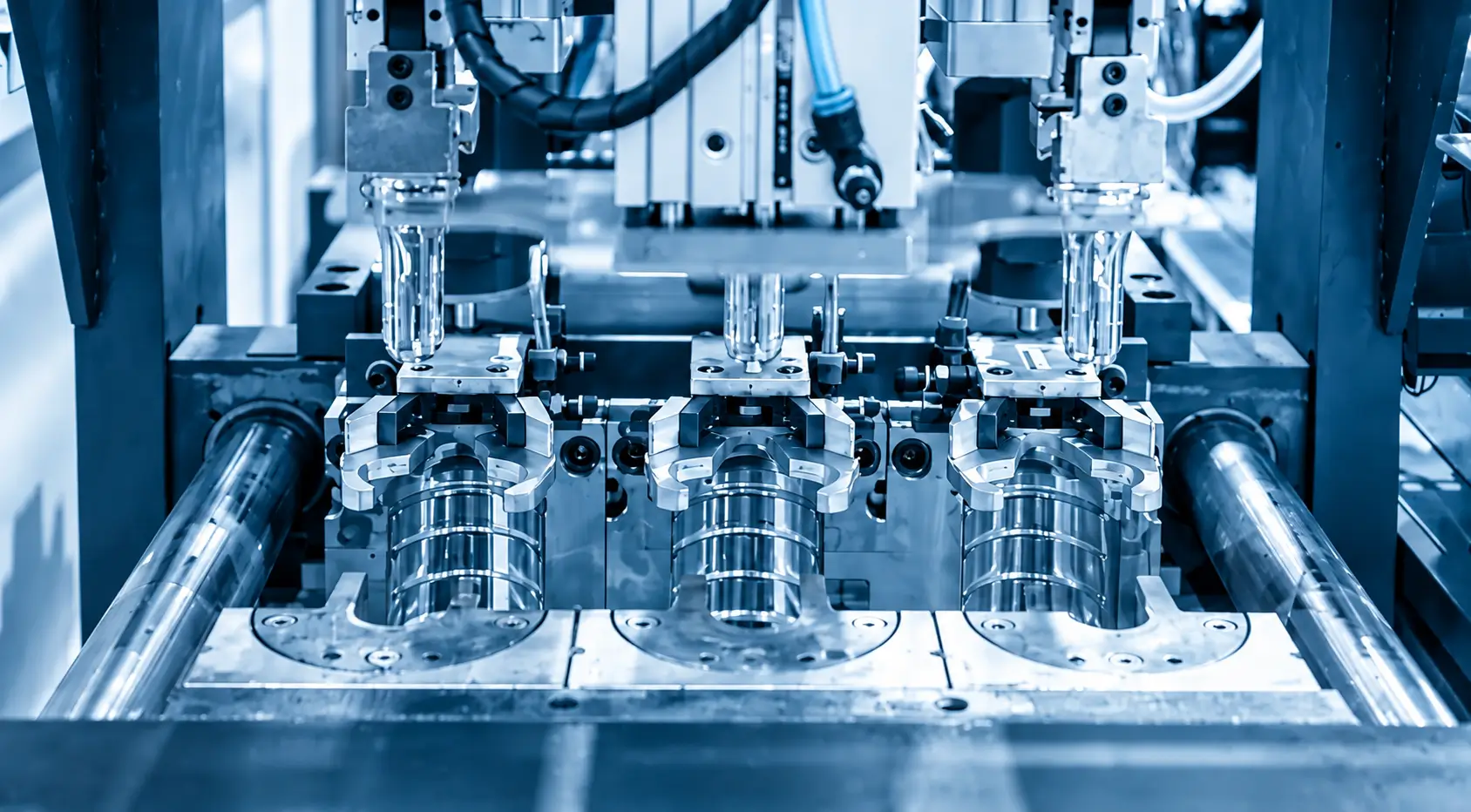
Plastic injection moulding is a manufacturing process, in which plastic components are produced by processing plastic material through an injection mould and controlling the conditions required to achieve the desired part quality and consistency.
The process involves closely managing parameters such as viscosity, fill balance, hold pressure, gate freeze, cooling time, clamping force and process capability to establish a stable moulding process.
At Efficient Innovations, injection moulding support includes not only injection mould design but also process optimisation, mould qualification, machine compatibility, part validation, and production readiness. This helps ensure that the mould, machine and process work together effectively in high-volume manufacturing.
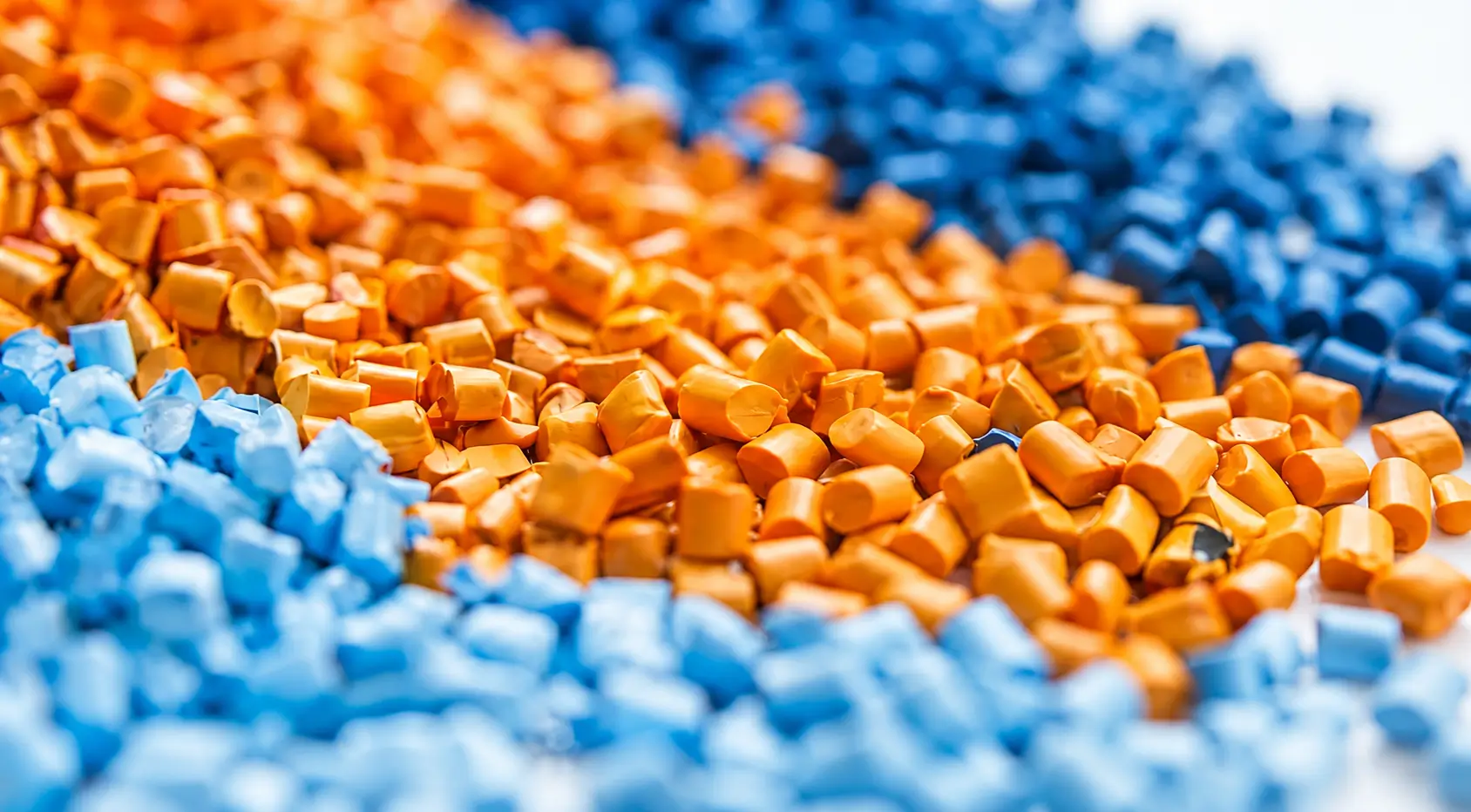
Our Plastic Injection Moulding Process
A stable injection moulding process depends on the right coordination of material, mould, machine and process conditions. Our approach focuses on establishing and validating these parameters for consistent part quality and production performance.
Material Preparation
Align the material and processing setup with the requirements of the plastic being moulded and the agreed trial conditions before production runs.
Mould Setup
Mould is set up with the required water connections, hydraulics and injection moulding machine compatibility, ensuring the equipment configuration is suitable for the process.
Plastic Injection
Optimise injection conditions through studies covering viscosity, fill balance, hold pressure, gate freeze, clamping force and process capability to establish a robust process window.
Cooling
Evaluate cooling time and cooling setup as part of process optimisation to achieve stable cycle times and consistent component quality.
Ejection
Assess mould functioning and ejection performance during extended trials to identify any issues that could affect reliable mould operation and part quality.
Quality Inspection
Validate the moulded component against aesthetic, dimensional and functional requirements, while monitoring part quality throughout the production trial.
Injection Mould Design and Development
Injection mould design directly influences moulding performance, part quality and production stability. At Efficient Innovations, mould development support extends from design review and tool build through trials, qualification and commissioning, with attention to machine compatibility and process requirements.
Mould Structure
The mould structure must accommodate the required components, connections and operating conditions while remaining suitable for the intended injection moulding machine. Design reviews also help identify technical risks before tool development progresses.
Core and Cavity
The core and cavity are where the geometry of the moulded component is defined. Their design needs to support the required part dimensions, functionality and repeatable moulding performance.
Gate and Runner System
The gate and runner system controls how molten plastic reaches the mould cavity. Its design influences filling behaviour, part quality and process stability. During mould qualification, fill balance and other process studies are used to assess moulding performance.
Cooling System
Cooling is a key part of injection moulding because it affects cycle time, dimensional stability and production consistency. Efficient Innovations evaluates cooling conditions during process studies and supports mould and cooling optimisation where required.
Ejection System
The ejection system enables the moulded component to be released from the tool after cooling. Ejection performance is assessed as part of overall mould functioning and can be reviewed alongside other mould-related issues during trials and audits.
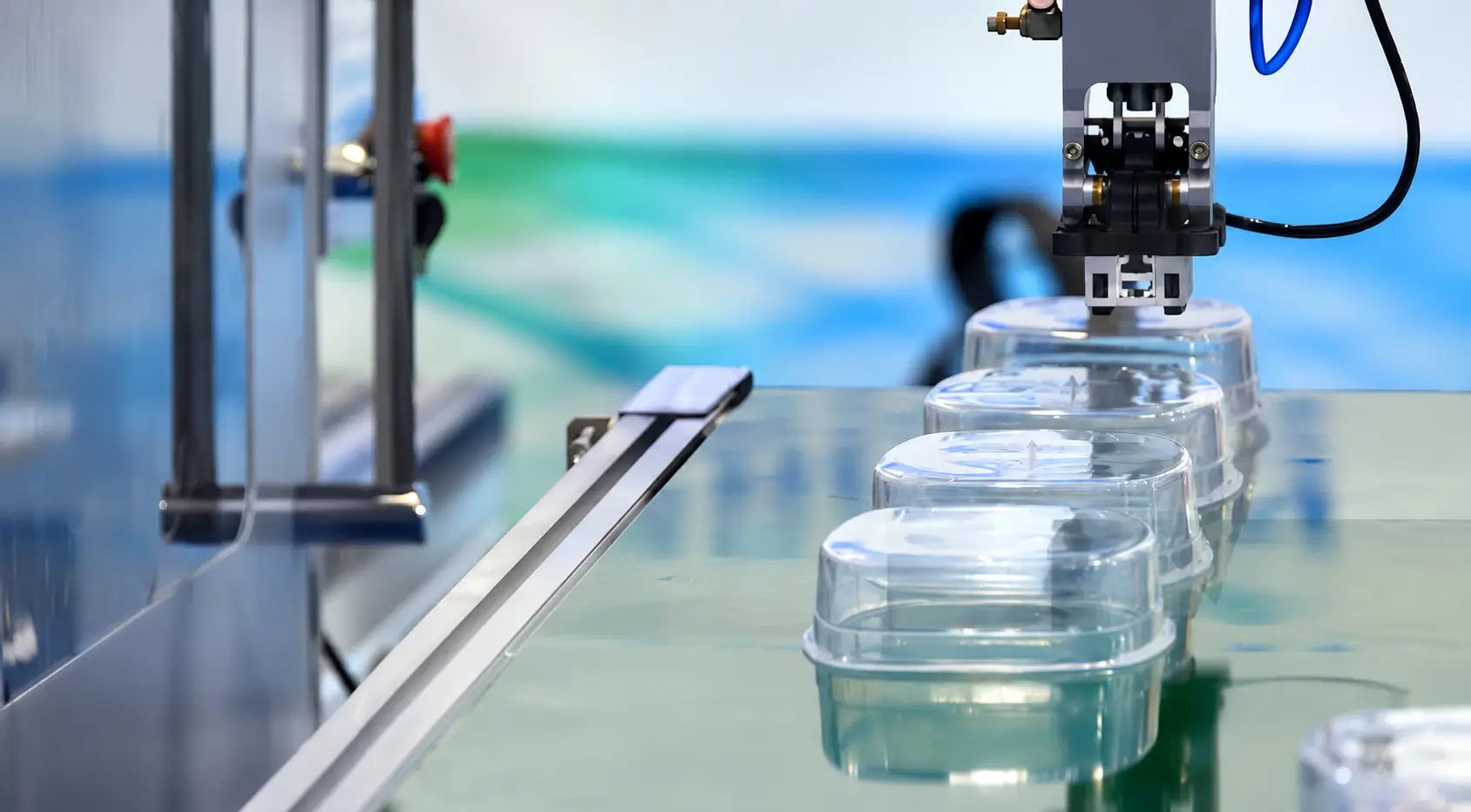
Materials Used in Plastic Injection Moulding
Material selection in plastic injection moulding depends on the product requirements, processing behaviour and production conditions. At Efficient Innovations we support material evaluation as part of product development and process optimisation, including work with recycled plastic materials.
- Conventional Plastic Materials: Material selection is evaluated alongside product design, processing requirements and intended performance.
- Post-Consumer Recycled (PCR) Plastic: PCR is supported for suitable rigid packaging applications, with attention to flow variation, brittleness, colour consistency, shrinkage and scrap.
- Mono-Material Solutions: Material uniformity can be considered for multi-component packaging where recyclability is a key objective.
- Material Behaviour & Processability: Material selection is assessed together with the processing window, tooling, cooling and moulding conditions to achieve stable production.
Efficient Innovations also brings polymer expertise and process troubleshooting into injection moulding projects, helping evaluate how material behaviour affects filling and overall product performance.
Factors That Affect Injection Moulding Quality
Consistent quality is key in injection moulding, and achieving it depends on how effectively the material, mould, machine and process parameters are controlled together.
- Temperature: Maintaining appropriate material and process temperature conditions is done to support consistent flow and mould filling.
- Pressure: Injection and holding pressure influence filling, packing and part consistency. Our Scientific Injection Moulding studies evaluate hold pressure and related process parameters.
- Cooling: Cooling time and cooling setup have a direct influence on cycle stability, dimensional consistency and overall part quality.
- Material: Material behaviour can affect flow, shrinkage, aesthetics and process stability. This becomes particularly important when using PCR, where variations in flow, brittleness and shrinkage may need additional process and tooling optimisation.
- Mould Design: Mould configuration, cooling, ejection and other tooling features influence mould functioning and component quality. Design and mould reviews help identify potential production issues early.
- Cycle Time: Cycle time needs to be optimised without compromising part quality or mould stability. Efficient Innovations supports cycle-time optimisation alongside process capability and mould performance.
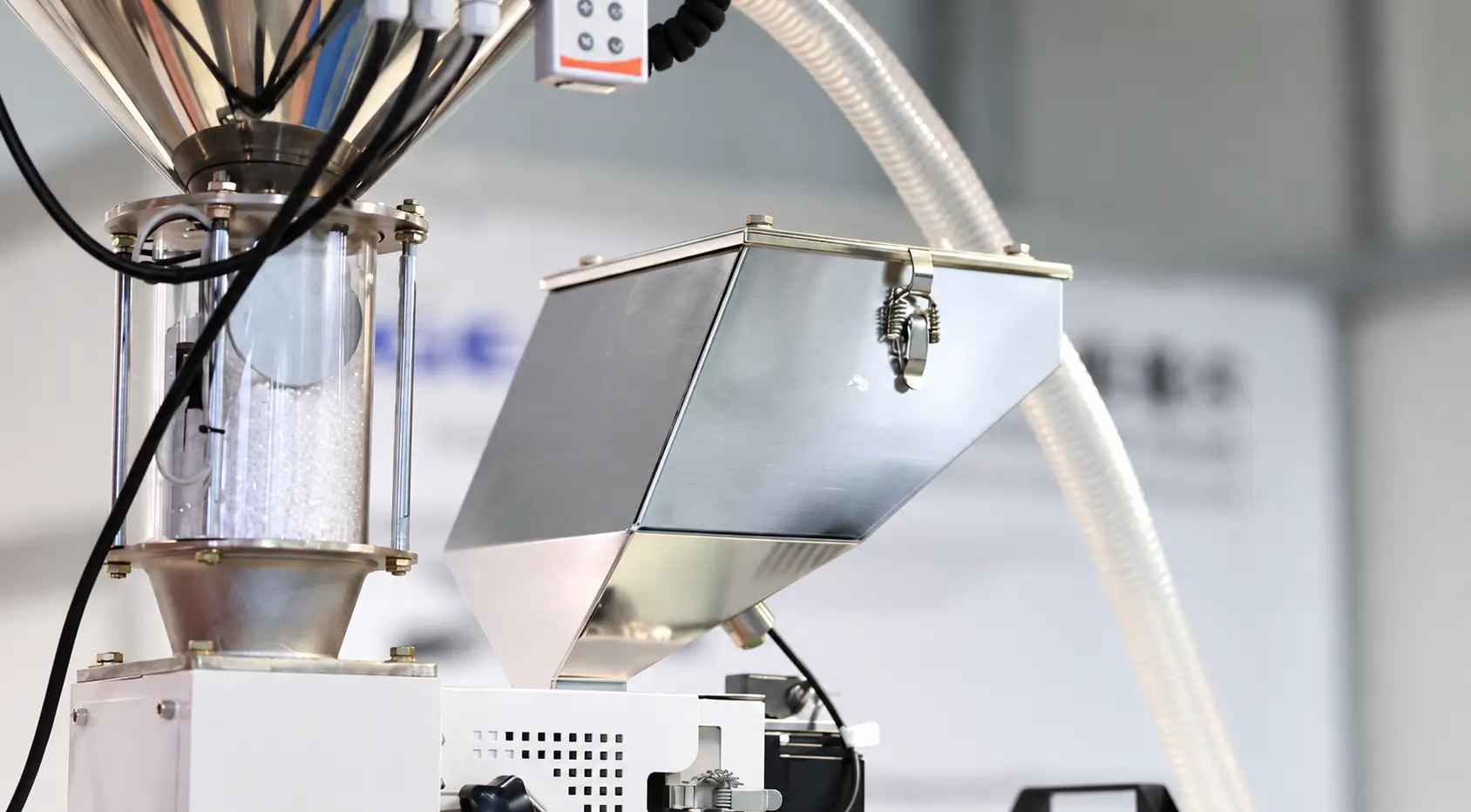
Applications of Plastic Injection Moulding
Plastic injection moulding supports a wide range of rigid plastic packaging and consumer product applications. Efficient Innovations has experience across:
Deodorant Packaging: Actuators, roll-ons, sprays and deo sticks.
Personal Care: Rigid plastic packaging for personal care products.
Baby Care: Packaging applications for baby care products.
Household Care: Rigid packaging for household care products.
Food & Water Packaging: Food and water packaging applications, including IC tubs and lids.
Oral Care: Toothbrush product development and related moulding applications.
Skin Care, Beauty & Nutraceuticals: Plastic packaging developed for these consumer product categories.
Can Tooling: Tooling development and qualification support for aerosol can applications.
Quality Control in Injection Moulding
Quality control in injection moulding involves monitoring the mould, process and finished component to ensure consistent production. Our approach includes:
Process Capability:
Monitoring parameters such as injection pressure, injection time, cushion and plastic refill time.
Dimensional Inspection:
Checking components against defined dimensional requirements using appropriate measuring equipment.
Aesthetic Inspection:
Assessing appearance and component aesthetics throughout moulding trials and production validation.
Functional Testing:
Evaluating relevant functional characteristics to confirm the component performs as intended.
Statistical Analysis:
Using tools such as capability analysis, MSA, Gauge R&R and other statistical methods to interpret quality data.
Mould Health Checks:
Reviewing mould condition, cooling, ejection, venting and recurring issues to identify risks that can affect part quality and production continuity.
Why Choose Efficient Innovations as a Plastic Injection Moulding Company?
Efficient Innovations combines injection moulding, process optimisation and mould management to support stable, production-ready outcomes.
- Scientific Injection Moulding: Process studies help establish reliable moulding conditions and process windows.
- Mould Qualification: Support from tool design review and trials through qualification and commissioning.
- Process Troubleshooting: Root-cause analysis and polymer expertise help address recurring moulding and production issues.
- Mould Lifecycle Support: Mould health reviews, refurbishment planning and replacement assessment help manage tooling performance over time.
- Data-Driven Quality: Dimensional, functional and aesthetic checks are supported by process capability and statistical analysis.
- Packaging Industry Experience: Experience across personal care, deodorant, food and water, household care, oral care, baby care, skin care, beauty and nutraceutical applications.
Clients We Work With
We collaborate with forward-thinking clients across industries.
Together, we turn ideas into measurable results.






FAQs
Start Your Plastic Injection Moulding Journey! Connect With Efficient Innovations!
Plastic injection moulding is a manufacturing process used to produce plastic components by injecting processed plastic material into a mould and controlling the process conditions required for consistent part quality. Key parameters include fill balance, holding pressure, cooling time, clamping force and process capability.
The process of injection moulding involves preparing the material and machine, installing the mould, injecting plastic into the cavities, cooling the component and ejecting the finished part. The moulded components are then assessed against defined dimensional, functional and aesthetic requirements during validation.
Injection moulding can be used with a range of plastic resins selected according to product requirements and processing conditions. This includes post-consumer recycled (PCR) plastic, with both mechanically and chemically recycled grades used in suitable rigid packaging applications.
Injection mould design involves defining the tool structure and component-forming elements while considering part requirements, machine compatibility, cooling, ejection, process conditions and production objectives. Efficient Innovations supports mould design review and technical solutions before and during tool development.
There is no single fixed lifespan for an injection mould. Mould life depends on factors such as mould condition, maintenance, production history, shot cycles, recurring issues and operating requirements. Mould lifecycle management can include condition reviews, refurbishment or replacement decisions and risk assessment.
Injection moulding cost depends on factors such as mould complexity, production requirements, tooling scope, qualification needs and the number of moulds involved. Additional costs can arise from tooling refurbishment, replacement, technical support and project-specific travel.