Old molds are often kept long after they have been used up, like obsolete machinery. As they consume precious space and result in unnecessary costs, their efficient decommissioning is becoming increasingly important. This is supposed to be corrected by a standard decommissioning process that ensures that every step is taken carefully and precisely.
However, the implementation of an effective decommissioning strategy can be difficult due to the planning and coordination that is required. Despite these challenges, responsible mold decommissioning is crucial for the molder and their business partners.
In our previous article “Part 4 – Is your Mold on the Right “Track”?”, we discussed tracking mold condition and strategies to implement it. In this article we cover the decommissioning of molds and round out our 5-part series on Mold Lifecycle Management (MLM).
Why it’s important to decommission molds
A mold, like any other piece of machinery, has an end of life to it. There are a number of reasons why it might become obsolete.
In all such cases the obsolete mold takes up space and incurs storage costs. Molds are often something that converters don’t have room for when they are not in use. So these molds should be decommissioned safely and responsibly at the earliest.
How To Know When Your Mold Is Ready For Decommissioning
The life of the die is expired: The die has been used extensively, and has undergone several maintenance and refurbishment activities. The elements of the mold are so worn out that they require replacement. If you replace all the worn out elements you would more or less replace all the mold elements.
Product re-launch or design change: A new product format has replaced the existing format produced from this mold. The molder has no volume demands from this mold.
Unused mold: The mold has been in storage for a long time.
Mold Decommissioning Methods
Various decommissioning methods can be selected depending on the category and the condition of the equipment.
Recycling or Cannibalizing
Collect useful elements of molds to be used in another mold. You can save usable elements of the cavity stack and use them in a copy mold of the same design.
A worn-out mold may not always be able to get a like-for-like replacement insert. The insert should be checked by the toolroom manager before putting it into the copy mold to ensure it is in good condition and usable.
Scraping
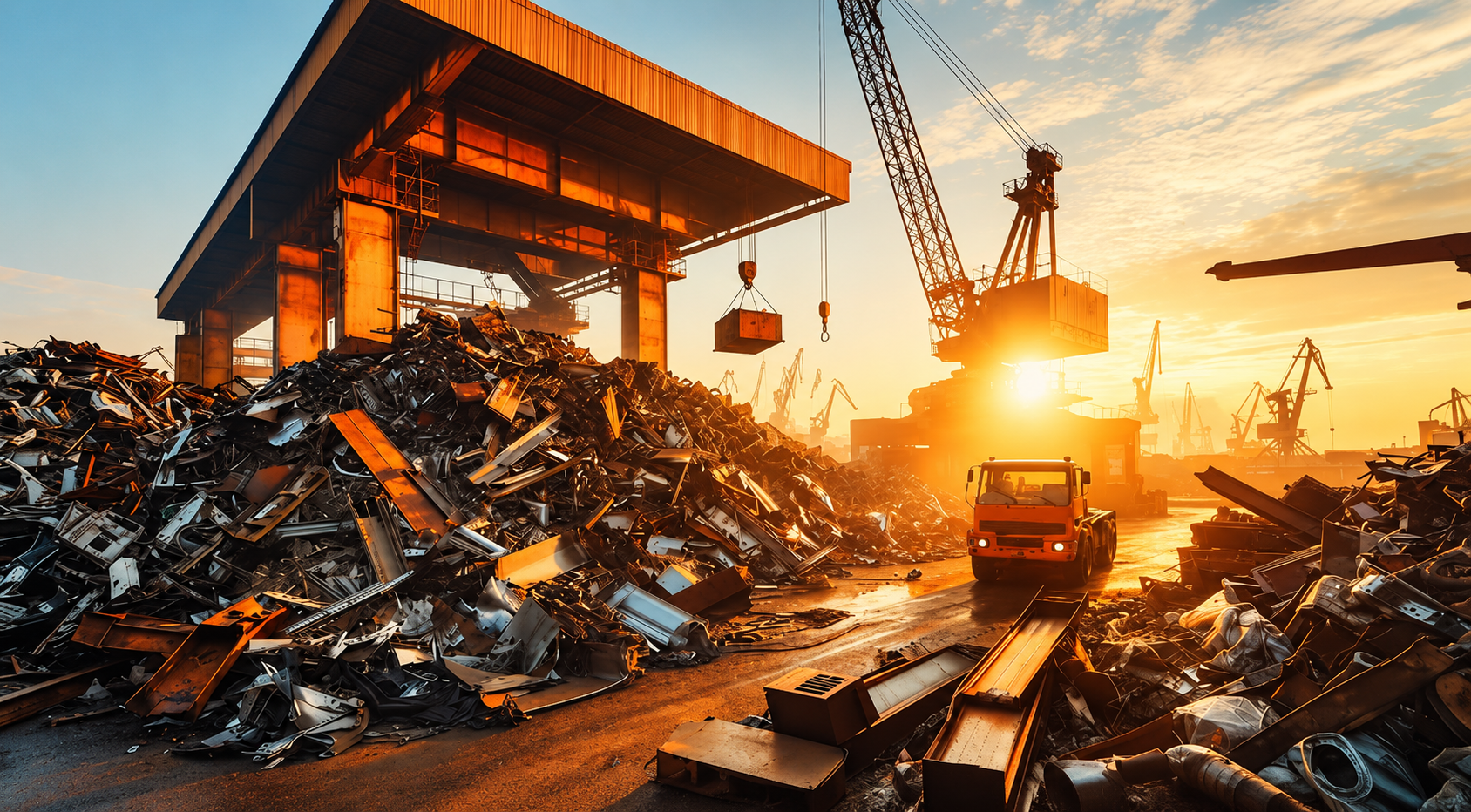
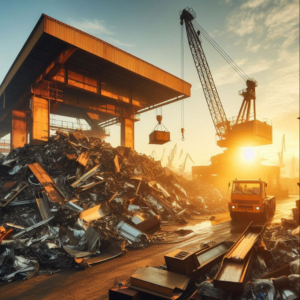
Scrapping is probably the easiest way to decommission the mold. The mold is sold to a junkyard agent and the converter or OEM can recover a bit of money from the metal they’ve thrown away. Depending on the volume of the mold steel to be scrapped, the amount recouped can be significant to carry out maintenance on other active molds.
Physical Destruction of Core and Cavity Inserts
If you have manufactured a mould to produce a proprietary plastic product for a client, the client often insists that the cores and cavities are damaged to an extent where they cannot be recovered at the end-of-life of the mould, thus maintaining the exclusivity of the client’s product design.
This mode of decommissioning requires you to generate a certificate of mould destruction and share it with your client. A third-party entity may also be involved to verify that the destruction has been done satisfactorily so that the mould cannot be used in whole or in part for its original purpose.
Step-by-Step Process for Decommissioning Moulds
The process for decommissioning the moulds should be as follows:
Confirm Remaining Mould Life
Check your quarterly/bi-annual mould tracking report to determine the current condition of the mould. You may refer to past tracking data from the time when the mould was last in production.
Connect with Stakeholders
Determine if the mould is ‘usable’ or ‘not usable’. If the mould is usable or if there are plans to use the mould again in the future, pack and store the mould at your storage facility or warehouse.
If the mould is not usable, connect with stakeholders and inform them about your plan to decommission the mould.
Plan Full Decommissioning
Create a network of the milestones – physical destruction of the core and cavities, collecting pictures, verification by a 3rd party auditor, generating a certificate of mould destruction, etc.
Physical Destruction
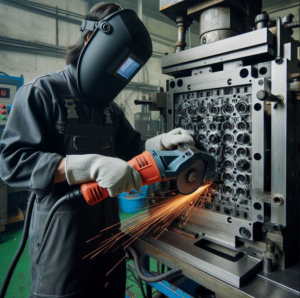
The physical destruction of the cavities can be done by: Welding torch & Angle grinder
Document and Photograph
Take a picture of the mold before it gets destroyed including the mold serial number. After destruction, take a picture of each mold destroyed with serial number showing.
Create & Share Certificate
Create a mold destruction certificate on your company letter head or that of the company destroying the mold.
Give your client a copy of the certificate of mold destruction for their file.
Case Study / Series Citation: Mold Lifecycle Management (MLM)
And that’s it, we’re done. We’ve come to the end of our 5-part Mold Lifecycle Management (MLM) series. We have covered planning and commissioning the mold, preventive and corrective maintenance strategies, monitoring the mould’s performance and finally decommissioning the mold in these five articles.
Here are the links to the articles:
Mold Lifecycle Management – Part 1
Mold Life Cycle Management (MLM): Part 3.1
Mold Life Cycle Management: Corrective Maintenance
Part 4 – Is Your Mold on the Right ‘Track’?
Conclusion: Decommissioning with Responsibility for Cost Effectiveness and Compliance
Old and out of date molds take up valuable space and quietly add to storage and operating costs. A documented, transparent and structured decommissioning process will assure cost efficiency, client requirements compliance and protection of proprietary designs.
Efficient Innovations has been supporting a diverse client base with all their mold lifecycle management needs for over a decade.
FAQs
- What is mold decommissioning in MLM (mold lifecycle management)?
Mold decommissioning is the safe and orderly retirement of a mold at the end of it’s useful life. It is a process that includes evaluation, communication with the parties involved, physical disposition and documentation for cost efficiency, regulatory compliance and protection of intellectual property.
- Molds are at the end of their life, so why do we need to retire them?
At the end of life molds can become inefficient, outmoded or uneconomical to keep running. Decommissioning eliminates the cost of unnecessary storage, creates room for valuable assets, and prevents obsolescent or unusable tooling from creating operational or compliance risks.
- When is it best to scrap a mold instead of refurbishing or repairing it?
If the costs of the refurbishment are close to the costs of a full replacement, critical components are heavily worn or there is no future demand for production due to a product redesign or discontinuation, the mold should be decommissioned.
- Here are some reasons why a mold can become obsolete.
The usual reasons are that the life of the mold has expired, the mold has been used for too long and worn out due to many maintenance cycles, the product is being re-launched or has design changes, or the mold has been sitting in storage for a long time with no plans to produce anything in the future.
- What is the decommissioning of mold techniques?
Decommissioning may involve recycling or cannibalization of usable parts . The mold may be scrapped to recover the metal . Cores and cavities may be physically destroyed to prevent reuse , especially for proprietary products .
- Physical destruction of cores and cavities to protect product IP.
Proprietary designs are not reproducible. End of life cores and cavities are physically destroyed. This protects the client’s intellectual property and prevents proprietary product formats being produced without authorization.
- What paperwork do you need to take a mold out of commission?
The documentation usually includes records of mold tracking, correspondence with interested parties, photographic evidence of before and after destruction, and a formal certificate of destruction of the mold, sometimes verified by a third-party auditor.
- How to Involve Stakeholders Before Mold Decommissioning?
If the mold is usable, reusable or is permanently obsolete, the stakeholders need to be informed and consulted. The key is approval and alignment, especially in client owned/proprietary tooling.
- Can parts of a decommissioned mold be recycled or reused?
Yes with condition assessment, usable parts can be cannibalized for other molds, inserts or cavity stack parts. The steel left over can be recycled as scrap to recover some of the cost .
- Proper decommissioning of mold can help reduce storage and operational costs.
Removing redundant molds from storage also saves space, reduces warehousing costs and eliminates unnecessary tracking and maintenance. Also, scrap recovery can be used to offset maintenance costs for active molds.